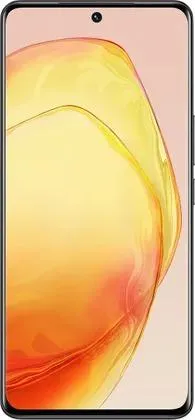

1. Specifications Comparison
| Feature | vivo V29 | Xiaomi 14T Pro | Practical Impact |
|---|---|---|---|
| Design | |||
| Dimensions | 164.2 x 74.4 x 7.5 mm | 160.4 x 75.1 x 8.4 mm | The Xiaomi 14T Pro is slightly shorter and wider, but noticeably thicker. The vivo V29 is thinner and potentially more pocketable. |
| Weight | 186g | 209g | The vivo V29 is significantly lighter, making it more comfortable for extended use. |
| Display | |||
| Size | 6.78" | 6.67" | Negligible difference in screen real estate. |
| Type | AMOLED, 1B colors, 120Hz, HDR10+ | AMOLED, 68B colors, 144Hz, Dolby Vision, HDR10+, 4000 nits (peak) | The Xiaomi 14T Pro boasts a higher refresh rate for smoother animations and scrolling, significantly higher peak brightness for better outdoor visibility, and support for Dolby Vision for enhanced HDR content. While both offer 1 billion colors, the 68 billion color claim by Xiaomi needs further verification regarding practical benefits. |
| Resolution | 1260 x 2800 | 1220 x 2712 | Both offer sharp displays; differences in resolution are negligible in real-world use. |
| Performance | |||
| Chipset | Snapdragon 778G 5G (6 nm) | Dimensity 9300+ (4 nm) | The Dimensity 9300+ in the Xiaomi offers significantly improved CPU and GPU performance due to its more advanced architecture and manufacturing process. This translates to faster app loading, smoother multitasking, and better gaming performance. |
| CPU | Octa-core (1x2.4 GHz Cortex-A78 & 3x2.2 GHz Cortex-A78 & 4x1.9 GHz Cortex-A55) | Octa-core (1x3.4 GHz Cortex-X4 & 3x2.85 GHz Cortex-X4 & 4x2.0 GHz Cortex-A720) | The Xiaomi 14T Pro has a more powerful CPU architecture, leading to noticeable performance gains. |
| GPU | Adreno 642L | Immortalis-G720 MC12 | The Immortalis-G720 provides a substantial boost in graphics performance compared to the Adreno 642L, benefiting gaming and graphically demanding tasks. |
| RAM/Storage | 8GB/256GB | 12GB/512GB | The Xiaomi 14T Pro offers more RAM for smoother multitasking and double the storage capacity. |
| Camera | |||
| Video Capabilities | 4K@30fps, 1080p@30fps | 8K@30fps, 4K@60fps, 1080p@960fps | The Xiaomi 14T Pro offers significantly more advanced video recording capabilities, including 8K resolution, higher frame rates, and slow-motion recording. The provided specifications lack detail about photo capabilities for both phones. |
| Battery | |||
| Capacity | 4600 mAh | 5000 mAh | The Xiaomi 14T Pro has a larger battery, potentially leading to longer battery life. |
2. Key Differences Analysis
Xiaomi 14T Pro Advantages:
- Significantly superior performance: The Dimensity 9300+ offers a substantial leap in processing power compared to the Snapdragon 778G.
- Advanced display: Higher refresh rate, significantly brighter screen, and Dolby Vision support.
- Larger battery: Potentially longer battery life.
- More RAM and storage: Improved multitasking and ample storage space.
- Superior video recording: 8K recording, higher frame rates, and slow-motion capabilities.
vivo V29 Advantages:
- Lighter and thinner: More comfortable for one-handed use and portability.
3. User Profiles & Recommendations
Xiaomi 14T Pro: Ideal for power users, gamers, and content creators who demand top-tier performance, a vibrant display, and advanced camera features.
vivo V29: Suitable for users prioritizing a lightweight and slim design, comfortable for extended use. Good for everyday tasks, but not ideal for demanding applications or heavy gaming.
4. Decision Framework
Key Questions for Buyers:
- Performance Priority: Is top-tier processing power and gaming performance crucial?
- Display Quality: How important is outdoor visibility and a high refresh rate screen?
- Design Preference: Do you prefer a lightweight and slim phone over slightly larger battery capacity?
Scenario-Based Recommendations:
- Heavy gamer/power user: Xiaomi 14T Pro
- Casual user prioritizing portability and comfort: vivo V29
My Choice: Xiaomi 14T Pro
While the vivo V29 offers a more comfortable form factor, the Xiaomi 14T Pro's significant advantages in performance, display, and camera capabilities outweigh the weight difference for me. The superior processor, brighter and smoother display, along with the enhanced video recording features make the Xiaomi 14T Pro a more future-proof and versatile device. The larger battery is also a significant plus. The extra weight is a trade-off I'm willing to make for the significant performance gains and feature set of the Xiaomi 14T Pro.
