1. Specifications Comparison
| Feature | vivo V29 | Xiaomi 14 Ultra | Practical Impact |
|---|---|---|---|
| Design | |||
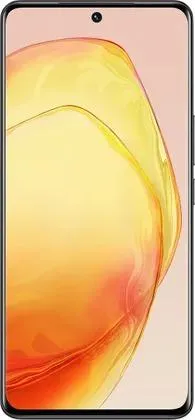
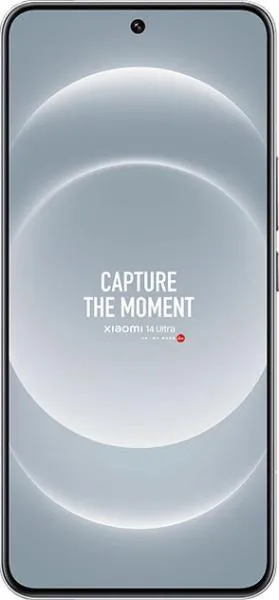
| Dimensions | 164.2 x 74.4 x 7.5 mm | 161.4 x 75.3 x 9.2 mm | The Xiaomi 14 Ultra is slightly shorter and wider, but noticeably thicker. The vivo V29 is thinner and lighter, potentially feeling more comfortable in hand for extended use. |
| Weight | 186g | 229.5g | Significant weight difference. The vivo V29 is much lighter, reducing hand fatigue during prolonged use. The Xiaomi 14 Ultra's weight might be attributed to a larger battery and more robust build. |
| Display | |||
| Size | 6.78" | 6.73" | Negligible size difference in real-world usage. |
| Type | AMOLED, 1B colors, 120Hz, HDR10+ | LTPO AMOLED, 68B colors, 120Hz, Dolby Vision, HDR10+, 3000 nits (peak) | Both offer smooth scrolling with 120Hz. Xiaomi's LTPO panel allows for variable refresh rate, potentially saving battery. Xiaomi supports Dolby Vision and significantly higher peak brightness, ensuring better visibility outdoors and HDR performance. The difference in color depth (1B vs 68B) is unlikely to be perceptible in most real-world scenarios. |
| Resolution | 1260 x 2800 | 1440 x 3200 | The Xiaomi 14 Ultra boasts a sharper display with higher pixel density (522 ppi vs 453 ppi), resulting in crisper text and images. |
| Performance | |||
| Chipset | Snapdragon 778G 5G (6 nm) | Snapdragon 8 Gen 3 (4 nm) | The Snapdragon 8 Gen 3 in the Xiaomi is significantly more powerful, offering smoother performance in demanding tasks like gaming and multitasking. The 778G in the vivo is still capable for everyday use, but less future-proof. |
| CPU | Octa-core (1x2.4 GHz Cortex-A78 & 3x2.2 GHz Cortex-A78 & 4x1.9 GHz Cortex-A55) | Octa-core (1x3.3 GHz Cortex-X4 & 3x3.2 GHz Cortex-A720 & 2x3.0 GHz Cortex-A720 & 2x2.3 GHz Cortex-A520) | The Xiaomi 14 Ultra's CPU boasts higher clock speeds and a more powerful core architecture, translating to significantly faster processing. |
| RAM | 8GB | 16GB | Double the RAM on the Xiaomi allows for more apps to run in the background without reloading, improving multitasking performance. |
| Storage | 256GB | 512GB | The Xiaomi offers double the storage, catering to users who store large files like photos and videos. |
| Battery | |||
| Capacity | 4600 mAh | 5000 mAh | Larger battery in the Xiaomi should provide longer usage time on a single charge. |
2. Key Differences Analysis
Xiaomi 14 Ultra Advantages:
- Significantly more powerful: Snapdragon 8 Gen 3, more RAM, and larger storage provide a substantial performance advantage for demanding tasks and future-proofing.
- Superior Display: Brighter, sharper, and with Dolby Vision support for a better visual experience.
- Larger Battery: Potentially longer battery life.
- Advanced Video Capabilities: Supports 8K recording and higher frame rates.
vivo V29 Advantages:
- Lighter and Thinner: More comfortable for one-handed use and extended holding.
- Potentially Lower Price: Given the specifications, the vivo V29 is likely more affordable.
3. User Profiles & Recommendations
Xiaomi 14 Ultra: Ideal for power users, gamers, content creators, and those who prioritize performance, display quality, and the latest technology. Excellent for demanding tasks, media consumption, and capturing high-quality videos.
vivo V29: Suitable for users who prioritize a lightweight and comfortable phone for everyday use, including social media, browsing, and casual photography. Good for users seeking a balance between performance and portability.
4. Decision Framework
Key Questions for Buyers:
- What is your budget? The Xiaomi 14 Ultra is likely more expensive.
- What are your primary use cases? Gaming, content creation, or everyday tasks?
- Do you prioritize performance or portability? The Xiaomi is powerful but heavier; the vivo is lighter but less powerful.
My Choice: Xiaomi 14 Ultra
While the vivo V29 offers a compelling lightweight design, the Xiaomi 14 Ultra's superior performance, stunning display, and larger battery are decisive factors for me. The Snapdragon 8 Gen 3 provides significant future-proofing, ensuring a smooth user experience for years to come. The brighter, sharper display with Dolby Vision enhances media consumption significantly. The extra weight is a trade-off I'm willing to make for the substantial performance and feature upgrades. I prioritize a device that can handle demanding tasks and provide a high-quality visual experience, making the Xiaomi 14 Ultra the better choice for my needs.
