1. Specifications Comparison
| Feature | vivo V29 | Xiaomi 13T | Practical Impact |
|---|---|---|---|
| Design | |||
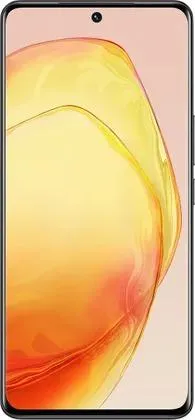
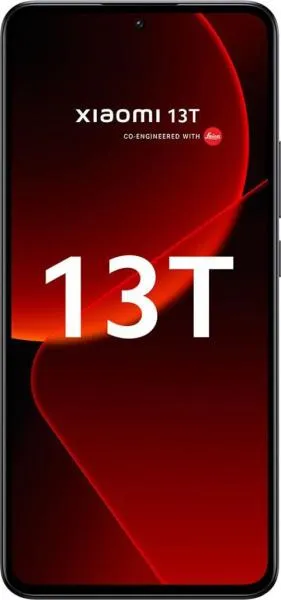
| Dimensions | 164.2 x 74.4 x 7.5 mm | 162.2 x 75.7 x 8.5 mm | Xiaomi 13T is slightly shorter and wider, but noticeably thicker. V29 likely feels slimmer in hand. |
| Weight | 186g | 213g | Xiaomi 13T is significantly heavier, potentially leading to fatigue during extended use. |
| Display | |||
| Size | 6.78" | 6.67" | Negligible difference in screen real estate. |
| Type | AMOLED, 1B colors, 120Hz, HDR10+ | AMOLED, 68B colors, 144Hz, Dolby Vision, HDR10+, 2600 nits (peak) | Xiaomi 13T boasts a higher refresh rate for smoother animations and scrolling, significantly higher peak brightness for better outdoor visibility, and Dolby Vision support for enhanced HDR content. While both offer a billion colors, the specification "68B colors" for the Xiaomi 13T is likely a typo and should probably be 1B as well. |
| Resolution | 1260 x 2800 | 1220 x 2712 | Similar pixel density, resulting in comparable sharpness. |
| Performance | |||
| Chipset | Snapdragon 778G 5G (6 nm) | Dimensity 8200 Ultra (4 nm) | Xiaomi 13T's Dimensity 8200 Ultra is generally considered more powerful, offering better performance in demanding tasks and gaming. The 4nm process suggests better power efficiency compared to the 6nm Snapdragon 778G. |
| CPU | Octa-core (1x2.4 GHz Cortex-A78 & 3x2.2 GHz Cortex-A78 & 4x1.9 GHz Cortex-A55) | Octa-core (1x3.1 GHz Cortex-A78 & 3x3.0 GHz Cortex-A78 & 4x2.0 GHz Cortex-A55) | The Dimensity 8200 Ultra has higher clock speeds, indicating faster processing capabilities. |
| RAM | 8GB | 12GB | Xiaomi 13T offers more RAM, enabling better multitasking and smoother performance with multiple apps open. |
| Storage | 256GB | 256GB | Identical storage capacity. |
| Camera | |||
| Video | 4K@30fps, 1080p@30fps | 4K@30fps (HDR, EIS), 1080p@30/60/120fps (HDR, EIS) | Xiaomi 13T offers more versatile video recording options with varying frame rates and resolutions, including 120fps slow-motion. The inclusion of HDR and EIS (Electronic Image Stabilization) suggests superior video quality. Detailed camera sensor specifications are missing, limiting a comprehensive comparison. |
| Battery | |||
| Capacity | 4600 mAh | 5000 mAh | Xiaomi 13T has a larger battery, likely translating to longer battery life. |
2. Key Differences Analysis
Xiaomi 13T Advantages:
- Superior Performance: The Dimensity 8200 Ultra and larger RAM provide a noticeable performance advantage for demanding tasks and gaming.
- Brighter, Smoother Display: The 144Hz refresh rate and significantly higher peak brightness offer a more responsive and visually appealing experience. Dolby Vision support enhances HDR content.
- Longer Battery Life: The larger 5000mAh battery should provide longer usage time between charges.
- More Versatile Video Recording: Offers a wider range of frame rates and resolutions, along with HDR and EIS.
vivo V29 Advantages:
- Lighter and Slimmer Design: More comfortable for one-handed use and extended periods.
3. User Profiles & Recommendations
vivo V29: Users prioritizing a lightweight and slim phone for everyday tasks, social media, and casual content consumption.
Xiaomi 13T: Users who value performance, a smooth and bright display, long battery life, and versatile video recording capabilities. Suitable for mobile gamers, power users, and content creators.
4. Decision Framework
Key Questions:
- What is your budget? Both are mid-range, but slight price differences might exist.
- What are your primary smartphone usage patterns? (Gaming, content consumption, productivity, photography/videography)
- Do you prioritize a lightweight and slim design or performance and battery life?
My Choice: Xiaomi 13T
While the vivo V29 offers a more appealing design in terms of weight and thinness, the Xiaomi 13T's superior performance, brighter and smoother display, longer battery life, and more versatile video recording capabilities make it the better overall choice for me. The performance difference between the Snapdragon 778G and the Dimensity 8200 Ultra, coupled with the extra RAM, would provide a more future-proof and enjoyable user experience. The significantly brighter display of the 13T is also a major factor, especially for outdoor use. I'm willing to compromise on the slightly heavier and thicker build for these substantial benefits.
