
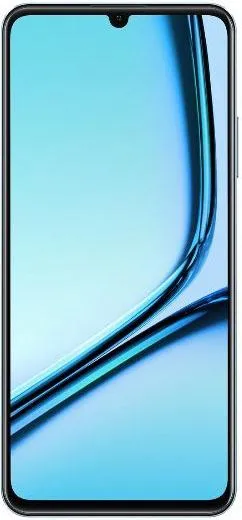
1. Specifications Comparison
| Feature | vivo V29 | Realme Note 50 | Practical Impact |
|---|---|---|---|
| Design | |||
| Dimensions (mm) | 164.2 x 74.4 x 7.5 | 167.2 x 76.7 x 8 | The vivo V29 is slightly smaller and thinner, making it potentially more pocketable. |
| Weight (g) | 186 | 186 | Both phones weigh the same. |
| Fingerprint Sensor | Under-display | Side-mounted | Preference-based, though under-display is often perceived as more modern. |
| Display | |||
| Display Type | AMOLED, 1B colors, 120Hz, HDR10+ | IPS LCD, 90Hz | The vivo V29's AMOLED display offers significantly better contrast, color accuracy, and HDR support, resulting in a more vibrant and immersive viewing experience. |
| Resolution | 1260 x 2800 | 720 x 1600 | The vivo V29 has a much sharper display with significantly higher pixel density (453 ppi vs 260 ppi), resulting in crisper text and images. |
| Refresh Rate | 120Hz | 90Hz | The vivo V29's 120Hz refresh rate provides smoother scrolling and animations compared to the 90Hz on the Realme Note 50. |
| Peak Brightness (nits) | Not specified | 560 | The Realme Note 50's specified peak brightness suggests better outdoor visibility. However, without a value for the vivo V29, a definitive comparison cannot be made. |
| Performance | |||
| Chipset | Snapdragon 778G 5G (6 nm) | Unisoc Tiger T612 (12 nm) | The Snapdragon 778G in the vivo V29 is a significantly more powerful processor, enabling smoother multitasking, faster app loading, and better gaming performance. |
| CPU | Octa-core (1x2.4 GHz Cortex-A78 & 3x2.2 GHz Cortex-A78 & 4x1.9 GHz Cortex-A55) | Octa-core (2x1.8 GHz Cortex-A75 & 6x1.8 GHz Cortex-A55) | The vivo V29's CPU architecture and higher clock speeds offer a noticeable performance advantage. |
| GPU | Adreno 642L | Mali-G57 | The Adreno 642L in the vivo V29 provides superior graphics performance compared to the Mali-G57, especially noticeable in demanding games. |
| RAM | 8GB | 4GB | The vivo V29's 8GB RAM enables better multitasking and reduces app closures in the background compared to the 4GB RAM in the Realme Note 50. |
| Storage | 256GB | 128GB | The vivo V29 offers double the storage capacity. |
| Battery | |||
| Capacity (mAh) | 4600 | 5000 | While the Realme Note 50 has a larger battery capacity, real-world battery life depends on various factors including display, processor efficiency, and software optimization. |
| Other | |||
| NFC | Yes | No | The vivo V29 supports NFC for contactless payments and other functionalities. |
| Price Range | Medium | Low | The vivo V29 is expected to be more expensive. |
2. Key Differences Analysis
vivo V29 Advantages:
- Superior Display: AMOLED with higher resolution, refresh rate, and HDR10+ support offers a drastically better visual experience.
- Significantly Better Performance: The Snapdragon 778G chipset and 8GB RAM provide a smoother and faster user experience.
- NFC Support: Enables contactless payments and other convenient features.
Realme Note 50 Advantages:
- Larger Battery Capacity: Potentially longer battery life, but real-world usage will vary.
- Lower Price: More budget-friendly option.
3. User Profiles & Recommendations
vivo V29: Users who prioritize display quality, performance, and features like NFC. Suitable for gaming, media consumption, and demanding tasks.
Realme Note 50: Budget-conscious users who prioritize basic functionality and potentially longer battery life. Suitable for light usage, such as calling, texting, and browsing.
4. Decision Framework
Key Questions for Buyers:
- What is your budget? The Realme Note 50 is a more affordable option.
- What are your primary use cases? For demanding tasks and media consumption, the vivo V29 is significantly better. For basic usage, the Realme Note 50 might suffice.
- How important is display quality? The vivo V29's AMOLED display is a major advantage.
My Choice: vivo V29
While the Realme Note 50 offers a larger battery and lower price, the vivo V29's significantly superior display, performance, and inclusion of NFC make it the clear winner for me. The difference in user experience offered by the AMOLED display and the powerful Snapdragon chipset would be substantial in day-to-day use. I prioritize a smooth and responsive phone for tasks like multitasking and media consumption, and I find NFC essential for contactless payments. While the price difference exists, the value proposition of the vivo V29, in my opinion, justifies the higher cost. The Realme Note 50's larger battery is tempting, but I would rather have a more enjoyable and efficient user experience than potentially slightly longer battery life.
