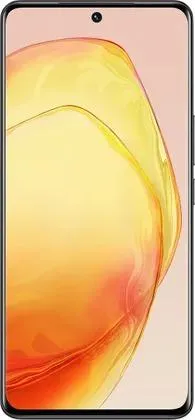
1. Specifications Comparison
| Feature | vivo V29 | Phone 8 | Practical Impact |
|---|---|---|---|
| Design | |||
| Dimensions | 164.2 x 74.4 x 7.5 mm | 162 x 75.1 x 8.7 mm | Phone 8 is slightly shorter and wider, but noticeably thicker. V29 might feel more comfortable in hand due to thinner profile. |
| Weight | 186g | 191g | V29 is slightly lighter, potentially reducing hand fatigue during extended use. |
| Display | |||
| Size | 6.78" | 6.78" | Identical screen sizes. |
| Type | AMOLED, 1B colors, 120Hz, HDR10+ | LTPO AMOLED, 1B colors, 120Hz, HDR | Both offer high-quality displays with vibrant colors and smooth scrolling. LTPO on Phone 8 allows for dynamic refresh rate adjustment, potentially saving battery. |
| Resolution | 1260x2800 | 1264x2780 | Virtually identical resolutions, resulting in similar sharpness. |
| Peak Brightness | Not specified | 6000 nits | Phone 8's significantly higher peak brightness ensures excellent outdoor visibility, even in direct sunlight. Missing V29 data prevents full comparison. |
| Performance | |||
| Chipset | Snapdragon 778G 5G (6 nm) | Snapdragon 7+ Gen 3 (4 nm) | Phone 8 boasts a significantly more powerful and efficient chipset, leading to smoother performance in demanding tasks and games. |
| CPU | Octa-core (1x2.4 GHz Cortex-A78 & 3x2.2 GHz Cortex-A78 & 4x1.9 GHz Cortex-A55) | Octa-core (1x2.8 GHz Cortex-X4 & 4x2.6 GHz Cortex-A720 & 3x1.9 GHz Cortex-A520) | Phone 8's CPU architecture offers superior performance, particularly in single-core tasks. |
| GPU | Adreno 642L | Adreno 732 | Phone 8's GPU provides a noticeable improvement in graphics performance for gaming and other visually intensive applications. |
| RAM/Storage | 8GB/256GB | 12GB/512GB | Phone 8 offers significantly more RAM and storage, enabling smoother multitasking and ample space for apps and files. |
| Battery | |||
| Capacity | 4600 mAh | 5500 mAh | Phone 8 has a much larger battery capacity, potentially translating to significantly longer battery life. |
| Camera | |||
| Video | 4K@30fps, 1080p@30fps | 4K@30/60fps (OIS, EIS), 1080p@30/60/120fps (OIS, EIS) | Phone 8 provides significantly more versatile video recording options with higher resolutions, frame rates, and stabilization (OIS/EIS). Missing details on V29's stabilization capabilities prevent full comparison. |
2. Key Differences Analysis
Phone 8 Advantages:
- Significantly improved performance: The Snapdragon 7+ Gen 3 offers a substantial leap in processing power and efficiency.
- Larger battery: Provides longer usage time.
- More RAM and Storage: Enables smoother multitasking and ample storage space.
- Superior Video Recording: Offers more versatile options with higher resolutions, frame rates, and stabilization.
- Brighter Display: Ensures excellent outdoor visibility.
vivo V29 Advantages:
- Potentially slimmer and lighter design: May be more comfortable for one-handed use.
Trade-offs:
- V29's lower price (assumed due to older release date and specs) might be a trade-off for significantly lower performance and features compared to Phone 8.
3. User Profiles & Recommendations
vivo V29: Users on a tighter budget who prioritize a slim and lightweight design for basic tasks like calling, browsing, and social media.
Phone 8: Users who demand high performance for gaming, demanding applications, and multimedia consumption, and value a long-lasting battery and superior camera capabilities.
4. Decision Framework
Key Questions:
- What is your budget?
- What are your primary smartphone usage patterns? (e.g., gaming, photography, social media)
- How important is battery life and performance to you?
Scenario-Based Recommendations:
- Heavy gamer: Phone 8 is the clear choice due to its superior performance and larger battery.
- Casual user on a budget: The vivo V29 might be suitable if the price difference is significant.
- Power user who needs long battery life and excellent camera: Phone 8 is the recommended option.
My Choice: Phone 8
The Phone 8 is significantly more powerful, offers a larger battery, more RAM and storage, superior video recording capabilities, and a brighter display. While potentially slightly thicker and heavier, the gains in performance, battery life, and features outweigh the minor design differences for me. The Snapdragon 7+ Gen 3 is a considerable upgrade over the 778G, making the Phone 8 a much more future-proof device. Even without knowing the price difference, the substantial improvements across the board make the Phone 8 the more compelling choice for a wider range of users.
