
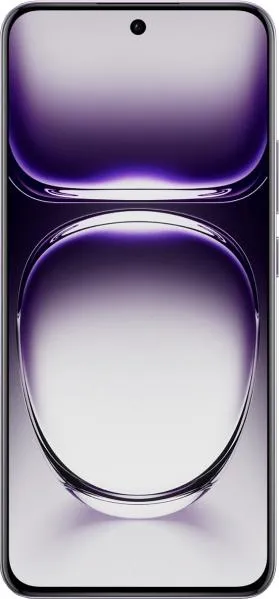
1. Specifications Comparison
| Feature | vivo V29 | Oppo Reno12 Pro | Practical Impact |
|---|---|---|---|
| Design | |||
| Dimensions | 164.2 x 74.4 x 7.5 mm | 161.5 x 74.8 x 7.4 mm | Reno12 Pro is slightly shorter, marginally wider, and negligibly thinner. Real-world difference in hand feel would be minimal. |
| Weight | 186g | 180g | Reno12 Pro is slightly lighter, but the difference (6g) is unlikely to be noticeable in daily use. |
| Display | |||
| Size | 6.78" | 6.7" | Negligible difference in screen real estate. |
| Type | AMOLED, 1B colors, 120Hz, HDR10+ | AMOLED, 1B colors, 120Hz, HDR10+ | Both offer vibrant colors, smooth scrolling, and HDR support. |
| Resolution | 1260 x 2800 | 1080 x 2412 | V29 has a sharper display (453 ppi vs 394 ppi), resulting in clearer text and images. Reno12 Pro's resolution is still acceptable for most users. |
| Peak Brightness | Not specified | 1200 nits | Reno12 Pro's superior peak brightness ensures better visibility in direct sunlight. Lack of data for the V29 prevents full comparison. |
| Performance | |||
| Chipset | Snapdragon 778G 5G (6nm) | Dimensity 7300 Energy (4nm) | Both offer good mid-range performance. Dimensity 7300, built on a smaller node, may offer slightly better power efficiency. |
| CPU | Octa-core (1x2.4 GHz Cortex-A78 & 3x2.2 GHz Cortex-A78 & 4x1.9 GHz Cortex-A55) | Octa-core (4x2.5 GHz Cortex-A78 & 4x2.0 GHz Cortex-A55) | Both offer similar CPU configurations, performance differences would likely be minor in real-world usage scenarios. |
| GPU | Adreno 642L | Mali-G615 MC2 | Performance differences would depend on specific tasks and game optimization. |
| RAM/Storage | 256GB/8GB | 512GB/12GB | Reno12 Pro offers significantly more storage and RAM, allowing for smoother multitasking and more app installations. |
| Camera | |||
| Video Capabilities | 4K@30fps, 1080p@30fps | 4K@30fps (HDR, OIS, EIS) and various other modes up to 720p@960fps | Reno12 Pro offers far more versatile video recording options, including higher frame rates, slow-motion, and stabilization. |
| Battery | |||
| Capacity | 4600 mAh | 5000 mAh | Reno12 Pro has a larger battery, likely resulting in longer battery life. |
| Software | |||
| OS | Android 13 | Android 14 | Reno12 Pro ships with a newer Android version, potentially offering more features and longer software support. |
2. Key Differences Analysis
vivo V29 Advantages:
- Sharper Display: Higher resolution leads to a noticeably clearer and more detailed viewing experience.
Oppo Reno12 Pro Advantages:
- Brighter Display: Better visibility outdoors.
- Larger Battery: Potentially longer battery life.
- More RAM and Storage: Smoother multitasking and ample space for apps and files.
- More Versatile Video Recording: Wider range of recording options for various needs.
- Newer OS: More features and potentially longer software updates.
3. User Profiles & Recommendations
vivo V29: Users prioritizing display sharpness and who consume a lot of media.
Oppo Reno12 Pro: Users who value battery life, performance, versatile camera features, and the latest software. Suitable for power users, content creators, and those who prioritize future-proofing.
4. Decision Framework
Key Questions for Buyers:
- How important is display sharpness versus brightness?
- What is your budget and how much storage do you need?
- Is having the latest Android version and longer software support a priority?
Scenario-Based Recommendations:
- Heavy media consumer on a budget: vivo V29
- Power user or content creator: Oppo Reno12 Pro
My Choice: Oppo Reno12 Pro
While the vivo V29 offers a sharper display, the Oppo Reno12 Pro provides a more well-rounded package. The combination of a larger battery, more RAM and storage, significantly more versatile video recording capabilities, a brighter display for outdoor use, and a newer Android OS makes the Reno12 Pro a more compelling device for my needs. The benefits in performance, battery life, and future-proofing outweigh the slightly lower screen resolution. The superior video recording capabilities of the Reno12 Pro are also a significant factor, suggesting a more capable overall camera system.
