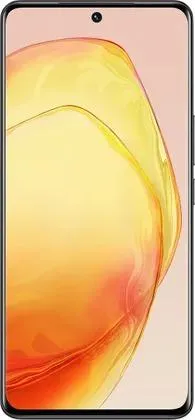

1. Specifications Comparison
| Feature | vivo V29 | Oppo Reno11 | Practical Impact |
|---|---|---|---|
| Design | |||
| Dimensions | 164.2 x 74.4 x 7.5 mm | 162.4 x 74.3 x 7.9 mm | Reno11 is slightly shorter, marginally narrower, but thicker. Negligible difference in hand feel. |
| Weight | 186g | 182g | Virtually identical weight; insignificant difference in real-world usage. |
| Build | Not specified | Not specified | Build materials impact durability and premium feel. This information is missing. |
| Display | |||
| Size | 6.78" | 6.7" | V29 has a slightly larger display, offering a marginally more immersive experience. |
| Type | AMOLED, 1B colors, 120Hz, HDR10+ | AMOLED, 1B colors, 120Hz, HDR10+ | Both offer vibrant colors, smooth scrolling, and HDR support for rich media consumption. |
| Resolution | 1260 x 2800 | 1080 x 2412 | V29 has a significantly sharper display (453 ppi vs 394 ppi), resulting in crisper text and images. |
| Peak Brightness | Not specified | 950 nits | Reno11's higher peak brightness ensures better visibility in direct sunlight. V29's unspecified brightness limits our comparison. |
| Performance | |||
| Chipset | Snapdragon 778G 5G (6 nm) | Dimensity 7050 (6 nm) | Both are mid-range chipsets. 778G generally benchmarks slightly higher in GPU performance, potentially benefiting gaming. |
| CPU | Octa-core (1x2.4 GHz Cortex-A78 & 3x2.2 GHz Cortex-A78 & 4x1.9 GHz Cortex-A55) | Octa-core (2x2.6 GHz Cortex-A78 & 6x2.0 GHz Cortex-A55) | Reno11 has slightly higher clock speeds on its performance cores but fewer of them. Real-world performance differences might be minimal and application specific. |
| GPU | Adreno 642L | Mali-G68 MC4 | Adreno 642L generally offers better gaming performance. |
| RAM | 8GB | 12GB | Reno11's extra RAM allows for better multitasking and smoother performance with multiple apps open. |
| Storage | 256GB | 256GB | Both offer ample storage for average users. |
| Camera | |||
| Rear Camera | Not specified | Not specified | Detailed camera specifications (sensor size, aperture, megapixels) are crucial for comparison but missing. |
| Video | 4K@30fps, 1080p@30fps | 4K@30fps (EIS), ..., 720p@960fps (EIS) | Reno11 offers significantly more versatile video recording options, including slow-motion and electronic image stabilization (EIS) at various resolutions. |
| Battery | |||
| Capacity | 4600 mAh | 5000 mAh | Reno11's larger battery likely translates to longer battery life. |
| Charging Speed | Not specified | Not specified | Charging speed significantly impacts usability. This crucial information is missing. |
2. Key Differences Analysis
vivo V29 Advantages:
- Sharper Display: Higher resolution for crisper visuals.
- Potentially Better Gaming: Slightly more powerful GPU.
Oppo Reno11 Advantages:
- Brighter Display: Better outdoor visibility.
- More RAM: Smoother multitasking.
- Larger Battery: Longer battery life.
- More Versatile Video Recording: Slow-motion and EIS options.
- More Recent OS: Android 14 offers potential features and security updates compared to Android 13.
3. User Profiles & Recommendations
vivo V29: Users prioritizing display sharpness and potentially gaming performance over battery life and camera versatility.
Oppo Reno11: Users who value longer battery life, brighter displays for outdoor use, smooth multitasking, and versatile video recording features. Suitable for content creators or social media enthusiasts.
4. Decision Framework
Key Questions:
- What is your budget? Both are mid-range, but actual prices may vary.
- What are your primary use cases? (e.g., gaming, photography, social media, general use)
- Which features are most important to you? (e.g., display quality, battery life, camera versatility, performance)
Scenario-Based Recommendations:
- Heavy gamer: Leaning towards V29 (pending benchmarks confirming real-world performance).
- Social media enthusiast/Content Creator: Reno11 due to its versatile video recording capabilities.
- Outdoor user: Reno11 due to its brighter display.
My Choice: Oppo Reno11
While the V29 offers a slightly sharper display and potentially better gaming performance, the Reno11's advantages in battery life, RAM, display brightness, more versatile video recording, and the newer Android OS make it a more compelling overall package for my needs. The lack of key information like camera specifications and charging speeds for both phones makes a definitive judgment difficult, but based on the available data, the Reno11 appears to offer a more well-rounded user experience. I prioritize battery life, a bright display for outdoor use, and smooth multitasking. The Reno11's 12GB RAM and 5000mAh battery significantly outweigh the V29's slightly sharper display for my personal usage.
