1. Specifications Comparison
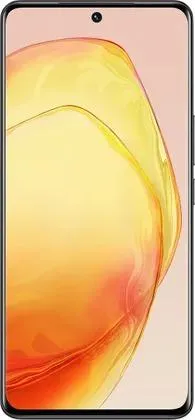
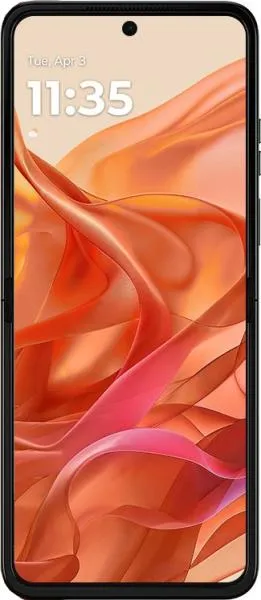
| Feature | vivo V29 | Motorola Razr 50 | Practical Impact |
|---|---|---|---|
| Design | |||
| Dimensions | 164.2 x 74.4 x 7.5 mm | 171.3 x 74 x 7.3 mm | Razr 50 is taller and slightly thinner when unfolded, but significantly more compact when folded due to its foldable design. |
| Weight | 186g | 188.4g | Negligible weight difference in practical use. |
| Foldable | No | Yes | Razr 50 offers portability and a unique form factor, potentially at the cost of durability. |
| Display | |||
| Size | 6.78" | 6.9" | Razr 50 offers a slightly larger screen. |
| Type | AMOLED, 120Hz, HDR10+ | Foldable LTPO AMOLED, 120Hz, HDR10+ | Both offer smooth, vibrant displays. Razr 50's LTPO panel might offer slightly better power efficiency. Foldable nature introduces a crease. |
| Resolution | 1260 x 2800 | 1080 x 2640 | V29 has a sharper display (453 ppi vs 413 ppi). |
| Peak Brightness | Not specified | 3000 nits | Razr 50's significantly higher peak brightness ensures excellent outdoor visibility. V29's unspecified brightness limits our comparison. |
| Performance | |||
| Chipset | Snapdragon 778G 5G (6nm) | Dimensity 7300X (4nm) | Both are mid-range chipsets. Dimensity 7300X, being newer and built on a smaller process, likely offers better performance and power efficiency. |
| CPU | Octa-core (1x2.4 GHz A78 & 3x2.2 GHz A78 & 4x1.9 GHz A55) | Octa-core (4x2.5 GHz A78 & 4x2.0 GHz A55) | Razr 50 likely has a performance edge due to higher clock speeds on its performance cores. |
| GPU | Adreno 642L | Mali-G615 MC2 | Performance differences likely exist, but require real-world benchmarks to quantify. |
| RAM/Storage | 8GB/256GB | 12GB/512GB | Razr 50 offers significantly more RAM and storage, benefiting multitasking and large file storage. |
| Battery | |||
| Capacity | 4600 mAh | 4200 mAh | V29 has a slightly larger battery. Real-world battery life depends on various factors including display usage and software optimization. |
| Camera | |||
| Video | 4K@30fps, 1080p@30fps | 4K@30fps (EIS), 1080p@30/60fps (EIS) | Razr 50 offers more video recording options and Electronic Image Stabilization (EIS) for smoother footage. No detailed camera sensor specifications prevent further analysis. |
2. Key Differences Analysis
vivo V29 Advantages:
- Sharper Display: Higher pixel density provides a more detailed visual experience.
- Potentially Longer Battery Life: Larger battery capacity suggests longer usage time, although real-world performance varies.
Motorola Razr 50 Advantages:
- Foldable Design: Offers unmatched portability and a unique form factor.
- More Powerful Performance: Newer chipset and more RAM provide a smoother user experience, especially for demanding tasks.
- Brighter Display: Significantly brighter screen ensures excellent outdoor visibility.
- Larger Storage: 512GB storage allows for storing a large number of apps, photos, and videos.
- More Versatile Video Recording: Offers EIS and higher frame rate options for video recording.
Trade-offs:
- Razr 50: Foldable design might introduce durability concerns and a crease on the display. Smaller battery. Lower resolution display.
- V29: Less powerful processor and less RAM limit performance for demanding tasks. Less storage space. Unspecified peak brightness raises concerns about outdoor visibility.
3. User Profiles & Recommendations
vivo V29: Suits users prioritizing a sharp display, potentially longer battery life, and a traditional smartphone form factor. Ideal for everyday tasks, media consumption, and casual gaming.
Motorola Razr 50: Best for users who value portability and a unique, compact design above all else. Suitable for users who are comfortable with the foldable form factor and prioritize style and portability. The larger storage makes it suitable for power users or content creators.
4. Decision Framework
Key Questions:
- How important is portability? If ultimate portability is paramount, the Razr 50's foldable design is a clear winner.
- What is your budget and performance requirement? The Razr 50 offers better performance but potentially comes at a higher price.
- Are you comfortable with a foldable phone's trade-offs? Consider the crease, potential durability concerns, and smaller battery associated with foldable devices.
My Choice: Motorola Razr 50
While the vivo V29 offers a sharper display and potentially longer battery life, the Motorola Razr 50's foldable design, superior performance, brighter display, and larger storage are more compelling to me. The portability offered by a foldable phone is a significant advantage in my daily life. I'm willing to accept the potential trade-offs associated with foldable technology for the convenience and unique form factor. The significantly improved performance and larger storage also cater to my needs as a power user. The brighter display ensures comfortable outdoor usage, which is essential for me. Finally, while battery life is a concern, advancements in battery technology and power management make it a manageable compromise.
