1. Specifications Comparison
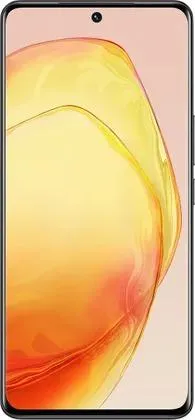
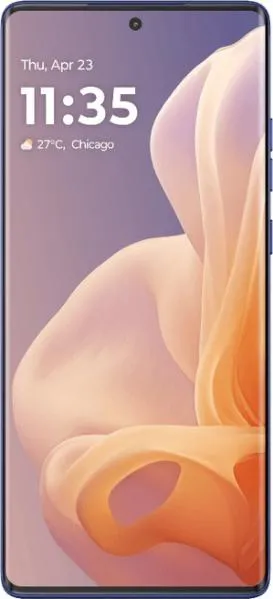
| Feature | vivo V29 | Motorola Moto G85 | Practical Impact |
|---|---|---|---|
| Design | |||
| Dimensions (mm) | 164.2 x 74.4 x 7.5 | 161.9 x 73.1 x 7.6 | Moto G85 is slightly smaller and may feel more comfortable in hand for some users. Depth is practically identical. |
| Weight (g) | 186 | 171 | Moto G85 is noticeably lighter, reducing hand fatigue during extended use. |
| Display | |||
| Size (inches) | 6.78 | 6.67 | Negligible difference in screen real estate. |
| Type | AMOLED, 1B colors, 120Hz, HDR10+ | P-OLED, 1B colors, 120Hz | Both offer smooth scrolling and vibrant colors. AMOLED generally offers deeper blacks. We lack information on HDR capabilities for the Moto G85. |
| Resolution | 1260 x 2800 | 1080 x 2400 | Vivo V29 has a sharper display (453 ppi vs 395 ppi), resulting in crisper text and images. |
| Peak Brightness (nits) | Not specified | 1600 | Moto G85's superior peak brightness ensures excellent outdoor visibility. The lack of data for the Vivo V29 prevents a complete comparison. |
| Performance | |||
| Chipset | Snapdragon 778G 5G (6 nm) | Snapdragon 6s Gen 3 (6 nm) | Vivo V29's 778G offers significantly better performance in demanding tasks and gaming due to its more powerful CPU and GPU. |
| CPU | Octa-core (1x2.4 GHz A78 & 3x2.2 GHz A78 & 4x1.9 GHz A55) | Octa-core (2x2.3 GHz A78 & 6x2.0 GHz A55) | The 778G's higher clocked prime core and more powerful efficiency cores provide a performance advantage for the Vivo V29. |
| GPU | Adreno 642L | Adreno 619 | Vivo V29 will handle graphics-intensive tasks much better. |
| RAM | 8GB | 12GB | Moto G85's larger RAM allows for more apps to run in the background without reloading, improving multitasking. |
| Storage | 256GB | 256GB | Both offer ample storage. |
| Battery | |||
| Capacity (mAh) | 4600 | 5000 | Moto G85 likely offers longer battery life due to its larger capacity and potentially more power-efficient chipset. |
| Camera | |||
| Video Capabilities | 4K@30fps, 1080p@30fps | 1080p@30fps, 1080p@60fps | Vivo V29 offers 4K video recording, while Moto G85 provides smoother 1080p at 60fps. Detailed camera specifications (sensor size, aperture) are missing, hindering a complete comparison. |
| Other | |||
| OS | Android 13 | Android 14 | Moto G85 ships with the newer Android version, offering potential features and security updates. Vivo V29 can upgrade to Android 16 potentially giving it a longer software support life. |
2. Key Differences Analysis
Vivo V29 Advantages:
- Significantly better performance: The Snapdragon 778G outperforms the Snapdragon 6s Gen 3, resulting in smoother gaming, faster app loading, and better multitasking under heavy load.
- Sharper display: Higher resolution leads to a more detailed and visually appealing experience.
- 4K video recording: Captures higher-resolution videos.
Motorola Moto G85 Advantages:
- Larger battery: Potentially longer battery life.
- More RAM: Enhanced multitasking capabilities.
- Brighter Display: Improved outdoor visibility.
- Lighter and More Compact: Easier to hold and carry.
- Newer Android Version: Access to the latest features and security updates out of the box.
3. User Profiles & Recommendations
Vivo V29: Users who prioritize performance for gaming or demanding applications, value a sharp display, and require 4K video recording.
Motorola Moto G85: Users who prioritize battery life, multitasking, outdoor visibility, and a comfortable, lightweight design. Good for everyday users who are not power users.
4. Decision Framework
Key Questions for Buyers:
- What is your budget? Both are mid-range, but slight price differences may exist.
- What are your primary use cases? (Gaming, photography, social media, general use)
- Which features are most important to you? (Performance, battery life, display quality, camera)
My Choice: Vivo V29
While the Moto G85 offers a compelling package with its larger battery, brighter display, more RAM, and lighter weight, the Vivo V29's superior performance is the deciding factor for me. The Snapdragon 778G provides a significantly better user experience for demanding tasks, gaming, and ensuring smooth operation over time. I also value the sharper display for media consumption. The potential for longer software support due to planned updates to Android 16 is also a plus. While battery life is important, I can mitigate that with charging habits. The Moto G85 is a great phone for the average user, but I prioritize performance and a future-proof experience.
