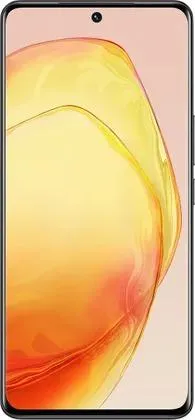
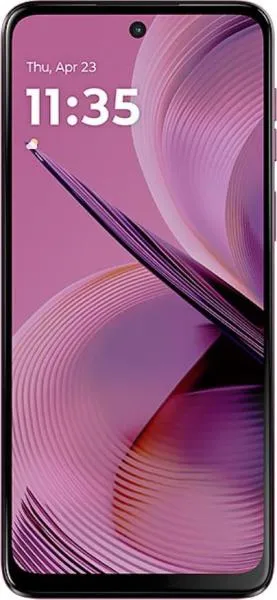
1. Specifications Comparison
| Feature | vivo V29 | Motorola Moto G55 | Practical Impact |
|---|---|---|---|
| Design | |||
| Dimensions | 164.2 x 74.4 x 7.5 mm | 161.6 x 73.8 x 8.1 mm | The Moto G55 is slightly shorter, narrower, but thicker than the Vivo V29. |
| Weight | 186g | 179g | The Moto G55 is slightly lighter. |
| Fingerprint Sensor | Under-display | Side-mounted | Preference-based, but under-display is generally considered more modern. |
| Display | |||
| Size | 6.78" | 6.49" | The Vivo V29 offers a larger screen for more immersive media consumption. |
| Type | AMOLED, 1B colors, 120Hz, HDR10+ | IPS LCD, 120Hz | The Vivo V29's AMOLED display offers significantly better contrast, deeper blacks, and more vibrant colors, along with HDR10+ support for improved dynamic range in compatible content. The 1B colors offer smoother color gradients. |
| Resolution | 1260 x 2800 | 1080 x 2400 | The Vivo V29 boasts a sharper display with higher pixel density (453 ppi vs 405 ppi), resulting in clearer text and images. |
| Refresh Rate | 120Hz | 120Hz | Both phones offer smooth scrolling and animations thanks to the 120Hz refresh rate. |
| Peak Brightness | Not specified | Not specified | Cannot compare without data. |
| Performance | |||
| Chipset | Snapdragon 778G 5G (6 nm) | MediaTek Dimensity 7025 (6 nm) | The Snapdragon 778G generally offers better GPU performance, beneficial for gaming and demanding tasks. The Dimensity 7025 may have slightly better CPU performance in some multi-core benchmarks. |
| CPU | Octa-core (1x2.4 GHz A78 & 3x2.2 GHz A78 & 4x1.9 GHz A55) | Octa-core (2x2.5 GHz A78 & 6x2.0 GHz A55) | Real-world performance differences might be subtle for average users. |
| GPU | Adreno 642L | IMG BXM-8-256 | The Adreno 642L provides a superior gaming experience. |
| RAM | 8GB | 8GB | Both phones offer sufficient RAM for multitasking. |
| Storage | 256GB | 256GB | Both offer the same storage capacity. |
| Camera | |||
| Video Capabilities | 4K@30fps, 1080p@30fps | 1080p@30fps, 1080p@60fps | The Vivo V29 can record in higher resolution (4K), while the Moto G55 offers 60fps recording at 1080p for smoother slow-motion footage. Missing detailed camera specs limit a comprehensive comparison. |
| Battery | |||
| Capacity | 4600 mAh | 5000 mAh | The Moto G55 has a larger battery capacity, potentially offering longer battery life. |
| Software | |||
| OS | Android 13 | Android 14 | The Moto G55 comes with the latest Android version, potentially offering newer features and longer software support. |
2. Key Differences Analysis
Vivo V29 Advantages:
- Superior Display: AMOLED with higher resolution, more colors, and HDR10+ provides a much better visual experience.
- Better Gaming Performance: The Snapdragon 778G and Adreno 642L offer a significant advantage for gamers.
- 4K Video Recording: Enables capturing higher-resolution videos.
Motorola Moto G55 Advantages:
- Larger Battery: Potentially longer battery life.
- Latest Android Version: Newer features and potentially longer software updates.
- Slightly Lighter: More comfortable for extended use.
- 60fps Video Recording at 1080p: Smoother video recording for action shots.
3. User Profiles & Recommendations
Vivo V29: Users who prioritize display quality, gaming performance, and multimedia consumption. Suitable for watching movies, playing games, and capturing high-quality videos.
Motorola Moto G55: Users prioritizing battery life and the latest software. Suitable for general use, social media, and capturing everyday moments in video. Good option for users seeking a balance of features and affordability.
4. Decision Framework
Key Questions for Buyers:
- Is display quality a top priority? If yes, the Vivo V29's AMOLED display is a clear winner.
- How important is gaming performance? The Vivo V29 offers a significantly better gaming experience.
- Is battery life the most crucial factor? If so, the Moto G55 with its larger battery is likely the better choice.
My Choice: Vivo V29
While the Moto G55 offers a larger battery and newer Android version, the Vivo V29's significantly superior display, gaming performance, and 4K video recording capabilities make it the more compelling device for me. I prioritize a vibrant and sharp visual experience, and I appreciate the extra power for demanding tasks and gaming. The slightly smaller battery is a trade-off I'm willing to make for the overall better multimedia experience. The AMOLED display alone makes a significant difference in daily usage. While battery life is important, I value screen quality and performance more. Finally, the difference between Android 13 and 14 is less significant than the difference in core hardware and display quality.
