1. Specifications Comparison
| Feature | vivo V29 | Motorola Moto G24 Power | Practical Impact |
|---|---|---|---|
| Design | |||
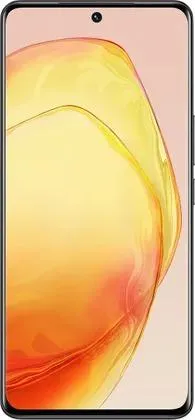
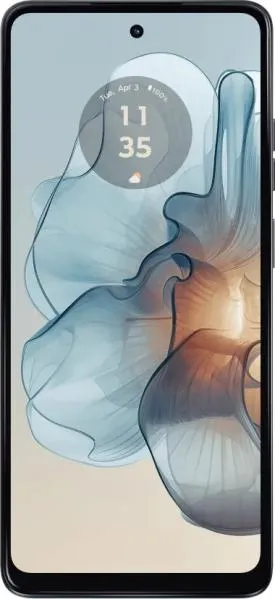
| Dimensions (mm) | 164.2 x 74.4 x 7.5 | 163.5 x 74.5 x 9 | V29 is slightly thinner and shorter. G24 Power may feel bulkier. |
| Weight (g) | 186 | 197 | V29 is noticeably lighter, enhancing one-handed use. |
| Fingerprint Sensor | Under display | Side-mounted | Preference-based, but under-display often perceived as more modern. |
| Display | |||
| Display Type | AMOLED, 1B colors, 120Hz, HDR10+ | IPS LCD, 90Hz | V29 offers significantly better contrast, color accuracy, and smoother scrolling with higher refresh rate and AMOLED technology. |
| Resolution | 1260 x 2800 | 720 x 1612 | V29 has a much sharper display, resulting in crisper text and images. G24 Power's resolution is noticeably lower. |
| Refresh Rate (Hz) | 120 | 90 | V29 provides a smoother, more fluid user experience, especially in games and scrolling. |
| Peak Brightness (nits) | Not specified | 537 | G24 Power's peak brightness is known, indicating decent outdoor visibility. V29's lack of data makes comparison impossible. |
| Performance | |||
| Chipset | Snapdragon 778G 5G (6 nm) | Helio G85 (12 nm) | V29 offers significantly better performance in demanding tasks and gaming due to a more powerful and efficient chipset. |
| CPU | Octa-core (1x2.4 GHz A78 & 3x2.2 GHz A78 & 4x1.9 GHz A55) | Octa-core (2x2.0 GHz A75 & 6x1.7 GHz A55) | V29 has a faster and more modern CPU architecture, resulting in quicker app loading and multitasking. |
| GPU | Adreno 642L | Mali-G52 MC2 | V29's GPU provides significantly better graphics performance for gaming. |
| RAM | 8GB | 8GB | Both phones offer the same amount of RAM, enabling decent multitasking. |
| Storage | 256GB | 128GB | V29 offers double the storage, allowing for more apps, photos, and videos. |
| Camera | |||
| Video Capabilities | 4K@30fps, 1080p@30fps | 1080p@30fps | V29 can record video at a higher resolution (4K). Detailed camera sensor specifications are missing for both, limiting comprehensive comparison. |
| Battery | |||
| Capacity (mAh) | 4600 | 6000 | G24 Power boasts significantly longer battery life. V29's battery life is likely shorter but its more efficient chip could mitigate this difference to some extent. |
2. Key Differences Analysis
vivo V29 Advantages:
- Superior Display: AMOLED with higher resolution, refresh rate, and HDR10+ support provides a vastly improved visual experience.
- Significantly Better Performance: The Snapdragon 778G outperforms the Helio G85, ensuring smoother operation and better gaming capabilities.
- Larger Storage: Double the storage capacity allows for more apps and media.
- Higher Resolution Video Recording: 4K video recording capability.
- Sleeker and Lighter Design: More comfortable for one-handed use.
Motorola Moto G24 Power Advantages:
- Much Longer Battery Life: The massive 6000mAh battery will easily last for two days on a single charge.
- Lower Price: Positioned in the low price range, offering excellent value for its battery life.
3. User Profiles & Recommendations
vivo V29: Users who prioritize display quality, performance, and ample storage. Suitable for gaming, media consumption, and demanding tasks.
Motorola Moto G24 Power: Users who prioritize long battery life above all else. Ideal for users who are frequently away from a charger or heavily rely on their phones throughout the day. Good for basic tasks like calling, texting, and browsing.
4. Decision Framework
Key Questions for Buyers:
- What is your budget? The G24 Power is significantly cheaper.
- What is your primary use case? Gaming and media consumption favor the V29. Basic communication and long battery life favor the G24 Power.
- Which features are most important to you? Prioritize display and performance (V29) or exceptional battery life (G24 Power).
My Choice: vivo V29
While the Moto G24 Power's exceptional battery life is tempting, the vivo V29's superior display, performance, and overall user experience are more compelling to me. I value a smooth and responsive phone for everyday tasks, media consumption, and occasional gaming. The V29's higher resolution and AMOLED display alone make a significant difference in daily usage. While the battery capacity is smaller, I'm willing to compromise slightly on battery life for a noticeably better overall experience. The faster charging speeds of modern phones also lessen the impact of a smaller battery. The G24 Power feels like a more niche device for users with very specific battery life needs, whereas the V29 offers a more well-rounded package.
