1. Specifications Comparison
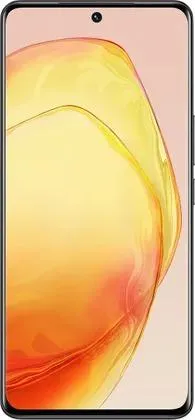
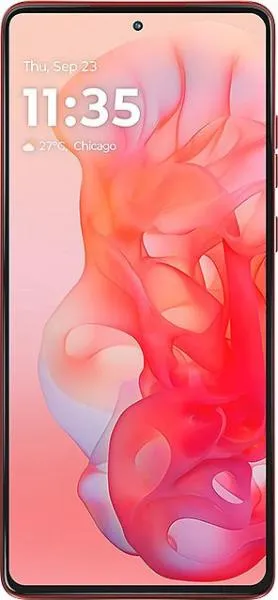
| Feature | vivo V29 | Motorola Moto G Stylus 5G (2024) | Practical Impact |
|---|---|---|---|
| Design | |||
| Dimensions (mm) | 164.2 x 74.4 x 7.5 | 162.6 x 74.8 x 8.3 | Moto is slightly shorter and wider, but thicker. Vivo is likely to feel slimmer in hand. |
| Weight (g) | 186 | 190 | Minor weight difference, unlikely to be noticeable in daily use. |
| Build Materials | Not specified | Not specified | Cannot compare build quality and durability without more information. |
| Display | |||
| Display Type | AMOLED, 1B colors, 120Hz, HDR10+ | P-OLED, 1B colors, 120Hz | Both offer smooth scrolling and vibrant colors. AMOLED generally offers deeper blacks. Missing HDR information for Moto. |
| Resolution | 1260 x 2800 | 1080 x 2400 | Vivo has a sharper display (higher pixel density), resulting in clearer text and images. |
| Peak Brightness | Not specified | 1200 nits | Moto's higher peak brightness ensures better visibility in direct sunlight. Vivo's brightness is unknown. |
| Refresh Rate | 120Hz | 120Hz | Both displays offer smooth scrolling and animations. |
| Performance | |||
| Chipset | Snapdragon 778G 5G (6 nm) | Snapdragon 6 Gen 1 (4 nm) | Vivo's 778G generally offers better performance than the 6 Gen 1, particularly in demanding tasks and gaming. Although 6 Gen 1 uses a more efficient 4nm process. |
| CPU | Octa-core (1x2.4 GHz Cortex-A78 & 3x2.2 GHz Cortex-A78 & 4x1.9 GHz Cortex-A55) | Octa-core (4x2.2 GHz Cortex-A78 & 4x1.8 GHz Cortex-A55) | Vivo has a slight edge in CPU clock speed, potentially translating to faster app loading and multitasking. |
| GPU | Adreno 642L | Adreno 710 | The Adreno 710 in the Moto may offer a slight advantage in graphics performance for gaming but real-world difference may vary. |
| RAM | 8GB | 8GB | Both phones offer the same amount of RAM, ensuring smooth multitasking. |
| Storage | 256GB | 256GB | Both offer ample storage. |
| Battery | |||
| Capacity | 4600 mAh | 5000 mAh | The Moto has a larger battery capacity, potentially leading to longer battery life. |
| Charging Speed | Not specified | Not specified | Cannot compare charging speeds without more information. |
| Camera | |||
| Video Capabilities | 4K@30fps, 1080p@30fps | 4K@30fps, 1080p@30fps, 1080p@60fps, 1080p@120fps | Moto offers more video recording options, including slow-motion at 120fps. Still image quality comparisons are impossible without sensor and lens specifications. |
| Other | |||
| Stylus | No | Yes (implied) | The Moto includes a stylus for note-taking and drawing, expanding its functionality. |
| OS | Android 13 | Android 14 | Moto comes with a newer Android version, offering potential software features and security updates. |
2. Key Differences Analysis
Vivo V29 Advantages:
- Sharper Display: Higher resolution for clearer visuals.
- Generally Faster Performance: More powerful chipset for demanding tasks and gaming.
- Potentially Slimmer Design: Thinner profile might feel better in hand.
Motorola Moto G Stylus 5G (2024) Advantages:
- Larger Battery: Potentially longer battery life.
- More Video Recording Options: Slow-motion and higher frame rate recording.
- Integrated Stylus: Added functionality for note-taking and drawing.
- Newer OS: Access to latest Android features and security updates.
- Brighter Display: Better outdoor visibility.
3. User Profiles & Recommendations
Vivo V29: Users prioritizing performance, a sharp display, and a slim design. Suitable for gaming, media consumption, and general use.
Motorola Moto G Stylus 5G (2024): Users who value battery life, note-taking capabilities, and a large display. Ideal for students, artists, and those who prefer a longer-lasting battery.
4. Decision Framework
Key Questions:
- What is your budget? Both are mid-range, but minor price differences may exist.
- What are your primary use cases? Gaming/media consumption vs. note-taking/productivity.
- How important is battery life?
Scenario-Based Recommendations:
- Heavy gamer: Vivo V29 for better performance.
- Student needing note-taking: Moto G Stylus.
- User prioritizing all-day battery: Moto G Stylus.
My Choice: Motorola Moto G Stylus 5G (2024)
Reasoning: While the Vivo V29 offers a slight performance advantage, the Moto G Stylus 5G (2024) provides a more well-rounded package for my needs. The significantly larger battery, integrated stylus for productivity, brighter display for outdoor use, and the newer Android OS outweigh the Vivo's slightly faster processor. The stylus adds a unique functionality that appeals to me more than a slightly sharper screen or a minor performance boost. The longer battery life is crucial for my daily usage. Finally, the newer OS ensures longer software support and access to the latest features.
