1. Specifications Comparison
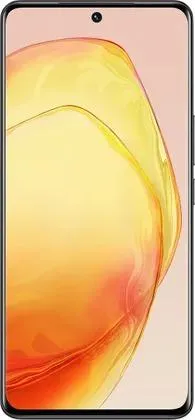
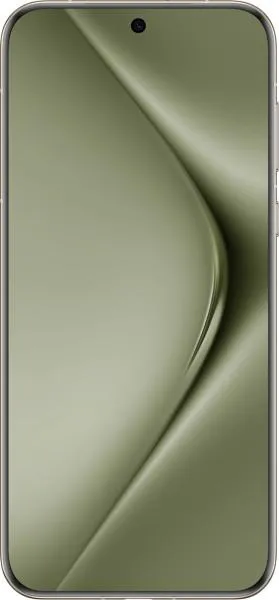
| Feature | vivo V29 | Huawei Pura 70 Ultra | Practical Impact |
|---|---|---|---|
| Design | |||
| Dimensions (mm) | 164.2 x 74.4 x 7.5 | 162.6 x 75.1 x 8.4 | The Vivo is slightly taller and narrower, while the Huawei is thicker. Huawei might feel bulkier. |
| Weight (g) | 186 | 226 | Significant weight difference. Vivo is noticeably lighter and more comfortable for extended use. |
| Build Materials | Not specified | Not specified | Cannot compare build quality and durability without more information. |
| Display | |||
| Size (inches) | 6.78 | 6.8 | Negligible difference in screen real estate. |
| Type | AMOLED, 1B colors, 120Hz, HDR10+ | LTPO OLED, 1B colors, HDR, 120Hz | Both offer excellent color accuracy and smooth scrolling. LTPO on the Huawei allows for dynamic refresh rate adjustment, potentially saving battery. |
| Resolution | 1260 x 2800 | 1260 x 2844 | Virtually identical pixel density, resulting in sharp visuals on both. |
| Peak Brightness (nits) | Not specified | 2500 | The Huawei's significantly higher peak brightness ensures excellent outdoor visibility. Vivo's unspecified brightness may be a disadvantage in bright sunlight. |
| Performance | |||
| Chipset | Qualcomm SM778G 5G (6 nm) | Kirin 9010 (7 nm) | Kirin 9010 is likely a more powerful chipset but real-world performance depends on optimization. |
| CPU | Octa-core (1x2.4 GHz Cortex-A78 & 3x2.2 GHz Cortex-A78 & 4x1.9 GHz Cortex-A55) | Octa-core (1x2.3 GHz Taishan Big & 3x2.18 GHz Taishan Mid & 4x1.55 GHz Cortex-A510) | CPU architectures differ. Detailed benchmarks are needed for accurate performance comparison. |
| GPU | Adreno 642L | 8 | Missing GPU details for the Huawei prevent meaningful comparison. |
| RAM | 8GB | 16GB | Double the RAM on the Huawei allows for significantly more efficient multitasking and smoother performance with demanding applications. |
| Storage | 256GB | 1000GB | Huawei offers massively more storage. Ideal for users who store large files, like videos or games. |
| Battery | |||
| Capacity (mAh) | 4600 | 5200 | Larger battery in the Huawei likely translates to longer battery life. |
| Camera | |||
| Video Capabilities | 4K@30fps, 1080p@30fps | Not specified | Vivo's listed video capabilities are standard. Lack of information on the Huawei prevents comparison. |
| Other | |||
| OS | Android 13 | Not specified | A critical missing detail for the Huawei. OS significantly impacts user experience. |
| NFC | True | True | Both support contactless payments and data transfer. |
| USB | USB Type-C 2.0, OTG | USB Type-C 3.1, OTG, DisplayPort 1.2 | Huawei offers faster data transfer and video output capabilities through USB-C 3.1 and DisplayPort. |
2. Key Differences Analysis
vivo V29 Advantages:
- Lighter and more compact: Significantly more comfortable for one-handed use and extended periods.
- Potentially more affordable: "Medium" price range suggests better value proposition.
Huawei Pura 70 Ultra Advantages:
- Brighter Display: Superior outdoor visibility.
- Larger Battery: Potentially longer battery life.
- More RAM and Storage: Smoother multitasking and ample space for files.
- Faster Data Transfer: USB 3.1 enables quicker file transfers.
- Video Output: DisplayPort allows connection to external displays.
3. User Profiles & Recommendations
vivo V29: Users prioritizing portability, comfort, and affordability. Suitable for everyday tasks, social media, and casual gaming.
Huawei Pura 70 Ultra: Power users who demand top-tier performance, ample storage, and a bright display. Ideal for demanding tasks, gaming, content creation, and professionals needing extensive storage.
4. Decision Framework
Key Questions for Buyers:
- What is your budget? The Huawei is likely significantly more expensive.
- What are your primary use cases? Heavy multitasking and content creation favor the Huawei, while everyday use favors the Vivo.
- How important is portability and comfort? The Vivo's lighter weight is a major advantage for extended use.
My Choice: vivo V29
Reasoning: While the Huawei boasts impressive specs on paper, the lack of crucial information like OS and camera details makes a definitive judgment difficult. The significantly heavier weight and expected higher price of the Huawei are also deterrents. The Vivo V29, with its confirmed Android OS, lighter weight, and lower price range, offers a more compelling overall package based on available information. A fully specced-out Kirin 9010 phone with a great camera and reasonable weight could be compelling, but the missing information makes the Huawei too much of a gamble. I prioritize a comfortable, reliable device with a known operating system, and the Vivo V29 fits that bill more effectively given the available data.
