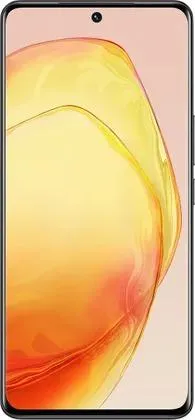

1. Specifications Comparison
| Feature | vivo V29 | Google Pixel 8 Pro | Practical Impact |
|---|---|---|---|
| Design | |||
| Dimensions | 164.2 x 74.4 x 7.5 mm | 162.6 x 76.5 x 8.8 mm | Pixel 8 Pro slightly shorter, wider, and thicker. Vivo V29 likely feels slimmer in hand. |
| Weight | 186g | 213g | Vivo V29 significantly lighter, reducing hand fatigue during extended use. |
| Display | |||
| Size | 6.78" | 6.7" | Negligible difference in screen real estate. |
| Type | AMOLED, 1B colors, 120Hz, HDR10+ | LTPO OLED, 120Hz, HDR10+, 1600 nits (HBM), 2400 nits (peak) | Both offer smooth scrolling and vibrant colors. Pixel 8 Pro's LTPO allows for more granular refresh rate control, potentially saving battery. Significantly higher peak brightness on Pixel 8 Pro ensures excellent outdoor visibility. |
| Resolution | 1260 x 2800 | 1344 x 2992 | Pixel 8 Pro boasts a slightly sharper display due to higher pixel density (489 vs 453 ppi). |
| Performance | |||
| Chipset | Snapdragon 778G 5G (6 nm) | Google Tensor G3 (4 nm) | Tensor G3 expected to offer superior performance and AI capabilities, though real-world differences in everyday tasks might be less noticeable. |
| CPU | Octa-core (1x2.4 GHz Cortex-A78 & 3x2.2 GHz Cortex-A78 & 4x1.9 GHz Cortex-A55) | Nona-core (1x3.0 GHz Cortex-X3 & 4x2.45 GHz Cortex-A715 & 4x2.15 GHz Cortex-A510) | Tensor G3's more modern architecture should provide better multi-core performance. |
| GPU | Adreno 642L | Immortalis-G715s MC10 | Pixel 8 Pro likely to have a significant advantage in gaming and graphically demanding tasks. |
| RAM | 8GB | 12GB | More RAM in Pixel 8 Pro allows for smoother multitasking and better performance with demanding applications. |
| Battery | |||
| Capacity | 4600 mAh | 5050 mAh | Pixel 8 Pro's larger battery capacity suggests significantly longer battery life. |
| Camera | |||
| Video | 4K@30fps, 1080p@30fps | 4K@30/60fps (HDR, OIS, EIS), 1080p@ up to 240fps (HDR, OIS, EIS) | Pixel 8 Pro offers significantly more versatile video recording options with higher resolutions, frame rates, and stabilization. |
| Software | |||
| OS | Android 13 | Android 14 | Pixel 8 Pro launches with the latest Android version and will receive longer software updates directly from Google. |
2. Key Differences Analysis
vivo V29 Advantages:
- Lighter and Slimmer: More comfortable for one-handed use and extended periods.
- Potentially More Affordable: While pricing isn't explicitly stated, Vivo phones generally target a more budget-conscious market.
Google Pixel 8 Pro Advantages:
- Superior Performance: Tensor G3 chip, more RAM, and a more powerful GPU provide a smoother and faster experience.
- Brighter and More Advanced Display: LTPO panel enables better power efficiency and higher peak brightness enhances outdoor visibility.
- Larger Battery: Longer usage time between charges.
- Significantly Better Video Recording: More resolution, frame rate, and stabilization options.
- Latest Software and Longer Updates: Ensures access to new features and security patches for a longer period.
3. User Profiles & Recommendations
vivo V29: Users prioritizing a lightweight and slim phone for everyday tasks, social media, and casual photography. Budget-conscious buyers who don't require top-tier performance or the latest software.
Google Pixel 8 Pro: Users who demand top-tier performance, the best camera capabilities (especially video), the latest software with guaranteed long-term updates, and a bright, vibrant display. Power users, gamers, and content creators.
4. Decision Framework
Key Questions:
- What is your budget? The Pixel 8 Pro is likely significantly more expensive.
- What are your primary use cases? (e.g., gaming, photography, social media, everyday tasks)
- How important are software updates and future-proofing?
Scenario-Based Recommendations:
- Limited Budget, Casual User: vivo V29
- Power User, Photographer/Videographer: Google Pixel 8 Pro
- Value Seeker, Focus on Longevity: Google Pixel 8 Pro (despite higher initial cost, longer software support might offer better value over time)
My Choice: Google Pixel 8 Pro
While the vivo V29 offers a compelling lightweight design, the Pixel 8 Pro's superior performance, significantly better camera, longer software support, brighter display, and larger battery make it the clear winner for me. I prioritize a smooth, future-proof experience with excellent camera capabilities, and I am willing to pay more and accept a slightly heavier phone for these advantages. The Tensor G3's AI capabilities are also a significant draw, offering potential benefits in various applications. The commitment to long-term software updates ensures the device remains secure and up-to-date for an extended period, justifying the higher price in the long run.
