1. Specifications Comparison
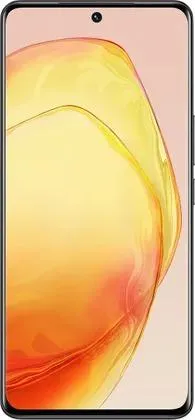
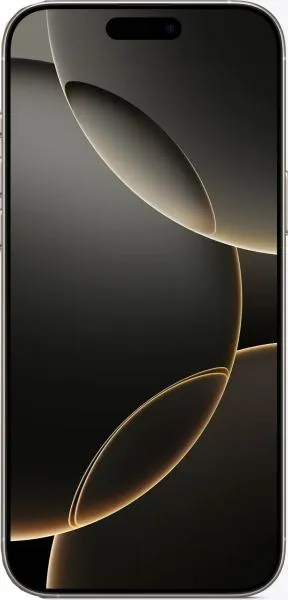
| Feature | vivo V29 | Apple iPhone 16 Pro Max | Practical Impact |
|---|---|---|---|
| Design | |||
| Dimensions (mm) | 164.2 x 74.4 x 7.5 | 163 x 77.6 x 8.3 | iPhone 16 Pro Max is slightly wider and thicker. Vivo V29 is thinner. |
| Weight (g) | 186 | 227 | Vivo V29 is significantly lighter, reducing hand fatigue during extended use. |
| Build Materials | Not specified | Not specified | Material differences can impact durability and premium feel; information is lacking here. |
| Display | |||
| Display Size (inches) | 6.78 | 6.9 | iPhone 16 Pro Max offers a slightly larger screen for more immersive content consumption. |
| Display Type | AMOLED, 1B colors, 120Hz, HDR10+ | LTPO Super Retina XDR OLED, 120Hz, HDR10, Dolby Vision, 1000 nits (typ), 2000 nits (HBM) | Both offer smooth scrolling and vivid colors. iPhone boasts higher peak brightness for better outdoor visibility and supports Dolby Vision for enhanced HDR content. |
| Resolution | 1260 x 2800 | 1320 x 2868 | Both offer sharp displays; differences in resolution are negligible in practical use. |
| PPI | 453 | 460 | Negligible difference in pixel density. |
| Performance | |||
| Chipset | Qualcomm Snapdragon 778G 5G (6 nm) | Apple A18 Pro (3 nm) | A18 Pro is expected to significantly outperform the Snapdragon 778G in speed and efficiency due to Apple's chip design and manufacturing process advantage. |
| CPU | Octa-core (1x2.4 GHz Cortex-A78 & 3x2.2 GHz Cortex-A78 & 4x1.9 GHz Cortex-A55) | Hexa-core (2x4.05 GHz + 4x2.42 GHz) | A18 Pro's architecture and higher clock speeds suggest superior multi-core performance. |
| GPU | Adreno 642L | Apple GPU (6-core graphics) | Apple's custom GPU is likely to offer a substantial advantage in graphics performance, especially for demanding games and applications. |
| RAM | 8GB | 8GB | RAM is equal, suggesting similar multitasking capabilities. |
| Camera | |||
| Video Capabilities | 4K@30fps, 1080p@30fps | 4K@24/25/30/60/100/120fps (HDR), 1080p@25/30/60/120/240fps (HDR) | iPhone 16 Pro Max provides significantly more versatile video recording options with higher frame rates and HDR across resolutions. |
| Specific sensor details | Missing | Missing | Lack of detailed camera specs limits a comprehensive comparison. |
| Battery | |||
| Capacity (mAh) | 4600 | 4685 | Very similar battery capacities, likely resulting in comparable battery life. Real-world usage will depend on software optimization. |
2. Key Differences Analysis
vivo V29 Advantages:
- Lighter and Thinner: Offers a more comfortable in-hand feel, especially for extended use.
- Potentially Lower Price: Belongs to a medium price range, likely making it more affordable.
iPhone 16 Pro Max Advantages:
- Significantly Superior Performance: The A18 Pro chip offers a substantial performance advantage for demanding tasks and gaming.
- More Advanced Display: Brighter display for improved outdoor visibility and Dolby Vision support for enhanced HDR content.
- Versatile Video Recording: Wider range of video recording options with higher frame rates and resolutions.
3. User Profiles & Recommendations
vivo V29: Ideal for users who prioritize a lightweight and affordable phone for everyday tasks like social media, browsing, and casual photography.
iPhone 16 Pro Max: Best suited for users who demand top-tier performance, a premium display, and advanced video recording capabilities. Power users, gamers, and content creators would benefit most.
4. Decision Framework
Key Questions for Buyers:
- What is your budget? The iPhone 16 Pro Max is significantly more expensive.
- What are your performance needs? For demanding tasks and gaming, the iPhone 16 Pro Max is superior.
- What features do you prioritize? Consider whether a lighter phone, advanced display, or professional-grade video recording are essential.
Scenario-Based Recommendations:
- Limited budget, everyday use: Vivo V29
- Demanding tasks, gaming, content creation: iPhone 16 Pro Max
My Choice: Apple iPhone 16 Pro Max
While the Vivo V29 offers a compelling lightweight design and likely a lower price point, the iPhone 16 Pro Max's significant performance advantage, superior display, and versatile video capabilities are decisive factors for me. I prioritize a smooth and powerful user experience for demanding tasks, gaming, and content consumption, making the iPhone 16 Pro Max the better choice despite its higher price and weight. The A18 Pro chip's expected performance leap, coupled with the advanced display features, justifies the premium for my usage patterns.
