1. Specifications Comparison
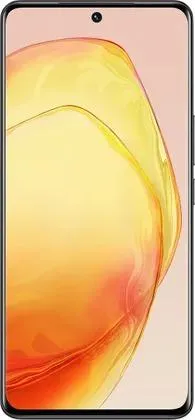
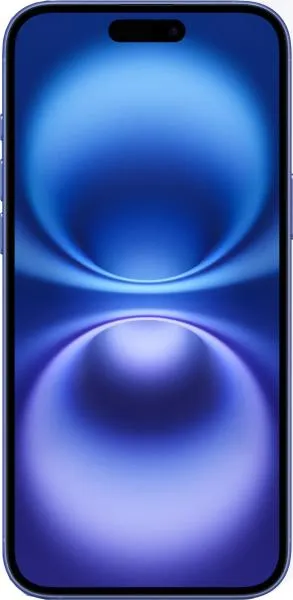
| Feature | vivo V29 | Apple iPhone 16 Plus | Practical Impact |
|---|---|---|---|
| Design | |||
| Dimensions | 164.2 x 74.4 x 7.5 mm | 160.9 x 77.8 x 7.8 mm | iPhone 16 Plus is slightly shorter and narrower but a tad thicker. Negligible difference in everyday use. |
| Weight | 186g | 199g | vivo V29 is noticeably lighter, reducing hand fatigue during prolonged use. |
| Build Materials | Not specified | Not specified | Cannot compare build quality and durability without material information. |
| Display | |||
| Display Type | AMOLED, 1B colors, 120Hz, HDR10+ | Super Retina XDR OLED, HDR10, Dolby Vision, 1000 nits (typ), 2000 nits (HBM) | Both offer excellent displays. iPhone boasts higher peak brightness for better outdoor visibility and Dolby Vision support for enhanced dynamic range. V29's 120Hz likely provides smoother scrolling. |
| Size | 6.78" | 6.7" | Negligible size difference. |
| Resolution | 1260 x 2800 | 1290 x 2796 | Virtually identical pixel density, resulting in sharp visuals on both. |
| Refresh Rate | 120Hz | Not Specified | V29's 120Hz refresh rate delivers smoother animations and scrolling compared to a standard 60Hz display (assuming iPhone 16 Plus is 60Hz). |
| Performance | |||
| Chipset | Snapdragon 778G 5G (6 nm) | Apple A18 (3 nm) | A18 is expected to significantly outperform the 778G in CPU and GPU tasks, leading to faster app launches, smoother gaming, and better multitasking. |
| CPU | Octa-core (1x2.4 GHz Cortex-A78 & 3x2.2 GHz Cortex-A78 & 4x1.9 GHz Cortex-A55) | Hexa-core (2x4.04 GHz + 4x2.20 GHz) | A18's architecture and higher clock speeds indicate superior processing power. |
| GPU | Adreno 642L | Apple GPU (5-core graphics) | Apple's custom GPU generally offers excellent performance, likely surpassing the Adreno 642L in graphics-intensive tasks. |
| RAM | 8GB | 8GB | Same RAM capacity. Performance difference will depend more on respective chipsets and software optimization. |
| Battery | |||
| Capacity | 4600 mAh | 4674 mAh | Marginally similar battery capacities. Real-world battery life will depend on software optimization and usage patterns. |
| Camera | |||
| Video Capabilities | 4K@30fps, 1080p@30fps | 4K@24/25/30/60fps (HDR), 1080p@25/30/60/120/240fps (HDR) | iPhone offers significantly more versatile video recording options, including higher resolutions, frame rates, and HDR recording across various modes. |
| Details | Limited information | Limited information | Comprehensive camera comparison requires more details like sensor size, aperture, and features. |
2. Key Differences Analysis
vivo V29 Advantages:
- Lighter Weight: More comfortable for extended use.
- Confirmed 120Hz Refresh Rate: Smoother scrolling and animations.
- Potentially Lower Price: Within the "medium price" range, it could be more affordable than the iPhone.
Apple iPhone 16 Plus Advantages:
- Significantly More Powerful Chipset: Superior performance for demanding tasks and future-proofing.
- More Versatile Video Recording: Wide range of resolutions, frame rates, and HDR support.
- Expected Longer Software Support: Apple's iOS typically receives updates for a longer period.
3. User Profiles & Recommendations
vivo V29: Users prioritizing a lightweight phone with a smooth display for everyday tasks, social media, and casual gaming. Budget-conscious buyers seeking good value.
Apple iPhone 16 Plus: Users prioritizing top-tier performance for demanding applications, gaming, and content creation. Those heavily invested in the Apple ecosystem and value long-term software updates.
4. Decision Framework
Key Questions:
- What is your budget? The iPhone 16 Plus will likely be more expensive.
- What are your primary use cases? Demanding tasks and gaming favor the iPhone. Casual use favors either.
- How important is software support and ecosystem? Apple excels in long-term updates and ecosystem integration.
My Choice: Apple iPhone 16 Plus
While the Vivo V29 offers a lighter weight and a confirmed high refresh rate display, the iPhone 16 Plus's significantly superior performance, more versatile video capabilities, and expected longer software support make it the more compelling choice for me. I prioritize long-term value, future-proofing, and a smooth, powerful user experience, even if it comes at a premium. The A18 chip's expected performance leap alone is a significant factor, ensuring the phone remains capable for years to come. Additionally, the comprehensive video recording features cater to my content creation needs. While I appreciate the V29's lighter weight, the overall package of the iPhone 16 Plus outweighs that single advantage.
