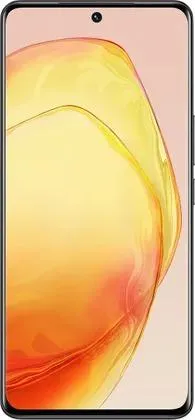
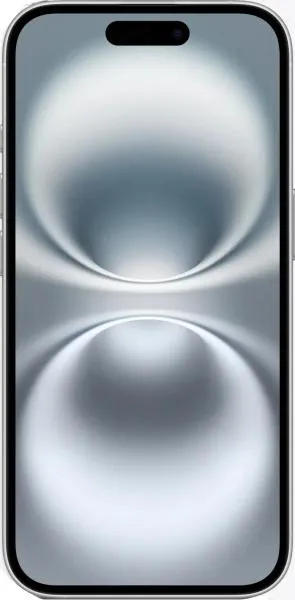
1. Specifications Comparison
| Feature | vivo V29 | Apple iPhone 16 | Practical Impact |
|---|---|---|---|
| Design | |||
| Dimensions | 164.2 x 74.4 x 7.5 mm | 147.6 x 71.6 x 7.8 mm | iPhone 16 is noticeably smaller and potentially easier to handle one-handed. |
| Weight | 186g | 170g | iPhone 16 is lighter, improving comfort for extended use. |
| Build Materials | Not specified | Not specified | Cannot compare build quality and durability. |
| Display | |||
| Size | 6.78" | 6.1" | vivo V29 offers a significantly larger screen for media consumption and multitasking. |
| Type | AMOLED, 1B colors, 120Hz, HDR10+ | Super Retina XDR OLED, HDR10, Dolby Vision, 1000 nits (typ), 2000 nits (HBM) | Both offer high-quality OLED displays. V29 boasts a higher refresh rate for smoother animations, while iPhone 16 supports Dolby Vision and higher peak brightness for better HDR performance in bright environments. |
| Resolution | 1260 x 2800 | 1179 x 2556 | Similar pixel density (around 450-460 ppi), resulting in sharp visuals on both. |
| Refresh Rate | 120Hz | Not specified | V29's 120Hz refresh rate delivers smoother scrolling and animations. iPhone 16's refresh rate is unknown, but likely 60Hz. |
| Performance | |||
| Chipset | Snapdragon 778G 5G (6 nm) | Apple A18 (3 nm) | A18 is expected to significantly outperform the Snapdragon 778G in processing power and graphics performance. |
| CPU | Octa-core (1x2.4 GHz Cortex-A78 & 3x2.2 GHz Cortex-A78 & 4x1.9 GHz Cortex-A55) | Hexa-core (2x4.04 GHz + 4x2.20 GHz) | A18's architecture and higher clock speeds suggest superior performance. |
| GPU | Adreno 642L | Apple GPU (5-core graphics) | Apple's custom GPU in the A18 is likely more powerful. |
| RAM | 8GB | 8GB | Both offer ample RAM for multitasking. |
| Battery | |||
| Capacity | 4600 mAh | 3561 mAh | vivo V29 has a larger battery, potentially leading to longer battery life. Real-world usage will vary. |
| Camera | |||
| Video Capabilities | 4K@30fps, 1080p@30fps | 4K@24/25/30/60fps (HDR), 1080p@25/30/60/120/240fps (HDR) | iPhone 16 boasts significantly more comprehensive video recording options, including higher frame rates and HDR support at various resolutions. Specific sensor and image quality details are lacking for comparison. |
2. Key Differences Analysis
vivo V29 Advantages:
- Larger display for immersive media consumption.
- Higher refresh rate display for smoother user experience.
- Larger battery capacity for potentially longer battery life.
iPhone 16 Advantages:
- Significantly more powerful processor and graphics for demanding tasks and gaming.
- More advanced video recording capabilities.
- Smaller and lighter form factor.
- Expected longer software support from Apple.
3. User Profiles & Recommendations
vivo V29: Users who prioritize a large, smooth display for media consumption, browsing, and casual gaming. Users seeking potentially longer battery life. Budget-conscious users seeking value for money.
iPhone 16: Users who prioritize performance for demanding applications, gaming, and content creation. Users who value a premium mobile experience with a compact form factor. Users heavily invested in the Apple ecosystem.
4. Decision Framework
Key Questions for Buyers:
- What is your budget and how important is value for money?
- What are your primary smartphone usage patterns (e.g., media consumption, gaming, productivity)?
- Do you prioritize performance, battery life, display size, or software updates?
My Choice: iPhone 16
While the vivo V29 offers a larger display and potentially longer battery life, the iPhone 16's significant performance advantage, superior video recording capabilities, and expected longer software support make it the more compelling choice for me. I prioritize a smooth and responsive user experience for demanding tasks and gaming, and the A18 chip is expected to deliver in that regard. The more compact form factor of the iPhone 16 is also appealing. While battery life is a concern, I am willing to compromise on battery capacity for the significant performance gains and overall ecosystem benefits.
