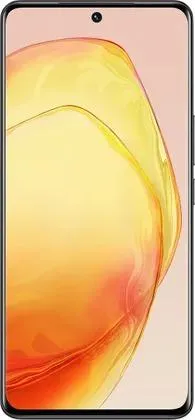
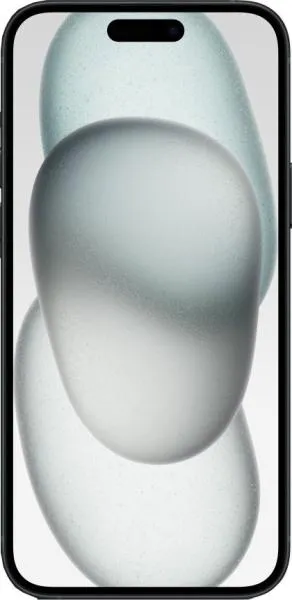
1. Specifications Comparison
| Feature | vivo V29 | Apple iPhone 15 Plus | Practical Impact |
|---|---|---|---|
| Design | |||
| Dimensions | 164.2 x 74.4 x 7.5 mm | 160.9 x 77.8 x 7.8 mm | iPhone 15 Plus is slightly shorter and wider, but negligibly thicker. Real-world difference in hand feel would be minimal for most users. |
| Weight | 186g | 201g | The vivo V29 is noticeably lighter, potentially reducing hand fatigue during extended use. |
| Build Materials | Not specified | Aluminum & Glass | Lack of information on V29 materials prevents comparison. |
| Display | |||
| Size | 6.78" | 6.7" | Negligible difference in screen real estate. |
| Type | AMOLED, 1B colors, 120Hz, HDR10+ | Super Retina XDR OLED, HDR10, Dolby Vision, 1000 nits (HBM), 2000 nits (peak) | Both offer high-quality OLED displays with HDR support. The V29's 120Hz likely provides smoother animations and scrolling compared to the iPhone's unspecified refresh rate (likely 60Hz). iPhone's higher peak brightness ensures better visibility in direct sunlight. Dolby Vision support on the iPhone could offer a slightly better HDR experience. |
| Resolution | 1260 x 2800 | 1290 x 2796 | Virtually identical pixel density, resulting in sharp visuals on both devices. |
| Performance | |||
| Chipset | Qualcomm Snapdragon 778G 5G (6 nm) | Apple A16 Bionic (4 nm) | A16 Bionic significantly outperforms the Snapdragon 778G in CPU and GPU tasks, leading to faster app loading, smoother gaming, and better multitasking. |
| CPU | Octa-core (1x2.4 GHz Cortex-A78 & 3x2.2 GHz Cortex-A78 & 4x1.9 GHz Cortex-A55) | Hexa-core (2x3.46 GHz Everest + 4x2.02 GHz Sawtooth) | See Chipset impact. |
| GPU | Adreno 642L | Apple GPU (5-core graphics) | See Chipset impact. |
| RAM | 8GB | 6GB | While the V29 has more RAM, iOS's memory management often allows iPhones to perform efficiently with less RAM. The A16's superior performance likely offsets any potential RAM advantage of the V29. |
| Battery | |||
| Capacity | 4600 mAh | 4383 mAh | V29 has a slightly larger battery, but real-world battery life depends heavily on software optimization and usage patterns. |
| Camera | |||
| Video Capabilities | 4K@30fps, 1080p@30fps | 4K@24/25/30/60fps (HDR), 1080p@25/30/60/120/240fps (HDR) | iPhone offers significantly more versatile video recording options, including higher frame rates and HDR at various resolutions. Slow-motion recording is also superior on the iPhone. |
| Other specs | Missing detailed camera specs for both phones. | Missing detailed camera specs for both phones. | Comprehensive camera comparison is not possible without more details. |
2. Key Differences Analysis
vivo V29 Advantages:
- Lighter: More comfortable for extended use.
- Potentially Smoother Display: 120Hz refresh rate.
- Larger Battery: Potentially longer battery life.
iPhone 15 Plus Advantages:
- Significantly More Powerful: A16 Bionic chip offers a substantial performance advantage.
- Brighter Display: Better outdoor visibility.
- More Versatile Video Recording: Wider range of resolutions and frame rates with HDR.
- More Mature Software Ecosystem: iOS known for stability and app optimization.
3. User Profiles & Recommendations
vivo V29: Users prioritizing a lightweight phone with a smooth display and potentially longer battery life. Casual users who prioritize basic tasks and media consumption. Price-sensitive buyers.
iPhone 15 Plus: Users prioritizing performance, a bright display, and high-quality video recording. Power users, gamers, and content creators. Users invested in the Apple ecosystem.
4. Decision Framework
Key Questions:
- What is your budget? The iPhone 15 Plus is typically more expensive.
- What are your primary use cases? (Gaming, photography, social media, etc.)
- Which operating system do you prefer? (Android or iOS)
Scenario-Based Recommendations:
- Gamer: iPhone 15 Plus for its superior performance.
- Casual User: vivo V29 if budget is a constraint and light weight is preferred.
- Photographer/Videographer: iPhone 15 Plus for its versatile video capabilities. Pending further camera spec details.
My Choice: iPhone 15 Plus
While the vivo V29 offers a lighter weight and potentially longer battery life, the iPhone 15 Plus's significant performance advantage, brighter display, more versatile video recording, and the mature iOS ecosystem are more compelling to me. The A16 Bionic's superior performance ensures a smoother and more responsive user experience across all tasks, which I prioritize over marginal differences in weight or battery capacity. The brighter display is crucial for outdoor use, and the advanced video capabilities cater to my content creation needs. While subjective, I also prefer the iOS ecosystem.
