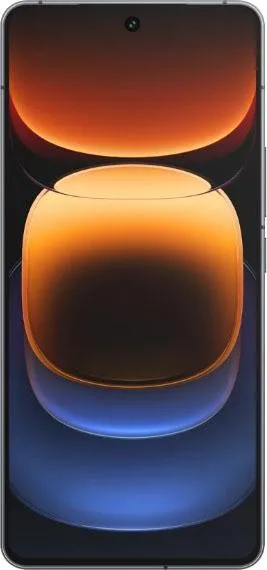
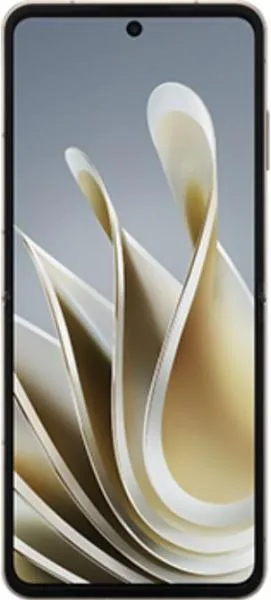
Let's dive into a comparative analysis of the vivo iQOO 12 and the ZTE nubia Flip, two intriguing devices that cater to different mobile experiences.
1. Specifications Breakdown
| Feature | vivo iQOO 12 | ZTE nubia Flip | Real-World Implications |
|---|---|---|---|
| Design | |||
| Form Factor | Candybar | Foldable | iQOO 12: Classic, pocketable. Nubia Flip: Compact when folded, larger screen when unfolded. |
| Dimensions | 163.2 x 75.9 x 8.1 mm | 170 x 75.5 x 7 mm | iQOO 12: Taller, slightly wider. Nubia Flip: More compact when folded, thicker. |
| Weight | 198.5 g | 214 g | Nubia Flip noticeably heavier due to the folding mechanism. |
| Display | |||
| Size | 6.78 inches | 6.9 inches | Nubia Flip offers a slightly larger display area when unfolded. |
| Type | LTPO AMOLED, 1B colors, 144Hz, HDR10+ | Foldable OLED, 1B colors, 120Hz | iQOO 12: Smoother scrolling and animations, potentially better battery efficiency. Nubia Flip: Crease? |
| Resolution | 1260 x 2800 | 1188x2790 | Comparable pixel density, sharp visuals on both. |
| Peak Brightness | 3000 nits | Not specified | iQOO 12: Exceptional outdoor visibility. Nubia Flip: Brightness performance unknown. |
| Performance | |||
| Chipset | Snapdragon 8 Gen 3 | Snapdragon 7 Gen 1 | iQOO 12: Significantly faster CPU and GPU, smoother multitasking and gaming. |
| RAM | 16GB | 8GB | iQOO 12: Double the RAM, superior multitasking capabilities. |
| Storage | 512GB/1TB | 256GB | iQOO 12: More storage options for power users. |
| Battery Life | |||
| Capacity | 5000 mAh | 4310 mAh | iQOO 12: Larger battery, potentially longer usage time. |
| Other | |||
| OS | Android 14 | Android 13 | iQOO 12: Newer OS, latest features and security updates. |
| NFC | Yes | Yes | Both support contactless payments. |
2. Key Insights
- Performance Powerhouse: The iQOO 12, with its Snapdragon 8 Gen 3 and 16GB RAM, is a clear winner in performance. This translates to blazing-fast speeds, seamless multitasking, and effortless gaming.
- Foldable Future: The Nubia Flip offers the unique appeal of a foldable design, making it more compact for portability. However, the Snapdragon 7 Gen 1 and 8GB RAM suggest a mid-range performance level.
- Display Dilemma: The iQOO 12 boasts a superior display with a 144Hz refresh rate and incredible peak brightness. The Nubia Flip's foldable OLED is intriguing, but the lack of brightness specs raises questions.
3. User Profiles and Recommendations
- iQOO 12: Ideal for power users, gamers, and anyone who demands top-tier performance and a stunning display.
- Nubia Flip: Suited for users prioritizing portability and a unique form factor, willing to compromise on raw performance.
4. Buying Decision Framework
- Performance Priority: Do you need the absolute best performance? If yes, the iQOO 12 is the clear choice.
- Portability vs. Screen Size: Is pocketability paramount, or do you value a larger screen when needed? The Nubia Flip addresses the former, the iQOO 12 the latter.
- Budget Considerations: While both are in the mid-range, the specific price difference will influence the final decision.
My Choice: vivo iQOO 12
As a tech journalist with an engineering background, I prioritize performance and a fluid user experience. The iQOO 12's Snapdragon 8 Gen 3, coupled with the 144Hz LTPO AMOLED display, promises a buttery smooth and responsive experience that's hard to resist. While the Nubia Flip's foldable design is intriguing, the performance trade-off is significant. The brighter display of the iQOO 12 is also a major factor for me, as I often use my phone outdoors. For my needs, the iQOO 12 delivers a compelling combination of cutting-edge performance and a premium display. The larger battery capacity also provides peace of mind for all-day usage. While I appreciate the innovation of foldable phones, the iQOO 12's superior specifications better align with my daily workflow and personal preferences.
