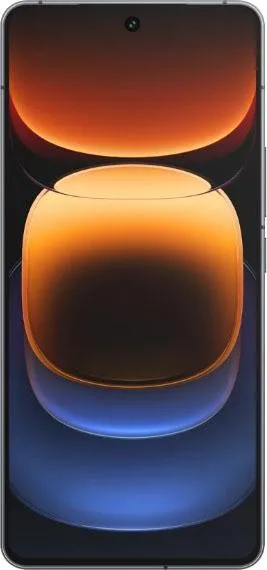
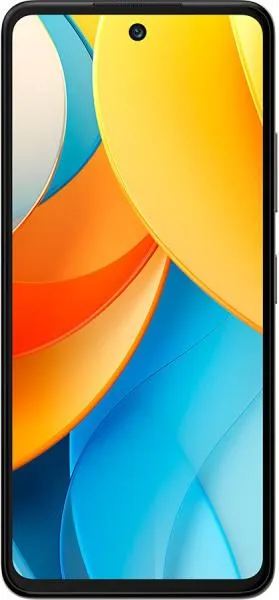
Let's dive into a comparative analysis of the vivo iQOO 12 and the ZTE Blade V60 Design, cutting through the spec sheet to reveal what these phones offer in the real world.
1. Specifications Breakdown
| Feature | vivo iQOO 12 | ZTE Blade V60 Design | Real-World Implications |
|---|---|---|---|
| Design | |||
| Dimensions | 163.2 x 75.9 x 8.1 mm | 164.2 x 75.3 x 8.6 mm | iQOO 12 slightly shorter and thinner. V60 Design slightly wider and thicker. |
| Weight | 198.5 g | 198 g | Negligible weight difference in hand. |
| Build Materials | Not specified | Not specified | Build quality and durability remain unknown without further information. |
| Display | |||
| Display Type | LTPO AMOLED, 1B colors, 144Hz, HDR10+ | IPS LCD, 90Hz | iQOO 12: Superior color accuracy, smoothness, and power efficiency. V60 Design: Basic LCD technology. |
| Size | 6.78" | 6.6" | iQOO 12 offers a larger screen for more immersive content consumption. |
| Resolution | 1260 x 2800 | 720 x 1612 | iQOO 12: Significantly sharper and more detailed visuals. V60 Design: Noticeably lower resolution. |
| Peak Brightness | 3000 nits | Not specified | iQOO 12: Exceptional outdoor visibility. V60 Design: Brightness performance unknown. |
| Performance | |||
| Chipset | Snapdragon 8 Gen 3 (4 nm) | Unisoc T606 (12 nm) | iQOO 12: Flagship-level performance, smooth multitasking, demanding gaming. V60 Design: Entry-level performance for basic tasks. |
| CPU | Octa-core (1x3.3 GHz Cortex-X4 & ...) | Octa-core (2x1.6 GHz ...) | iQOO 12: Vastly superior processing power across all tasks. |
| GPU | Adreno 750 | Mali-G57 MP1 | iQOO 12: High-end graphics for smooth gaming and demanding applications. V60 Design: Basic graphics for casual use. |
| RAM | 16GB | 6GB | iQOO 12: Ample memory for seamless multitasking and app switching. V60 Design: Sufficient for basic usage but may struggle with heavy multitasking. |
| Storage | 512GB/1TB | 256GB | iQOO 12 offers more storage options for large files and apps. |
| Battery | |||
| Capacity | 5000 mAh | 5000 mAh | Similar battery capacity, but real-world battery life depends on optimization and usage patterns. |
| Other | |||
| OS | Android 14 | Android 13 | iQOO 12 ships with the latest Android version, potentially offering newer features and longer software support. |
| NFC | Yes | Yes | Both phones support contactless payments and data transfer. |
2. Key Insights
The iQOO 12 is a clear flagship contender, boasting a cutting-edge Snapdragon 8 Gen 3 processor, a stunning 144Hz AMOLED display, and incredibly fast charging. It's designed for power users who demand top-tier performance, a premium visual experience, and ample storage.
The ZTE Blade V60 Design, on the other hand, is a budget-oriented device with modest specifications. Its strengths lie in its affordability and large battery, catering to users who prioritize basic functionality and long battery life over raw performance or premium features.
3. User Profiles and Recommendations
- vivo iQOO 12: Gamers, power users, content creators, and anyone who demands the best possible performance and display quality from their smartphone.
- ZTE Blade V60 Design: Users on a tight budget who prioritize basic communication, web browsing, and light media consumption. Ideal for those who need a reliable phone without breaking the bank.
4. Buying Decision Framework
- What is your budget? The iQOO 12 is a premium device, while the V60 Design is significantly more affordable.
- What are your performance needs? If you need a phone for demanding tasks like gaming or video editing, the iQOO 12 is the clear choice. For basic usage, the V60 Design is sufficient.
- How important is display quality? The iQOO 12's AMOLED display offers a vastly superior visual experience compared to the V60 Design's LCD.
My Choice: I would choose the vivo iQOO 12. While significantly more expensive, the performance difference is immense. The Snapdragon 8 Gen 3 combined with the 144Hz AMOLED display would provide a dramatically smoother and more responsive experience. As someone who values performance and a premium user experience, the iQOO 12 aligns perfectly with my needs. The investment in a flagship device like the iQOO 12 would provide a more future-proof and enjoyable experience in the long run. While the ZTE Blade V60 Design offers excellent value for its price, it simply can't compete with the sheer power and feature set of the iQOO 12.
