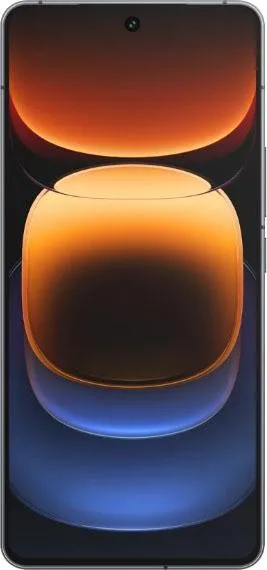
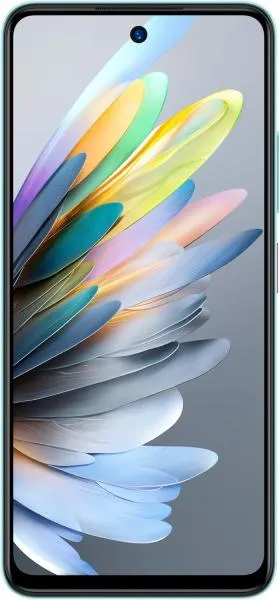
1. Specifications Comparison
| Feature | vivo iQOO 12 | ZTE Blade A75 4G | Practical Impact |
|---|---|---|---|
| Design | |||
| Dimensions | 163.2 x 75.9 x 8.1 mm | 164.1 x 75.8 x 8.6 mm | Virtually identical in hand feel. |
| Weight | 198.5 g | 189 g | iQOO 12 is slightly heavier but likely negligible. |
| Build | Missing | Missing | Build quality and materials unknown, impacting durability and premium feel. |
| Display | |||
| Size | 6.78" | 6.6" | iQOO 12 offers slightly more screen real estate. |
| Type | LTPO AMOLED, 1B colors, 144Hz | IPS LCD, 90Hz | iQOO 12's AMOLED provides significantly better contrast, colors, and power efficiency. 144Hz refresh rate results in much smoother animations and scrolling compared to 90Hz. |
| Resolution | 1260 x 2800 | 720 x 1612 | iQOO 12 boasts much sharper visuals due to higher resolution (453 ppi vs 267 ppi). |
| Peak Brightness | 3000 nits | Missing | iQOO 12's extreme peak brightness ensures excellent outdoor visibility, while A75's unknown brightness limits assessment. |
| Performance | |||
| Chipset | Snapdragon 8 Gen 3 | Unisoc T606 | iQOO 12 vastly outperforms in CPU and GPU tasks, enabling demanding gaming, smooth multitasking, and faster app loading. |
| CPU | Octa-core (1x3.3 GHz Cortex-X4 & 3x3.2 GHz Cortex-A720 & 2x3.0 GHz Cortex-A720 & 2x2.3 GHz Cortex-A520) | Octa-core (2x1.6 GHz Cortex-A75 & 6x1.6 GHz Cortex-A55) | iQOO 12's superior CPU architecture delivers significantly faster processing speeds. |
| GPU | Adreno 750 | Mali-G57 MP1 | iQOO 12's Adreno 750 offers dramatically better graphics performance for gaming and visually intensive applications. |
| RAM | 16GB | 4GB | iQOO 12's 16GB RAM enables seamless multitasking and keeps more apps open in the background without reloading. |
| Storage | 512GB/1TB | 256GB | iQOO 12 provides significantly more storage for apps, media, and files. |
| Camera | |||
| Rear Camera | Missing | Missing | Camera quality and features cannot be compared due to missing specifications. |
| Video | 8K@30fps, 4K@60fps, etc. | 1080p@30fps | iQOO 12 supports significantly higher video resolution and frame rates. |
| Battery | |||
| Capacity | 5000 mAh | 5000 mAh | Similar battery capacity; however, real-world battery life depends on factors like display and chipset efficiency, which favor the iQOO 12 due to its LTPO display. |
2. Key Differences Analysis
Performance: The iQOO 12 significantly outperforms the ZTE Blade A75 4G due to its flagship Snapdragon 8 Gen 3 processor, ample RAM, and superior GPU. This translates to a smoother user experience, faster app loading, superior multitasking, and the ability to handle demanding games and applications.
Display: The iQOO 12's high-resolution LTPO AMOLED display with a 144Hz refresh rate and high peak brightness provides a vastly superior visual experience compared to the A75's lower-resolution IPS LCD with a 90Hz refresh rate.
Price: The ZTE Blade A75 4G falls in the "low price" range, making it significantly more affordable than the "medium price" iQOO 12. This represents a major trade-off between cost and performance.
3. User Profiles & Recommendations
vivo iQOO 12: Ideal for power users, gamers, and those who demand top-tier performance, a premium display, and the latest features. Excellent for demanding tasks like video editing, mobile gaming, and multitasking.
ZTE Blade A75 4G: Suitable for budget-conscious users who prioritize affordability over top-tier performance. Best for basic tasks like web browsing, social media, and communication. Not recommended for demanding applications or heavy multitasking.
4. Decision Framework
What is your budget? If price is a major constraint, the ZTE Blade A75 4G is the more affordable option.
What is your primary use case? For demanding tasks and gaming, the iQOO 12 is essential. For basic tasks, the A75 might suffice.
How important is display quality and performance? If a premium visual experience and smooth performance are priorities, the iQOO 12's superior display and powerful hardware are crucial.
My Choice: vivo iQOO 12
While the ZTE Blade A75 4G offers an attractive price point, the vivo iQOO 12's superior performance, stunning display, and future-proof features make it the clear winner for me. I prioritize a smooth and responsive user experience, especially for demanding tasks and gaming. The investment in the iQOO 12's powerful hardware and high-quality display would provide a significantly better long-term experience, justifying the higher price. The lack of camera specifications for both phones limits a complete comparison, but the overall package offered by the iQOO 12 is far more compelling.
