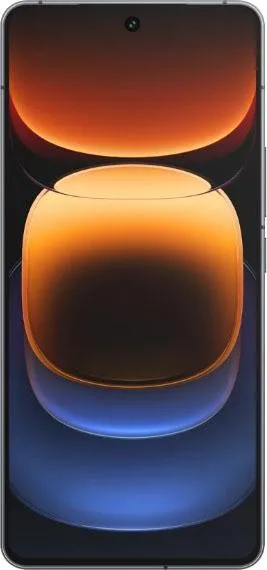
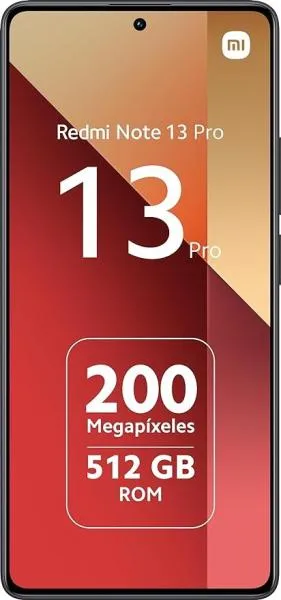
vivo iQOO 12 vs. Xiaomi Redmi Note 13 Pro 4G: A Deep Dive
Let's dissect the vivo iQOO 12 and Xiaomi Redmi Note 13 Pro 4G, two intriguing contenders in the mid-range smartphone arena. We'll go beyond the spec sheet to uncover what these numbers truly mean for your daily life.
1. Specifications Breakdown
| Feature | vivo iQOO 12 | Xiaomi Redmi Note 13 Pro 4G | Real-World Implications |
|---|---|---|---|
| Design | |||
| Dimensions | 163.2 x 75.9 x 8.1 mm | 161.1 x 75 x 8 mm | iQOO 12 slightly taller and thicker. Negligible difference in hand feel. |
| Weight | 198.5 g | 188 g | Redmi Note 13 Pro slightly lighter, but both are in a comfortable range. |
| Display | |||
| Display Type | LTPO AMOLED, 1B colors, 144Hz, HDR10+ | AMOLED, 1B colors, 120Hz | iQOO 12: Smoother animations and scrolling with adaptive refresh rate, more power efficient. Superior HDR experience. |
| Resolution | 1260 x 2800 | 1080 x 2400 | iQOO 12: Sharper, more detailed visuals. |
| Peak Brightness | 3000 nits | 1300 nits | iQOO 12: Significantly brighter, exceptional outdoor visibility. |
| Performance | |||
| Chipset | Snapdragon 8 Gen 3 (4 nm) | Mediatek Helio G99 Ultra | iQOO 12: Vastly superior processing power, smoother multitasking, demanding gaming. |
| CPU | Octa-core (1x3.3 GHz Cortex-X4 & ...) | Octa-core (2x2.2 GHz Cortex-A76 & ...) | iQOO 12: Flagship-level CPU performance. Redmi Note 13 Pro: Capable for daily tasks, but limitations in demanding applications. |
| GPU | Adreno 750 | Mali-G57 MC2 | iQOO 12: High-end graphics performance for gaming and visually intensive tasks. |
| RAM | 16GB | 8GB/12GB | iQOO 12: More headroom for multitasking and demanding applications. |
| Storage | 512GB/1TB | 256GB/512GB | Ample storage options on both, but iQOO 12 offers higher capacities. |
| Battery | |||
| Capacity | 5000 mAh | 5000 mAh | Similar battery capacity, but real-world usage will vary due to chipset efficiency. |
2. Key Insights
The iQOO 12 boasts a flagship-level Snapdragon 8 Gen 3, decimating the Redmi Note 13 Pro's Helio G99 in performance. This translates to a noticeably smoother, faster experience across all tasks, especially demanding games and applications. The iQOO 12 also features a superior display with a higher resolution, refresh rate, and breathtaking peak brightness.
The Redmi Note 13 Pro, while less powerful, likely comes at a more accessible price point. It's a competent device for everyday tasks, but falls short for power users.
3. User Profiles and Recommendations
- iQOO 12: Ideal for gamers, power users, and anyone demanding top-tier performance and a premium display. If you value a fluid, responsive experience and future-proof hardware, the iQOO 12 is a strong contender.
- Redmi Note 13 Pro 4G: Suited for budget-conscious users who prioritize essential features and reliable performance for everyday tasks like social media, browsing, and light gaming.
4. Buying Decision Framework
- What is your budget? The iQOO 12, with its flagship specs, will likely command a higher price.
- What are your primary use cases? For demanding tasks, the iQOO 12 is the clear winner. For casual use, the Redmi Note 13 Pro may suffice.
- How important is display quality? The iQOO 12's superior display is a major differentiator.
My Choice: I would choose the vivo iQOO 12. As a tech journalist focused on performance and emerging technologies, the Snapdragon 8 Gen 3's capabilities and the stunning display are incredibly appealing. I value a future-proof device that can handle demanding tasks without breaking a sweat, and the iQOO 12 delivers that, even if it comes at a premium. The superior screen also significantly enhances content consumption and creative workflows. While the Redmi Note 13 Pro 4G offers solid value, the iQOO 12's significant performance and display advantages make it the compelling choice for my needs.
