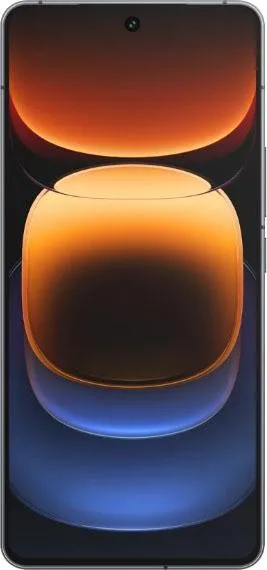
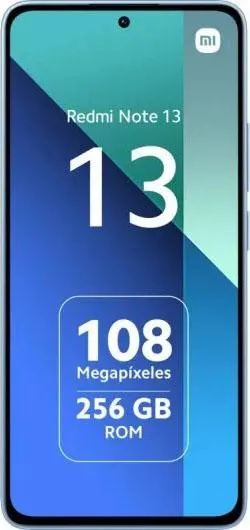
1. Specifications Comparison
| Feature | vivo iQOO 12 | Xiaomi Redmi Note 13 4G | Practical Impact |
|---|---|---|---|
| Design | |||
| Dimensions (mm) | 163.2 x 75.9 x 8.1 | 162.3 x 75.6 x 8.0 | Virtually identical in size and feel. |
| Weight (g) | 198.5 | 188.5 | iQOO 12 is noticeably heavier. May impact one-handed use. |
| Build Materials | Not specified | Not specified | Cannot compare build quality and durability. |
| Display | |||
| Display Type | LTPO AMOLED, 1B colors | AMOLED | iQOO 12 offers superior color accuracy and potentially better power efficiency with LTPO. |
| Size (inches) | 6.78 | 6.67 | Negligible difference in screen real estate. |
| Resolution | 1260 x 2800 | 1080 x 2400 | iQOO 12 has a significantly sharper display, noticeable in text clarity and image detail. |
| Refresh Rate (Hz) | 144 | 120 | iQOO 12 provides smoother scrolling and animations, especially in games. |
| Peak Brightness (nits) | 3000 | 1800 | iQOO 12 is drastically brighter, ensuring excellent outdoor visibility. |
| Performance | |||
| Chipset | Snapdragon 8 Gen 3 (4nm) | Snapdragon 685 (6nm) | iQOO 12 boasts a flagship-level processor, resulting in significantly faster performance in demanding tasks and games. |
| CPU | Octa-core (1x3.3 GHz Cortex-X4 & 3x3.2 GHz Cortex-A720 & 2x3.0 GHz Cortex-A720 & 2x2.3 GHz Cortex-A520) | Octa-core (4x2.8 GHz Cortex-A73 & 4x1.9 GHz Cortex-A53) | iQOO 12's CPU offers superior performance in multi-tasking and demanding applications. |
| GPU | Adreno 750 | Adreno 610 | iQOO 12 will provide a much better gaming experience with higher frame rates and detail. |
| RAM/Storage | 512GB/16GB, 1TB/16GB | 128GB/8GB, 256GB/8GB | iQOO 12 offers significantly more RAM and storage for smoother multitasking and ample file storage. |
| Camera | |||
| Rear Camera | Not specified | Not specified | Camera quality cannot be compared due to missing specifications. |
| Video Capabilities | 8K@30fps, 4K@60fps, ... | 1080p@30fps | iQOO 12 offers substantially better video recording capabilities with higher resolutions and frame rates. |
| Battery | |||
| Capacity (mAh) | 5000 | 5000 | Similar battery capacity. Real-world battery life will depend on software optimization and usage patterns. |
2. Key Differences Analysis
vivo iQOO 12 Advantages:
- Significantly higher performance: The Snapdragon 8 Gen 3 provides a massive leap in processing power compared to the Snapdragon 685.
- Superior display: Sharper resolution, higher refresh rate, brighter panel, and better color accuracy enhance the visual experience.
- More RAM and storage: Enables smoother multitasking and ample space for apps and files.
- Advanced video recording: Supports higher resolutions and frame rates.
Xiaomi Redmi Note 13 4G Advantages:
- Lighter weight: More comfortable for extended one-handed use.
- Potentially lower price: Likely more budget-friendly given the lower-end specifications.
Trade-offs: The iQOO 12's superior performance and display come at the cost of higher weight and potentially higher price. The Redmi Note 13 4G prioritizes affordability and lighter weight, sacrificing performance and display quality.
3. User Profiles & Recommendations
vivo iQOO 12: Ideal for power users, gamers, and those who prioritize a premium visual experience. Excellent for demanding tasks, content creation, and high-end gaming.
Xiaomi Redmi Note 13 4G: Suitable for budget-conscious users with basic needs like web browsing, social media, and casual photography. A good option for those seeking a lightweight and affordable device.
4. Decision Framework
Key Questions:
- What is your budget? The iQOO 12 will likely be more expensive.
- What are your primary use cases? Gaming and demanding tasks benefit from the iQOO 12's power.
- Do you prioritize display quality and performance or affordability and lightweight design?
My Choice: vivo iQOO 12
While lacking some specifics like camera details, the vivo iQOO 12 is clearly the superior device based on the available information. The substantial performance difference, the vastly improved display, and the greater RAM/storage options make it a compelling choice for my needs. I prioritize a smooth and responsive user experience, especially for tasks like gaming and multitasking, making the iQOO 12's powerful hardware a decisive factor. The added weight is a minor trade-off for the significant performance gains. While the Redmi Note 13 4G offers a more budget-friendly option, the compromises in performance and display are too significant for me to consider. I am willing to invest in a device that offers a premium and future-proof experience.
