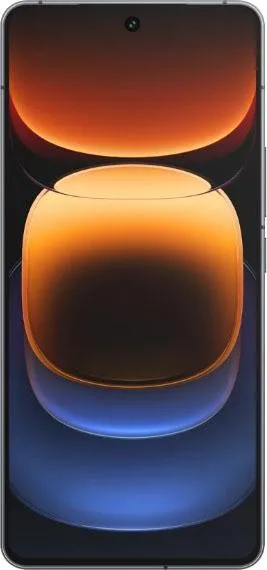
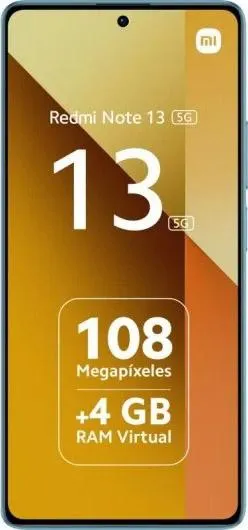
1. Specifications Comparison
| Feature | vivo iQOO 12 | Xiaomi Redmi Note 13 | Practical Impact |
|---|---|---|---|
| Design | |||
| Dimensions | 163.2 x 75.9 x 8.1 mm | 161.1 x 75 x 7.6 mm | Redmi Note 13 is slightly smaller and thinner, potentially more pocketable. |
| Weight | 198.5 g | 174.5 g | Redmi Note 13 is noticeably lighter, reducing hand fatigue during extended use. |
| Fingerprint Sensor | Under display | Side-mounted | Preference-based, but under-display is often perceived as more modern. |
| Display | |||
| Display Type | LTPO AMOLED, 1B colors | AMOLED, 1B colors | iQOO 12 uses LTPO for potentially better power efficiency with variable refresh rate. Both offer vibrant colors. The asterisk () next to Redmi Note 13's color spec suggests a potential difference in color accuracy or gamut coverage that needs clarification. | |
| Size | 6.78" | 6.67" | Negligible difference in screen real estate. |
| Resolution | 1260 x 2800 | 1080 x 2400 | iQOO 12 boasts significantly sharper visuals due to higher resolution. |
| Refresh Rate | 144Hz | 120Hz | iQOO 12 offers smoother animations and scrolling, especially noticeable in gaming and fast-paced content. |
| Peak Brightness | 3000 nits | 1000 nits | iQOO 12 will be far more readable in direct sunlight. |
| Performance | |||
| Chipset | Snapdragon 8 Gen 3 (4nm) | Mediatek Dimensity 6080 (6nm) | iQOO 12 features a significantly more powerful processor, resulting in much faster performance in demanding tasks like gaming and multitasking. |
| CPU | Octa-core (1x3.3 GHz X4 & 3x3.2 GHz A720 & 2x3.0 GHz A720 & 2x2.3 GHz A520) | Octa-core (2x2.4 GHz A76 & 6x2.0 GHz A55) | iQOO 12's CPU architecture is more modern and powerful. |
| GPU | Adreno 750 | Mali-G57 MC2 | iQOO 12's GPU provides significantly better graphics performance for gaming. |
| RAM/Storage | 512GB/16GB, 1TB/16GB | 256GB/8GB, 256GB/12GB | iQOO 12 offers double the RAM in its base model, ensuring smoother multitasking and better performance. Larger storage options also available on iQOO 12. |
| Camera | |||
| Video Capabilities | 8K@30fps, 4K@ up to 60fps, 1080p@ up to 240fps | 1080p@30fps | iQOO 12 provides significantly more versatile and higher quality video recording options. Notably missing are details on photo capabilities for both phones. |
| Battery | |||
| Capacity | 5000 mAh | 5000 mAh | Similar battery capacity, but real-world battery life will depend on software optimization and display power consumption. |
2. Key Differences Analysis
- Performance: The iQOO 12 vastly outperforms the Redmi Note 13 due to its flagship Snapdragon 8 Gen 3 processor. This translates to a smoother, faster experience in all tasks, especially demanding ones like gaming and video editing.
- Display: The iQOO 12's display is superior in resolution, refresh rate, and peak brightness, providing a significantly better visual experience.
- Price: The Redmi Note 13 is positioned in the "low price" range, making it significantly more affordable than the iQOO 12's "medium price" range. This is the major trade-off.
3. User Profiles & Recommendations
- iQOO 12: Ideal for power users, gamers, and those who prioritize top-tier performance and a premium display. Best for demanding tasks, content creation, and immersive media consumption.
- Redmi Note 13: Suitable for budget-conscious users who prioritize affordability over top-end performance. Best for everyday tasks like browsing, social media, and light gaming.
4. Decision Framework
- What is your budget? The Redmi Note 13 is a budget-friendly option, while the iQOO 12 is a more premium investment.
- What are your primary use cases? If you need top performance for gaming or demanding tasks, the iQOO 12 is essential. For basic tasks, the Redmi Note 13 is sufficient.
- How important is display quality? If you value a bright, sharp, and smooth display, the iQOO 12 is the clear winner.
My Choice: vivo iQOO 12
While the Redmi Note 13 offers excellent value for its price, the vivo iQOO 12 is the superior device overall. Its flagship-level performance, stunning display, and advanced features justify the higher price for my needs. I prioritize a smooth and responsive user experience, especially for gaming and media consumption, which the iQOO 12 delivers in spades. The significantly faster processor, brighter and sharper display, and superior video recording capabilities are crucial factors for me. While the Redmi Note 13 is a compelling budget option, the iQOO 12's advantages outweigh the price difference for my usage patterns.
