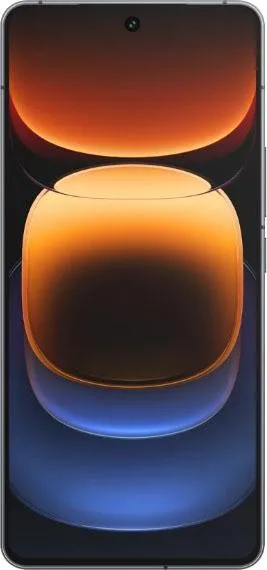
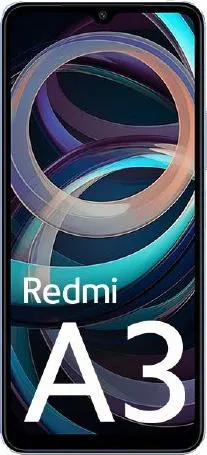
1. Specifications Comparison
| Feature | vivo iQOO 12 | Xiaomi Redmi A3 | Practical Impact |
|---|---|---|---|
| Design | |||
| Dimensions | 163.2 x 75.9 x 8.1 mm | 168.3 x 76.3 x 8.3 mm | The iQOO 12 is slightly smaller and thinner. |
| Weight | 198.5 g | 193 g | Negligible weight difference in practical use. |
| Build | Not specified | Not specified | Material differences could impact durability and premium feel; information lacking. |
| Display | |||
| Display Type | LTPO AMOLED, 1B colors, 144Hz | IPS LCD, 90Hz | iQOO 12 offers superior contrast, color accuracy, smoother scrolling, and potentially better power efficiency due to LTPO. |
| Resolution | 1260 x 2800 | 720 x 1650 | Significantly sharper and more detailed visuals on the iQOO 12. |
| Refresh Rate | 144Hz | 90Hz | Smoother animations and transitions on the iQOO 12, especially noticeable in gaming and scrolling. |
| Peak Brightness | 3000 nits | 500 nits | iQOO 12 will be vastly more visible in direct sunlight. |
| Performance | |||
| Chipset | Snapdragon 8 Gen 3 (4nm) | Helio G36 (12nm) | The iQOO 12 will offer significantly faster performance, better multitasking, and smoother gaming due to a vastly more powerful chipset. |
| CPU | Octa-core (1x3.3 GHz Cortex-X4 & 3x3.2 GHz Cortex-A720 & 2x3.0 GHz Cortex-A720 & 2x2.3 GHz Cortex-A520) | Octa-core (4x2.2 GHz Cortex-A53 & 4x1.6 GHz Cortex-A53) | iQOO 12 boasts significantly faster CPU cores, resulting in a much smoother and responsive user experience. |
| GPU | Adreno 750 | PowerVR GE8320 | Much more powerful GPU in the iQOO 12, enabling high-end gaming and demanding graphical tasks. |
| RAM/Storage | 512GB/16GB, 1TB/16GB | 128GB/4GB, 128GB/6GB | iQOO 12 provides considerably more RAM and storage for smoother multitasking, faster app loading, and ample space for files. |
| Camera | |||
| Rear Camera | Not specified | Not specified | Cannot compare camera quality without detailed specifications. |
| Video | 8K@30fps, up to 1080p@240fps | 1080p@30fps | iQOO 12 offers significantly higher video resolution and frame rate options. |
| Battery | |||
| Capacity | 5000 mAh | 5000 mAh | Similar battery capacity, but real-world battery life will depend on software optimization and display efficiency. |
2. Key Differences Analysis
vivo iQOO 12 Advantages:
- Flagship Performance: Significantly faster processor, GPU, and more RAM.
- Superior Display: Higher resolution, refresh rate, brighter, and AMOLED technology.
- Advanced Video Capabilities: 8K recording and higher frame rates.
Xiaomi Redmi A3 Advantages:
- Lower Price: Positioned in the low price range.
- Potentially Longer Battery Life: Lower resolution display and less powerful processor might result in longer battery life, though this is not guaranteed.
3. User Profiles & Recommendations
vivo iQOO 12: Ideal for users who prioritize performance, a high-quality display, and advanced features like high-resolution video recording. Suitable for demanding tasks like gaming, video editing, and multitasking.
Xiaomi Redmi A3: Best suited for budget-conscious users who prioritize basic functionality like calling, texting, browsing, and social media. Not recommended for demanding tasks or users who value a premium display experience.
4. Decision Framework
Key Questions:
- What is your budget? The iQOO 12 is a significantly more expensive device.
- What are your primary use cases? For basic tasks, the Redmi A3 might suffice. For demanding tasks, the iQOO 12 is necessary.
- How important is display quality and performance? The iQOO 12 offers a dramatically better display and performance.
Scenario-Based Recommendations:
- Gamer: iQOO 12
- Casual User: Redmi A3
- Photographer/Videographer: iQOO 12 (assuming its camera specs are competitive, which cannot be determined from the provided data)
My Choice: vivo iQOO 12
While I lack camera details for the iQOO 12, its clear superiority in performance, display quality, and overall feature set makes it the compelling choice. The Snapdragon 8 Gen 3, coupled with the high refresh rate AMOLED screen, promises a fluid and engaging user experience. While the Redmi A3 offers a budget-friendly option, the compromises in performance and display are substantial. For my needs, which likely include multitasking, content consumption, and occasional gaming, the iQOO 12's advantages significantly outweigh the price difference. The Redmi A3 feels like a device aimed at extremely budget-conscious users who prioritize basic functionality above all else.
