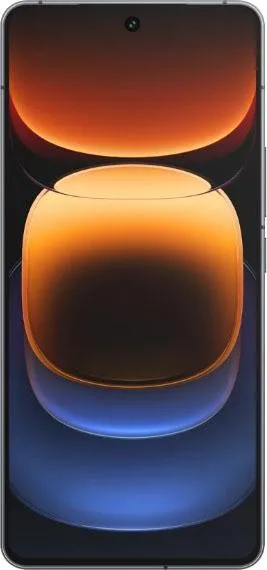
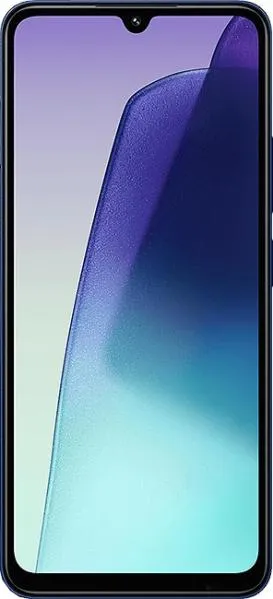
Let's dive into a comparative analysis of the vivo iQOO 12 and the Xiaomi Redmi 14C, dissecting their specifications and uncovering what they mean for you, the user.
1. Specifications Breakdown
| Feature | vivo iQOO 12 | Xiaomi Redmi 14C | Real-World Implications |
|---|---|---|---|
| Design | |||
| Dimensions | 163.2 x 75.9 x 8.1 mm | 171.9 x 77.8 x 8.2 mm | iQOO 12 is slightly smaller and thinner, potentially more comfortable for one-handed use. |
| Weight | 198.5 g | 211 g | iQOO 12 is noticeably lighter, reducing hand fatigue during extended use. |
| Display | |||
| Type | LTPO AMOLED | IPS LCD | iQOO 12 offers superior contrast, deeper blacks, and more vibrant colors. Outdoors visibility is much better. |
| Size | 6.78 inches | 6.88 inches | Redmi 14C has a slightly larger screen, providing more screen real estate. |
| Resolution | 1260 x 2800 | 720 x 1640 | iQOO 12 boasts significantly sharper visuals due to its much higher resolution. |
| Refresh Rate | 144Hz | 120Hz | iQOO 12 offers smoother scrolling and animations, especially noticeable in gaming. |
| Peak Brightness | 3000 nits | 600 nits | iQOO 12 excels in bright sunlight readability. |
| Performance | |||
| Chipset | Snapdragon 8 Gen 3 (4 nm) | Mediatek Helio G81 Ultra | iQOO 12 provides vastly superior processing power, enabling seamless multitasking and demanding gaming. |
| CPU | Octa-core (1x3.3 GHz Cortex-X4...) | Octa-core (2x2.0 GHz Cortex-A75...) | iQOO 12's CPU architecture offers significantly better performance across the board. |
| GPU | Adreno 750 | Mali-G52 MC2 | iQOO 12's GPU delivers a far superior gaming and graphics-intensive application experience. |
| RAM | 16GB | 6GB/8GB | iQOO 12 offers significantly more RAM, enabling smoother multitasking and faster app loading. |
| Storage | 512GB/1TB | 128GB | iQOO 12 provides much larger storage options. |
| Battery | |||
| Capacity | 5000 mAh | 5160 mAh | Redmi 14C has a slightly larger battery capacity, but real-world battery life depends on optimization. |
| Other | |||
| OS | Android 14 | Android 14 | Both phones run on the latest Android version. |
| NFC | Yes | Yes | Both phones support contactless payments. |
2. Key Insights
The vivo iQOO 12 is a flagship-level device offering top-tier performance, a stunning display, and fast charging. Its Snapdragon 8 Gen 3 chip, coupled with 16GB of RAM, ensures a blazing-fast and smooth user experience. The 144Hz LTPO AMOLED display delivers vibrant visuals and exceptional responsiveness.
The Xiaomi Redmi 14C, on the other hand, is a budget-friendly option prioritizing affordability. While it offers a large display and long battery life, its performance capabilities are significantly lower than the iQOO 12.
3. User Profiles and Recommendations
iQOO 12: Ideal for power users, gamers, and those seeking the best possible performance and display quality. If you demand a premium experience and are willing to invest, the iQOO 12 is the clear winner.
Redmi 14C: Suitable for budget-conscious users who prioritize basic functionality, long battery life, and a large screen for media consumption. If your usage is primarily focused on communication, web browsing, and light tasks, the Redmi 14C offers decent value.
4. Buying Decision Framework
- What is your budget? The iQOO 12 is significantly more expensive.
- What are your primary use cases? Gaming, demanding apps, and media creation favor the iQOO 12. Basic tasks and media consumption make the Redmi 14C a viable option.
- How important is performance and display quality? If these are top priorities, the iQOO 12 is the clear choice.
My Choice: vivo iQOO 12
As a tech journalist focused on performance and user experience, I would choose the vivo iQOO 12. The sheer power and responsiveness offered by the Snapdragon 8 Gen 3, combined with the stunning 144Hz AMOLED display, create a truly premium and enjoyable user experience. While the Redmi 14C offers good value for its price, the significant difference in performance, display quality, and overall user experience makes the iQOO 12 the compelling choice for me. I appreciate the fluidity of high refresh rate displays, the responsiveness of a powerful chipset, and the vibrant colors of a high-quality AMOLED panel. These factors significantly enhance my daily workflow and leisure activities. The price premium is justified by the substantial uplift in quality and capabilities.
