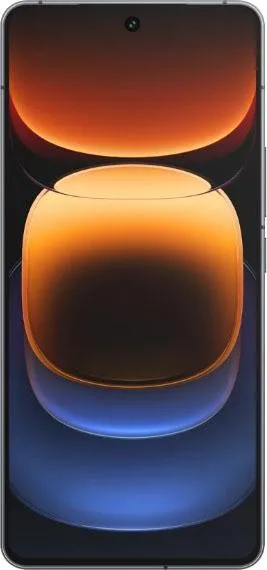
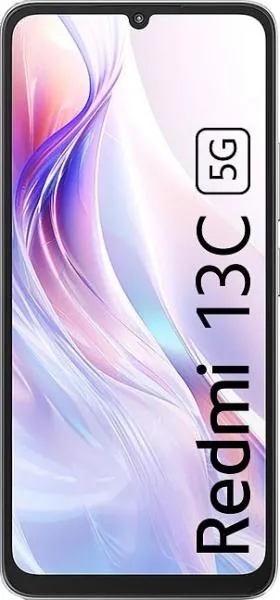
Let's dive into a comparative analysis of the vivo iQOO 12 and the Xiaomi Redmi 13C 5G, dissecting their specifications and uncovering what they truly offer the user.
1. Specifications Breakdown
| Feature | vivo iQOO 12 | Xiaomi Redmi 13C 5G | Real-World Implications |
|---|---|---|---|
| Design | |||
| Dimensions | 163.2 x 75.9 x 8.1 mm | 168 x 78 x 8.1mm | iQOO 12 is slightly more compact. |
| Weight | 198.5g | 192g | Negligible difference in weight. |
| Display | |||
| Display Type | LTPO AMOLED, 1B colors, HDR10+ | IPS LCD | iQOO 12 offers superior color accuracy, contrast, and power efficiency. Outdoors visibility significantly better |
| Size | 6.78" | 6.74" | Negligible difference in size. |
| Resolution | 1260 x 2800 | 720 x 1600 | iQOO 12 boasts much sharper visuals. Redmi's resolution is quite low for its size. |
| Refresh Rate | 144Hz | 90Hz | Smoother animations and scrolling on the iQOO 12. Noticeable in games and everyday use. |
| Peak Brightness | 3000 nits | 600 nits | iQOO 12 will be far more readable in direct sunlight. |
| Performance | |||
| Chipset | Snapdragon 8 Gen 3 (4nm) | Mediatek Dimensity 6100+ (6nm) | iQOO 12 provides significantly faster processing, better gaming, and smoother multitasking. |
| CPU | Octa-core (up to 3.3 GHz) | Octa-core (up to 2.2 GHz) | iQOO 12 offers a substantial performance advantage in demanding tasks. |
| GPU | Adreno 750 | Mali-G57 MC2 | iQOO 12 delivers superior graphics performance for gaming and visually intensive applications. |
| RAM | 16GB | 6GB | iQOO 12 allows for more apps to run in the background and handle heavier multitasking with ease. |
| Storage | 512GB/1TB | 128GB | More storage options and significantly higher base storage on the iQOO 12. |
| Battery | |||
| Capacity | 5000 mAh | 5000 mAh | Similar battery capacity, but real-world usage will vary due to display and processor differences. |
| Other | |||
| OS | Android 14 | Android 13 | iQOO 12 comes with the latest Android version. |
| NFC | Yes | No | iQOO 12 supports contactless payments and data transfer. |
| Sensors | More comprehensive | Basic sensors | iQOO 12 offers additional sensors like a gyroscope and color spectrum for a potentially enhanced experience. |
2. Key Insights
- Performance Disparity: The iQOO 12, powered by the Snapdragon 8 Gen 3, significantly outperforms the Redmi 13C 5G in processing power, graphics capabilities, and multitasking. This translates to a smoother, faster experience across all applications, especially demanding games and productivity tasks.
- Display Quality: The iQOO 12's LTPO AMOLED display with a 144Hz refresh rate and HDR10+ support provides vibrant colors, deep blacks, incredible brightness, and exceptionally smooth scrolling. The Redmi 13C 5G's IPS LCD with a 90Hz refresh rate simply can't compete in terms of visual quality or responsiveness.
- Premium vs. Budget: The iQOO 12 positions itself as a premium device, while the Redmi 13C 5G targets the budget-conscious consumer. This is reflected in the materials, features (NFC, advanced sensors), and overall performance.
3. User Profiles and Recommendations
- vivo iQOO 12: Ideal for power users, gamers, and those who demand top-tier performance, a stunning display, and the latest features. The extra RAM ensures seamless multitasking, and the ample storage accommodates large files and applications.
- Xiaomi Redmi 13C 5G: Suitable for users on a tight budget who prioritize basic functionality like calling, texting, web browsing, and social media. It's a decent entry-level 5G phone but compromises on performance and display quality.
4. Buying Decision Framework
- What is your budget? The iQOO 12 comes at a higher price point due to its superior hardware. If price is a major constraint, the Redmi 13C 5G is a more affordable option.
- What is your primary use case? For demanding tasks like gaming, video editing, or heavy multitasking, the iQOO 12's performance is essential. If your usage is primarily light, the Redmi 13C 5G might suffice.
- How important is display quality? If you value a vibrant, sharp, and responsive display, the iQOO 12's AMOLED screen is a significant advantage.
My Choice: vivo iQOO 12
As a tech journalist who values performance, a fluid user experience, and a top-notch display, I would choose the vivo iQOO 12 without hesitation. The Snapdragon 8 Gen 3, coupled with the 144Hz LTPO AMOLED screen, promises a blazing-fast and visually stunning experience. While the Redmi 13C 5G offers decent value for its price, the compromises in performance and display quality are too significant for my needs. The iQOO 12 is an investment in a premium mobile experience that will undoubtedly enhance productivity, entertainment, and daily usage. The inclusion of NFC for contactless payments further solidifies its position as a more versatile and future-proof device.
