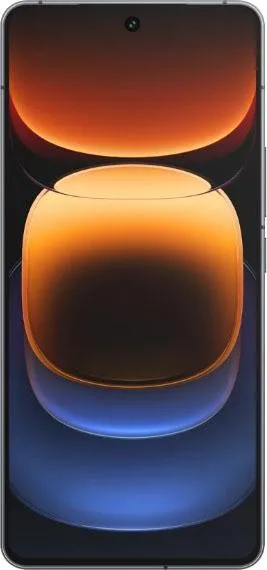
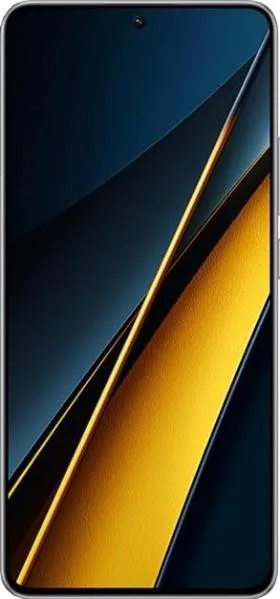
1. Specifications Comparison
| Feature | vivo iQOO 12 | Xiaomi Poco X6 Pro | Practical Impact |
|---|---|---|---|
| Design | |||
| Dimensions | 163.2 x 75.9 x 8.1 mm | 160.5 x 74.3 x 8.3 mm | Poco X6 Pro is slightly smaller and may feel more comfortable in hand, but the difference is minimal. |
| Weight | 198.5 g | 186 g | Poco X6 Pro is noticeably lighter, reducing hand fatigue during extended use. |
| Build Materials | Not specified | Not specified | Cannot compare build quality and durability without this information. |
| Display | |||
| Display Type | LTPO AMOLED | AMOLED | Both offer vibrant colors and deep blacks. iQOO 12's LTPO panel allows for dynamic refresh rate adjustment, potentially saving battery. |
| Display Size | 6.78" | 6.67" | Negligible difference in screen real estate. |
| Resolution | 1260 x 2800 | 1220 x 2712 | iQOO 12 has a slightly sharper display, but the difference is unlikely to be noticeable in everyday use. |
| Refresh Rate | 144Hz | 120Hz | iQOO 12 offers smoother animations and scrolling, especially noticeable in gaming and fast-paced content. |
| Peak Brightness | 3000 nits | 1800 nits | iQOO 12 will be significantly more readable in direct sunlight. |
| Performance | |||
| Chipset | Snapdragon 8 Gen 3 | Dimensity 8300 Ultra | Snapdragon 8 Gen 3 generally offers superior performance in demanding tasks and gaming. |
| CPU | Octa-core (1x3.3 GHz Cortex-X4 & 3x3.2 GHz Cortex-A720 & 2x3.0 GHz Cortex-A720 & 2x2.3 GHz Cortex-A520) | Octa-core (1x3.35 GHz Cortex-A715 & 3x3.20 GHz Cortex-A715 & 4x2.20 GHz Cortex-A510) | Snapdragon 8 Gen 3's architecture suggests better performance, especially in sustained workloads. |
| GPU | Adreno 750 | Mali G615-MC6 | Adreno 750 provides a significant advantage in graphics performance for gaming and visually intensive applications. |
| RAM | 16GB | 12GB | iQOO 12 offers more RAM for smoother multitasking and better handling of demanding apps. |
| Storage | 512GB/1TB | 256GB/512GB | Both offer ample storage, but iQOO 12 provides a higher maximum capacity. |
| Battery | |||
| Capacity | 5000 mAh | 5000 mAh | Similar battery capacity suggests comparable battery life, but real-world usage will depend on optimization and display characteristics. |
| Charging Speed | Not specified | Not specified | Cannot compare charging speeds without this information. |
| Camera | |||
| Rear Camera | Not specified | Not specified | Camera quality cannot be compared without detailed specifications. |
| Front Camera | Not specified | Not specified | Camera quality cannot be compared without detailed specifications. |
| Other | |||
| OS | Android 14 | Android 14 | Both run the latest Android version. Poco X6 Pro has a longer promised update cycle. |
| OS Max Version | 16 | 17 | Poco X6 Pro will likely receive more major OS updates. |
| NFC | Yes | Yes | Both support contactless payments and data transfer. |
2. Key Differences Analysis
vivo iQOO 12 Advantages:
- Superior Performance: Snapdragon 8 Gen 3, more RAM, and a more powerful GPU deliver a significant performance advantage for demanding tasks and gaming.
- Smoother Display: 144Hz refresh rate and LTPO technology provide a more fluid and responsive visual experience.
- Brighter Display: Much higher peak brightness ensures excellent outdoor visibility.
Xiaomi Poco X6 Pro Advantages:
- Lighter and More Compact: Slightly smaller and lighter, making it more comfortable for one-handed use.
- Potentially Longer Software Support: Promised updates to Android 17 suggest a longer lifespan.
- Potentially Lower Price: While both are in the "medium price" range, Poco phones generally offer competitive pricing.
3. User Profiles & Recommendations
vivo iQOO 12: Ideal for users who prioritize performance, a smooth and bright display, and are willing to pay a premium for the latest hardware. Excellent for mobile gamers, power users, and those consuming high-resolution media.
Xiaomi Poco X6 Pro: Suitable for users seeking a balance of performance, battery life, and affordability. A good choice for everyday tasks, social media, web browsing, and light gaming. The longer software support is a significant plus for long-term use.
4. Decision Framework
Key Questions for Buyers:
- What is your budget? The iQOO 12 will likely be more expensive.
- What are your primary use cases? Gaming and demanding tasks favor the iQOO 12; everyday use favors the Poco X6 Pro, especially if software updates are a priority.
- How important is display quality and brightness? The iQOO 12 significantly outperforms in this area.
Scenario-Based Recommendations:
- Gamer: vivo iQOO 12
- Everyday User on a Budget: Xiaomi Poco X6 Pro
- Power User: vivo iQOO 12
My Choice: vivo iQOO 12
While the Poco X6 Pro offers a compelling value proposition with its lighter weight and potential for longer software updates, the vivo iQOO 12's superior performance, smoother and brighter display, and larger RAM capacity make it the better choice for me. I prioritize a fluid and responsive user experience, especially for gaming and demanding applications. The Snapdragon 8 Gen 3's significant performance advantage and the iQOO 12's 144Hz LTPO display are compelling features that outweigh the Poco X6 Pro's benefits in my personal use case. I am willing to pay a premium for the noticeable improvements in performance and display quality.
