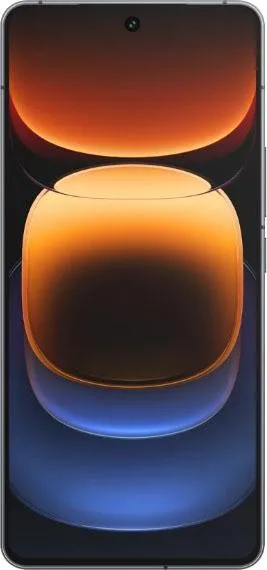
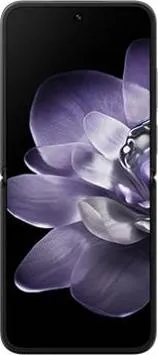
1. Specifications Comparison
| Feature | vivo iQOO 12 | Xiaomi Mix Flip | Practical Impact |
|---|---|---|---|
| Design | |||
| Dimensions | 163.2 x 75.9 x 8.1 mm | 167.5 x 74 x 7.6 mm | The Mix Flip is slightly taller and narrower when unfolded, but significantly more compact when folded. iQOO 12 is thinner. |
| Weight | 198.5 g | 190 g | Mix Flip is slightly lighter despite the folding mechanism. |
| Foldable | No | Yes | Mix Flip offers greater portability and a unique form factor. iQOO 12 is a traditional slab phone. |
| Display | |||
| Size | 6.78" | 6.86" | Mix Flip offers a slightly larger display area. |
| Type | LTPO AMOLED | Foldable LTPO AMOLED | Both offer excellent color accuracy and power efficiency. Foldable nature of Mix Flip introduces a crease. |
| Refresh Rate | 144Hz | 120Hz | iQOO 12 offers smoother scrolling and animations, beneficial for gaming and fast-paced content. |
| Peak Brightness | 3000 nits | 3000 nits | Both offer excellent outdoor visibility. |
| Resolution | 1260 x 2800 | 1224 x 2912 | Comparable pixel density, resulting in sharp visuals on both devices. |
| Performance | |||
| Chipset | Snapdragon 8 Gen 3 | Snapdragon 8 Gen 3 | Identical chipsets provide top-tier performance on both devices. |
| CPU | Octa-core (1x3.3 GHz Cortex-X4 & 3x3.2 GHz Cortex-A720 & 2x3.0 GHz Cortex-A720 & 2x2.3 GHz Cortex-A520) | Octa-core (1x3.3 GHz Cortex-X4 & 3x3.2 GHz Cortex-A720 & 2x3.0 GHz Cortex-A720 & 2x2.3 GHz Cortex-A520) | Identical CPU configurations. |
| GPU | Adreno 750 | Adreno 750 | Identical GPUs ensure excellent gaming and graphics performance on both. |
| RAM | 16GB | 12GB | iQOO 12 offers more RAM, potentially improving multitasking and demanding application performance. |
| Storage | 512GB/1TB | 512GB | iQOO 12 offers a 1TB storage option for users needing extensive local storage. |
| Battery | |||
| Capacity | 5000 mAh | 4780 mAh | iQOO 12 has a slightly larger battery, potentially leading to longer battery life. |
| Camera | |||
| Video Capabilities | Up to 8K@30fps | Up to 8K@24fps, 960fps slow-mo | Both offer extensive video recording options. Mix Flip boasts higher slow-motion capabilities. Specific sensor details are missing, making a detailed camera comparison impossible. |
2. Key Differences Analysis
vivo iQOO 12 Advantages:
- Higher Refresh Rate: Smoother visuals for gaming and everyday use.
- Larger Battery: Potentially longer battery life.
- More RAM: Better multitasking and performance for demanding applications.
- More Storage Options: Accommodates users with high storage needs.
Xiaomi Mix Flip Advantages:
- Foldable Design: Enhanced portability and unique form factor.
- Slightly Larger Display: More immersive content consumption.
- Higher Slow-motion Video Recording: Captures detailed slow-motion footage.
3. User Profiles & Recommendations
vivo iQOO 12: Ideal for users prioritizing performance, battery life, and a traditional smartphone experience. Power users, mobile gamers, and those who consume lots of media will appreciate the high refresh rate display and large battery.
Xiaomi Mix Flip: Best suited for users who value portability and a unique, innovative form factor. Those frequently on the go will appreciate the compact folded size. The foldable design can also enable unique usage scenarios, like hands-free video calls.
4. Decision Framework
Key Questions:
- How important is portability? If pocket space is a premium, the Mix Flip's foldable design is a major advantage.
- What are your primary use cases? Gamers and power users will lean towards the iQOO 12's performance advantages.
- What is your budget? The Mix Flip is likely to be more expensive due to its foldable technology.
My Choice: vivo iQOO 12
While the Xiaomi Mix Flip's foldable design is intriguing, the vivo iQOO 12 better suits my needs. I prioritize a smooth and responsive user experience, which the 144Hz display delivers. The larger battery and extra RAM are also significant advantages for my usage pattern, which involves heavy multitasking and extended periods away from a charger. While I appreciate the portability of the Mix Flip, the crease inherent in foldable displays and the potential durability concerns outweigh the benefits for me. The iQOO 12 offers a compelling combination of performance, battery life, and a more traditional, reliable form factor. Ultimately, the lack of detailed camera specifications prevents a complete assessment, but based on the available information, the iQOO 12 appears to be the more well-rounded device for my needs.
