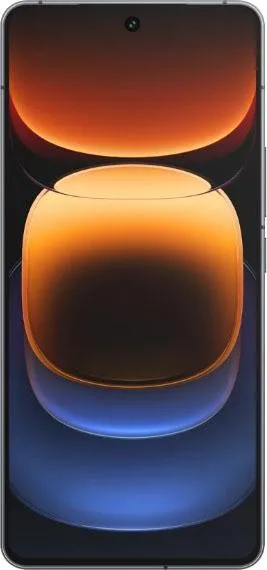

vivo iQOO 12 vs. Xiaomi 14T Pro: A Deep Dive
Let's dissect the vivo iQOO 12 and Xiaomi 14T Pro, two powerful contenders in the mid-range smartphone arena. We'll go beyond the spec sheets to understand what these numbers mean for your daily life.
1. Specifications Breakdown
| Feature | vivo iQOO 12 | Xiaomi 14T Pro | Real-World Implications |
|---|---|---|---|
| Design | |||
| Dimensions | 163.2 x 75.9 x 8.1 mm | 160.4 x 75.1 x 8.4 mm | 14T Pro slightly smaller, iQOO 12 marginally thinner |
| Weight | 198.5g | 209g | Noticeable difference in hand; iQOO 12 feels less bulky |
| Display | |||
| Size | 6.78" | 6.67" | Negligible difference in screen real estate |
| Type | LTPO AMOLED | AMOLED | iQOO 12's LTPO offers better power efficiency with dynamic refresh rate |
| Resolution | 1260x2800 | 1220x2712 | Both sharp; iQOO 12 slightly higher pixel density |
| Refresh Rate | 144Hz | 144Hz | Ultra-smooth scrolling and gaming on both devices |
| Peak Brightness | 3000 nits | 4000 nits | 14T Pro significantly brighter outdoors |
| Performance | |||
| Chipset | Snapdragon 8 Gen 3 | Dimensity 9300+ | 8 Gen 3 generally expected to outperform in benchmarks and sustained performance |
| CPU | Octa-core (1x3.3 GHz Cortex-X4 & 3x3.2 GHz Cortex-A720 & 2x3.0 GHz Cortex-A720 & 2x2.3 GHz Cortex-A520) | Octa-core (1x3.4 GHz Cortex-X4 & 3x2.85 GHz Cortex-X4 & 4x2.0 GHz Cortex-A720) | Both powerful, but architectural differences may favor certain tasks |
| GPU | Adreno 750 | Immortalis-G720 MC12 | Adreno 750 likely has an edge in graphics-intensive tasks |
| RAM | 16GB | 12GB | iQOO 12 offers more RAM for multitasking and future-proofing |
| Storage | 512GB/1TB | 512GB | iQOO 12 offers a 1TB option for power users |
| Battery | |||
| Capacity | 5000 mAh | 5000 mAh | Similar battery life expected, real-world usage will vary |
2. Key Insights
- Display: While both offer stunning displays with 144Hz refresh rates, the iQOO 12's LTPO panel provides granular control over refresh rate, potentially saving battery. The 14T Pro boasts a higher peak brightness, crucial for outdoor visibility.
- Performance: The Snapdragon 8 Gen 3 in the iQOO 12 is expected to deliver a superior overall performance, particularly in sustained workloads and gaming. The 14T Pro's Dimensity 9300+ shouldn't be underestimated, though, and could offer strong competition in specific tasks. The iQOO 12's larger RAM allocation is beneficial for heavy multitasking and demanding applications.
- Design and Build: The iQOO 12 feels slightly more premium in hand due to its lighter weight and slimmer profile. The 14T Pro's slightly larger battery may contribute to its added weight.
3. User Profiles and Recommendations
- vivo iQOO 12: Ideal for power users, mobile gamers, and those who prioritize raw performance and a premium, lightweight feel. The extra RAM and storage options cater to demanding tasks and future-proofing.
- Xiaomi 14T Pro: Suits users who prioritize a brighter display for outdoor use and value a robust, feature-rich device at a potentially more competitive price point.
4. Buying Decision Framework
- What's your budget? Both are mid-range, but the 14T Pro might be slightly more affordable.
- Are you a heavy gamer or multitasker? The iQOO 12's Snapdragon 8 Gen 3 and higher RAM offer a clear advantage here.
- Do you spend a lot of time outdoors? The 14T Pro's superior brightness is invaluable in direct sunlight.
My Choice: The vivo iQOO 12
While the Xiaomi 14T Pro boasts an incredibly bright display, I'd opt for the vivo iQOO 12. The Snapdragon 8 Gen 3's anticipated performance edge, combined with the higher RAM, larger storage options, and the more power-efficient LTPO display, creates a more compelling package for my needs. I prioritize a smooth, responsive experience, especially for gaming and multitasking, and the iQOO 12 seems better equipped to deliver that. The slightly lighter and thinner design is a bonus. While benchmarks will ultimately tell the full story, on paper, the iQOO 12 offers a more well-rounded, future-proof experience.
