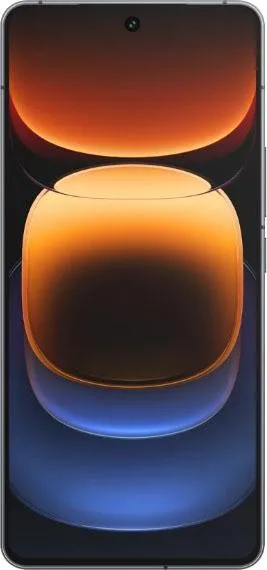
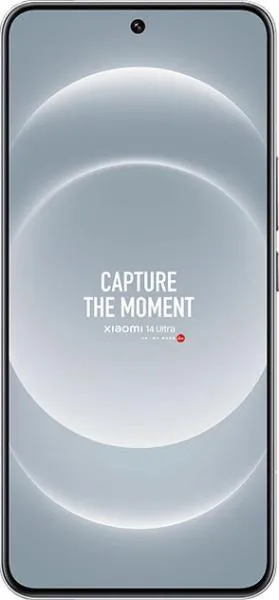
vivo iQOO 12 vs. Xiaomi 14 Ultra: A Deep Dive
Let's dissect the vivo iQOO 12 and Xiaomi 14 Ultra, two powerful contenders in the smartphone arena. We'll go beyond the spec sheet to understand what these numbers mean for you, the user.
1. Specifications Breakdown
| Feature | vivo iQOO 12 | Xiaomi 14 Ultra | Real-World Implications |
|---|---|---|---|
| Design | |||
| Dimensions (mm) | 163.2 x 75.9 x 8.1 | 161.4 x 75.3 x 9.2 | iQOO 12 is slightly taller and wider, but noticeably thinner. Xiaomi 14 Ultra's added thickness might accommodate a larger camera sensor. |
| Weight (g) | 198.5 | 229.5 | Significant weight difference: iQOO 12 feels much lighter in hand, reducing fatigue during extended use. |
| Display | |||
| Size (inches) | 6.78 | 6.73 | Negligible difference in screen real estate. |
| Type | LTPO AMOLED, 1B colors, 144Hz | LTPO AMOLED, 68B colors, 120Hz | Both offer vibrant colors and smooth scrolling. iQOO 12's 144Hz potentially provides a slightly more responsive gaming experience. |
| Resolution | 1260x2800 | 1440x3200 | Xiaomi 14 Ultra boasts a sharper display due to higher pixel density (522 ppi vs 453 ppi). |
| Peak Brightness (nits) | 3000 | 3000 | Both excel in outdoor visibility with exceptionally high peak brightness. |
| Performance | |||
| Chipset | Snapdragon 8 Gen 3 | Snapdragon 8 Gen 3 | Identical chipsets indicate comparable processing power and graphics performance. |
| RAM | 16GB | 16GB | Ample RAM ensures smooth multitasking and demanding app usage on both devices. |
| Storage | 512GB, 1TB | 512GB | iQOO 12 offers a 1TB storage option for users needing extensive local storage. |
| Battery | |||
| Capacity (mAh) | 5000 | 5000 | Similar battery capacities suggest comparable longevity. Real-world battery life will depend on usage patterns and software optimization. |
| Other | |||
| USB | USB Type-C 2.0 | USB Type-C 3.2 Gen 2 | Xiaomi 14 Ultra offers faster data transfer speeds and potentially DisplayPort functionality for connecting to external displays. |
| OS | Android 14, up to Android 16 | Android 14, up to Android 18 | Xiaomi 14 Ultra is promised longer software support, receiving updates for a longer period. |
| Video Capabilities | Up to 8K@30fps, 1080p@240fps | Up to 8K@30fps, 1080p@1920fps (HDR) | Xiaomi 14 Ultra supports higher frame rate slow-motion video recording and HDR video capture across various resolutions, offering more advanced video features. |
2. Key Insights
- Performance Parity: Both phones, powered by the Snapdragon 8 Gen 3, deliver top-tier performance.
- Display Dilemma: The iQOO 12 boasts a faster refresh rate for smoother gaming, but the Xiaomi 14 Ultra offers a sharper, higher resolution display. This boils down to prioritizing responsiveness versus visual detail.
- Weighty Matters: The substantial weight difference is a crucial factor. The iQOO 12's lighter build significantly enhances one-handed usability and reduces fatigue.
- Software Support: Xiaomi's commitment to longer software updates gives the 14 Ultra a long-term advantage.
- Xiaomi's Video Prowess: Content creators will appreciate the Xiaomi 14 Ultra's superior video recording capabilities, including higher frame rate slow-motion and HDR across multiple resolutions.
3. User Profiles and Recommendations
- vivo iQOO 12: Ideal for gamers who prioritize a high refresh rate display and a lightweight, comfortable phone for extended use. Also suitable for users seeking a more affordable option with ample storage.
- Xiaomi 14 Ultra: Best suited for users who demand the sharpest display, extended software support, and cutting-edge video recording features. It's the phone for content creators and those who value long-term device viability.
4. Buying Decision Framework
- Are you a mobile gamer? If a high refresh rate display for the smoothest gaming experience is paramount, the iQOO 12's 144Hz panel is a strong advantage.
- How important is long-term software support? If receiving updates for an extended period is crucial, the Xiaomi 14 Ultra's promise of updates to Android 18 makes it a more future-proof choice.
- Do you prioritize video recording? The Xiaomi 14 Ultra's superior video capabilities make it the clear winner for content creators and videography enthusiasts.
My Choice: Xiaomi 14 Ultra
While the iQOO 12's lighter weight and higher refresh rate are tempting, the Xiaomi 14 Ultra's sharper display, longer software support, superior video features, and faster USB standard make it the more compelling device for me. As a tech journalist, capturing high-quality video is essential, and the 14 Ultra's advanced video capabilities are a significant advantage. While the added weight is a consideration, the overall package offered by the Xiaomi 14 Ultra aligns better with my needs and priorities. The promise of longer-term software updates also contributes to a more future-proof investment.
