1. Specifications Comparison
| Feature | vivo iQOO 12 | TCL 50 SE | Practical Impact |
|---|---|---|---|
| Design | |||
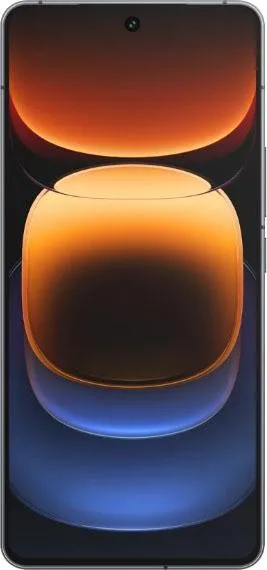
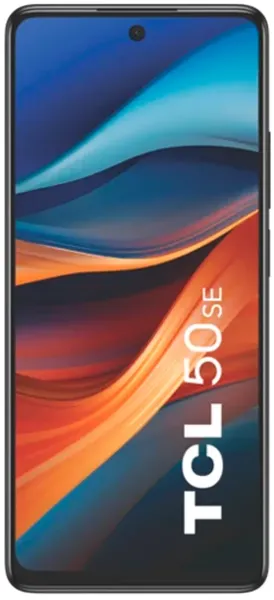
| Dimensions (mm) | 163.2 x 75.9 x 8.1 | 168.2 x 75.5 x 8.1 | iQOO 12 slightly shorter and narrower. Negligible difference in daily use. |
| Weight (g) | 198.5 | 195 | Negligible weight difference. |
| Fingerprint Sensor | Under Display | Side-mounted | Personal preference. Under-display generally perceived as more modern. Side-mounted can be faster and more reliable. |
| Display | |||
| Display Type | LTPO AMOLED | IPS LCD | iQOO 12: Superior contrast, deeper blacks, more vibrant colors, power efficient variable refresh rate. TCL 50 SE: Wider viewing angles, potentially better in direct sunlight. |
| Size (inches) | 6.78 | 6.78 | Same size. |
| Resolution | 1260 x 2800 | 1080 x 2460 | iQOO 12: Sharper, more detailed image. TCL 50 SE: Lower resolution, but still acceptable for general use. Impacts battery life less. |
| Refresh Rate (Hz) | 144 | 90 | iQOO 12: Significantly smoother scrolling and animations, beneficial for gaming. TCL 50 SE: Smooth enough for everyday tasks. |
| Peak Brightness (nits) | 3000 | 550 (typical), no peak listed | iQOO 12: Much brighter, significantly better visibility outdoors. Missing peak brightness for TCL limits comparison but suggests significantly dimmer screen. |
| Performance | |||
| Chipset | Snapdragon 8 Gen 3 (4nm) | Mediatek Helio G88 (12nm) | iQOO 12: Vastly more powerful CPU and GPU, significantly better performance in demanding tasks and games. TCL 50 SE: Entry-level performance, suitable for basic tasks. |
| CPU | Octa-core (1x3.3 GHz & 3x3.2 GHz...) | Octa-core (2x2.0 GHz & 6x1.8 GHz...) | iQOO 12: Much faster CPU, improved multitasking and app loading. |
| GPU | Adreno 750 | Mali-G52 MC2 | iQOO 12: Significantly more powerful GPU, drastically better gaming and graphics performance. |
| RAM | 16GB | 6GB | iQOO 12: More RAM enables smoother multitasking and handling of demanding applications. TCL 50 SE: Sufficient for basic usage, but may struggle with heavy multitasking. |
| Storage | 512GB/1TB | 256GB | iQOO 12: More storage options, suitable for users with large media libraries. |
| Camera | Not specified | Not specified | Insufficient information to compare. |
| Battery | |||
| Capacity (mAh) | 5000 | 5010 | Negligible difference in battery capacity. Real-world battery life will depend more on other factors like display and chipset. |
2. Key Differences Analysis
- iQOO 12 Advantages: Significantly more powerful, superior display, smoother refresh rate, much brighter screen.
- TCL 50 SE Advantages: Potentially longer battery life (due to less demanding components), lower price (inferred).
Trade-offs: The iQOO 12's superior performance and display come at a likely higher price. The TCL 50 SE prioritizes affordability but compromises significantly on performance and display quality.
3. User Profiles & Recommendations
- iQOO 12: Ideal for users who demand top-tier performance, a premium display, and smooth gaming experience. Power users, gamers, and content creators would benefit from its capabilities.
- TCL 50 SE: Best suited for budget-conscious users who prioritize basic functionality for everyday tasks like calling, texting, browsing, and social media. Suitable for light users or as a secondary device.
4. Decision Framework
Key Questions:
- What is your budget? The iQOO 12 will likely be significantly more expensive.
- What are your primary use cases? Gaming, content creation, or demanding apps benefit from the iQOO 12. Basic communication and web browsing suffice with the TCL 50 SE.
- How important is display quality? The iQOO 12's AMOLED display provides a vastly superior visual experience.
My Choice: vivo iQOO 12
While lacking camera details and price, the vivo iQOO 12 is the clear winner based on the provided information. Its superior processor (Snapdragon 8 Gen 3), stunning high refresh rate AMOLED display, and larger RAM capacity offer a vastly improved user experience compared to the TCL 50 SE. The performance difference between the Snapdragon 8 Gen 3 and the Helio G88 is substantial, impacting everything from app loading speeds to gaming capabilities. The significantly brighter and higher resolution display of the iQOO 12 also contributes to a more enjoyable user experience. Even if the iQOO 12 is significantly more expensive, the substantial upgrade in performance and display would likely be worth the investment for me, as I prioritize a smooth and responsive user experience. I am willing to pay more for a future-proof device with top-tier specifications. The TCL 50 SE seems like a decent budget option, but the compromises in performance and display are too significant for my personal preferences.
