1. Specifications Comparison
| Feature | vivo iQOO 12 | Realme C61 | Practical Impact |
|---|---|---|---|
| Design | |||
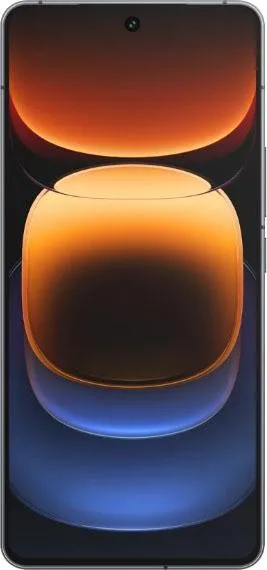
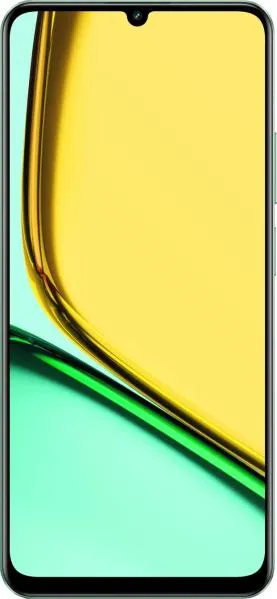
| Dimensions (mm) | 163.2 x 75.9 x 8.1 | 167.3 x 76.7 x 7.8 | iQOO 12 is slightly shorter and narrower, but marginally thicker. Negligible difference in hand feel. |
| Weight (g) | 198.5 | 188 | Realme C61 is noticeably lighter, reducing hand fatigue during extended use. |
| Build Materials | Not specified | Not specified | Cannot compare build quality and durability without more information. |
| Display | |||
| Display Type | LTPO AMOLED, 1B colors | IPS LCD | iQOO 12's AMOLED offers significantly better contrast, deeper blacks, and more vibrant colors. |
| Display Size (inches) | 6.78 | 6.74 | Negligible difference in screen real estate. |
| Resolution | 1260 x 2800 | 720 x 1600 | iQOO 12 has a much sharper and more detailed display. Realme C61's lower resolution will result in pixelation, especially noticeable with text and images. |
| Refresh Rate (Hz) | 144 | 90 | iQOO 12 provides a significantly smoother and more responsive user experience, particularly noticeable in gaming and scrolling. |
| Peak Brightness (nits) | 3000 | 560 (HBM) | iQOO 12's exceptional peak brightness ensures excellent outdoor visibility even in direct sunlight. Realme C61 will struggle in bright conditions. |
| Performance | |||
| Chipset | Snapdragon 8 Gen 3 (4 nm) | Unisoc Tiger T612 (12 nm) | iQOO 12 vastly outperforms the Realme C61 in processing power, enabling demanding tasks like gaming and video editing. Realme C61 is suited for basic tasks. |
| CPU | Octa-core (1x3.3 GHz Cortex-X4 & 3x3.2 GHz Cortex-A720 & 2x3.0 GHz Cortex-A720 & 2x2.3 GHz Cortex-A520) | Octa-core (2x1.8 GHz Cortex-A75 & 6x1.8 GHz Cortex-A55) | iQOO 12's CPU offers significantly faster clock speeds and a more modern architecture, resulting in much faster app loading, multitasking, and overall responsiveness. |
| GPU | Adreno 750 | Mali-G57 | iQOO 12 provides significantly better graphics performance, crucial for gaming and graphically intensive applications. |
| RAM | 16GB | 6GB | iQOO 12's larger RAM allows for seamless multitasking and keeps more apps open in the background without performance degradation. |
| Storage | 512GB/1TB | 256GB | iQOO 12 offers more storage for apps, photos, videos, and other files. |
| Battery | |||
| Capacity (mAh) | 5000 | 5000 | Similar battery capacity suggests comparable battery life, however, real-world usage will vary greatly due to the difference in chipsets and displays. The iQOO 12's more power-hungry components may result in shorter battery life despite the same capacity. |
| Camera | Not enough information to compare | Not enough information to compare | N/A |
2. Key Differences Analysis
iQOO 12 Advantages:
- Flagship Performance: Significantly more powerful processor, GPU, and RAM for demanding tasks.
- Superior Display: Higher resolution, refresh rate, and peak brightness for a dramatically better visual experience.
- Faster Storage: Likely UFS 4.0 storage (based on the chipset) providing significantly faster read/write speeds compared to the Realme C61's eMMC or UFS 2.x storage.
Realme C61 Advantages:
- Lighter Weight: Noticeably less weighty for comfortable one-handed use.
- Lower Price: Significantly more affordable.
3. User Profiles & Recommendations
- iQOO 12: Ideal for power users, gamers, content creators, and anyone who prioritizes performance and a premium display. Excellent for demanding tasks like video editing, gaming, and multitasking.
- Realme C61: Best suited for budget-conscious users who primarily use their phone for basic tasks like calling, texting, browsing, and social media.
4. Decision Framework
Key Questions for Buyers:
- What is your budget? The iQOO 12 is a significantly more expensive device.
- What do you primarily use your phone for? If your usage is limited to basic tasks, the Realme C61 might suffice. For demanding tasks, the iQOO 12 is necessary.
- How important is display quality and performance? The iQOO 12 significantly outperforms the Realme C61 in these areas.
My Choice: vivo iQOO 12
While the Realme C61 offers excellent value for its price, I would choose the vivo iQOO 12. The significant performance difference, vastly superior display, and larger storage are crucial for my usage. I prioritize a smooth and responsive user experience, which the iQOO 12 delivers with its powerful hardware and high refresh rate display. While the higher price is a factor, the long-term benefits of a future-proof device outweigh the initial cost for me. The improved user experience in everyday tasks, demanding applications, and longevity of the device make it a worthwhile investment.
