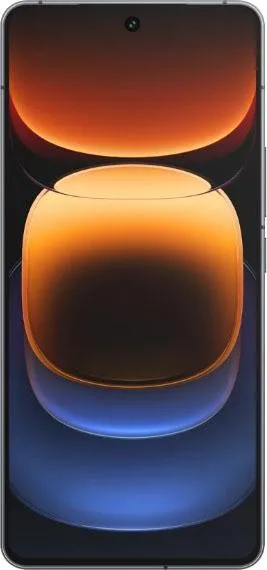

1. Specifications Comparison
| Feature | vivo iQOO 12 | Oppo Reno11 | Practical Impact |
|---|---|---|---|
| Design | |||
| Dimensions | 163.2 x 75.9 x 8.1 mm | 162.4 x 74.3 x 7.9 mm | Negligible size difference; both are large phones. |
| Weight | 198.5 g | 182 g | The iQOO 12 is noticeably heavier. Can impact one-handed use and pocket comfort. |
| Display | |||
| Size | 6.78" | 6.7" | Negligible difference in screen real estate. |
| Type | LTPO AMOLED | AMOLED | LTPO allows for dynamic refresh rate adjustment, saving battery. |
| Resolution | 1260 x 2800 (453 ppi) | 1080 x 2412 (394 ppi) | iQOO 12 has a sharper, more detailed display. Noticeable in text clarity and image sharpness. |
| Refresh Rate | 144Hz | 120Hz | iQOO 12 offers smoother scrolling and animations, especially in gaming. |
| Peak Brightness | 3000 nits | 950 nits | iQOO 12 is significantly brighter outdoors. |
| Performance | |||
| Chipset | Snapdragon 8 Gen 3 (4nm) | MediaTek Dimensity 7050 (6nm) | 8 Gen 3 offers significantly better CPU and GPU performance. Impacts gaming, multitasking, and app loading speeds. |
| CPU | Octa-core (1x3.3 GHz X4 & ...) | Octa-core (2x2.6 GHz A78 & ...) | iQOO 12 has a more powerful CPU architecture, leading to faster processing. |
| GPU | Adreno 750 | Mali-G68 MC4 | iQOO 12's GPU provides a substantial advantage in graphics-intensive tasks like gaming. |
| RAM/Storage | 512GB/16GB, 1TB/16GB | 256GB/12GB | iQOO 12 offers more RAM and storage options for smoother multitasking and ample file storage. |
| Camera | |||
| Video Capabilities | Up to 8K@30fps | Up to 4K@30fps | iQOO 12 can record higher resolution video. No detailed camera specs provided for a thorough comparison. |
| Battery | |||
| Capacity | 5000 mAh | 5000 mAh | Similar battery capacity. Real-world battery life depends on optimization and usage. |
2. Key Differences Analysis
vivo iQOO 12 Advantages:
- Significantly more powerful: The Snapdragon 8 Gen 3 provides a substantial performance advantage for demanding tasks and gaming.
- Superior Display: Higher resolution, refresh rate, and peak brightness lead to a more immersive and enjoyable viewing experience.
- More RAM and Storage: Ensures smoother multitasking and ample space for apps and files.
Oppo Reno11 Advantages:
- Lighter: Noticeably lighter, making it more comfortable for extended use.
- Potentially Lower Price: While both are mid-range, the Reno11 with its less powerful specs might be more affordable.
Trade-offs:
- Performance vs. Price/Weight: iQOO 12 prioritizes performance with a more powerful (and likely more expensive) chipset at the cost of increased weight. Reno11 balances affordability and weight with less demanding hardware.
3. User Profiles & Recommendations
vivo iQOO 12: Ideal for power users, gamers, and those who prioritize a top-tier display and performance. Excellent for demanding tasks, multitasking, and media consumption.
Oppo Reno11: Suitable for users seeking a lighter, potentially more affordable phone for everyday tasks like browsing, social media, and casual photography. Good for users who prioritize comfortable one-handed use.
4. Decision Framework
Key Questions for Buyers:
- What is your budget? The iQOO 12 will likely be more expensive.
- What are your primary use cases? (Gaming, photography, general use)
- Do you prioritize performance or portability/affordability?
Scenario-Based Recommendations:
- Gamer: iQOO 12 for its superior performance and display.
- Casual User on a Budget: Oppo Reno11 for its lighter weight and potential affordability.
- Power User: iQOO 12 for its overall performance and feature set.
My Choice: vivo iQOO 12
While lacking complete camera specifications for a full comparison, the vivo iQOO 12 is the clear winner for me. The significant performance advantage offered by the Snapdragon 8 Gen 3, combined with the superior display (higher resolution, refresh rate, and peak brightness) are compelling. I prioritize a smooth and responsive user experience, especially for demanding tasks and gaming. The extra weight is a minor trade-off for the significant performance gains. While the Oppo Reno11 offers a lighter and potentially more affordable option, the iQOO 12's superior feature set makes it a better long-term investment for my needs.
