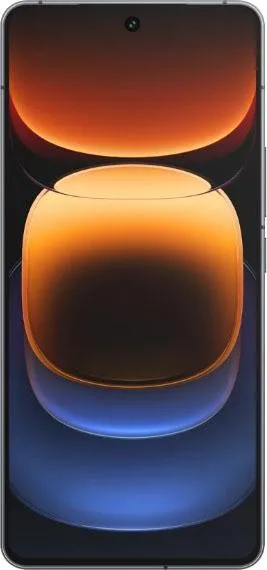

1. Specifications Comparison
| Feature | vivo iQOO 12 | Motorola Edge 50 Neo | Practical Impact |
|---|---|---|---|
| Design | |||
| Dimensions | 163.2 x 75.9 x 8.1 mm | 154.1 x 71.2 x 8.1 mm | The Edge 50 Neo is noticeably smaller and potentially easier to handle one-handed. |
| Weight | 198.5 g | 171 g | The Edge 50 Neo is significantly lighter, reducing hand fatigue during extended use. |
| Display | |||
| Size | 6.78" | 6.4" | The iQOO 12 offers a larger screen for more immersive media consumption. |
| Type | LTPO AMOLED | LTPO P-OLED | Both offer excellent color accuracy and power efficiency. P-OLED generally allows for slimmer designs. |
| Resolution | 1260 x 2800 | 1256 x 2760 | Virtually identical pixel density, resulting in sharp visuals on both. |
| Refresh Rate | 144Hz | 120Hz | The iQOO 12's higher refresh rate provides smoother animations and scrolling, particularly noticeable in gaming and fast-paced content. |
| Peak Brightness | 3000 nits | 3000 nits | Both excel in outdoor visibility even in direct sunlight. |
| Performance | |||
| Chipset | Snapdragon 8 Gen 3 | Dimensity 7300 | The 8 Gen 3 significantly outperforms the Dimensity 7300 in demanding tasks like gaming and video editing. |
| CPU | Octa-core (1x3.3 GHz X4 & 3x3.2 GHz A720 & ...) | Octa-core (4x2.5 GHz A78 & 4x2.0 GHz A55) | The iQOO 12's more powerful CPU architecture delivers superior performance and responsiveness. |
| GPU | Adreno 750 | Mali-G615 MC2 | The Adreno 750 offers a substantial advantage in graphics performance for gaming and visually intensive applications. |
| RAM | 16GB | 12GB | The iQOO 12's extra RAM allows for smoother multitasking and better handling of demanding applications. |
| Storage | 512GB/1TB | 512GB | Both offer ample storage; the iQOO 12 provides a 1TB option for users needing maximum capacity. |
| Battery | |||
| Capacity | 5000 mAh | 4310 mAh | The iQOO 12 boasts a larger battery, potentially translating to longer usage time. |
| Camera | No camera specs provided. | No camera specs provided. | Camera comparison is impossible without detailed sensor and feature information. |
2. Key Differences Analysis
vivo iQOO 12 Advantages:
- Significantly more powerful: The Snapdragon 8 Gen 3, coupled with 16GB RAM, delivers a substantial performance advantage for demanding tasks and gaming.
- Higher refresh rate display: Smoother and more responsive visual experience.
- Larger battery: Potentially longer battery life.
- Larger display: More immersive for media consumption.
Motorola Edge 50 Neo Advantages:
- Smaller and lighter: Easier to handle and carry.
- Potentially lower price: While both are mid-range, the Neo may be more budget-friendly.
3. User Profiles & Recommendations
vivo iQOO 12: Ideal for power users, gamers, and those who prioritize performance and a large, high-quality display. Excellent for demanding tasks, multitasking, and media consumption.
Motorola Edge 50 Neo: Suitable for users who prioritize portability and one-handed usability. A good option for everyday tasks, social media, and light gaming. Likely a more budget-conscious choice.
4. Decision Framework
Key Questions for Buyers:
- What is your budget? The iQOO 12 is likely more expensive.
- What is your primary use case? Gaming and heavy multitasking favor the iQOO 12; everyday use and portability favor the Edge 50 Neo.
- Do you prioritize performance or portability? The iQOO 12 excels in performance, while the Edge 50 Neo is more compact and lightweight.
My Choice: vivo iQOO 12
While lacking camera details for a full comparison, the vivo iQOO 12 is the clear winner for me. I prioritize performance and a smooth user experience, which the Snapdragon 8 Gen 3 and 144Hz display deliver in spades. The larger battery and display are also appealing for my usage patterns. While heavier, the performance benefits outweigh the slight increase in size and weight. The Motorola Edge 50 Neo is a compelling option for users prioritizing portability and budget, but the iQOO 12's superior performance and features align better with my needs.
