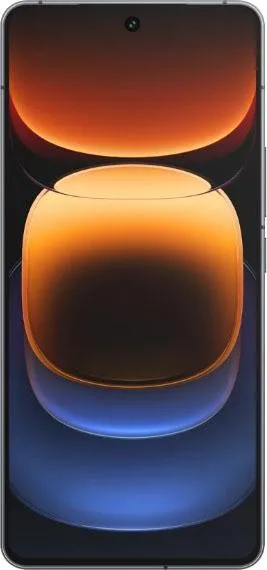
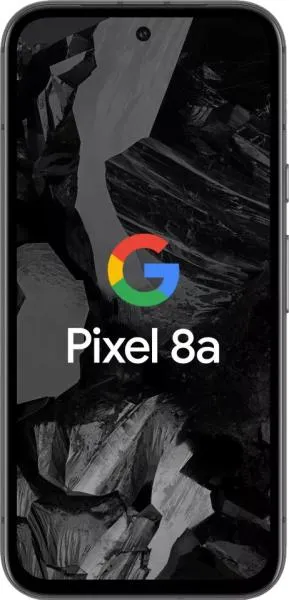
Let's dive into a comparative analysis of the vivo iQOO 12 and the Google Pixel 8a, dissecting their specifications and translating them into real-world implications for you.
1. Specifications Breakdown
| Feature | vivo iQOO 12 | Google Pixel 8a | Real-World Implications |
|---|---|---|---|
| Design | |||
| Dimensions | 163.2 x 75.9 x 8.1 mm | 152.1 x 72.7 x 8.9 mm | iQOO 12 is larger, potentially less pocketable. Pixel 8a is more compact, easier for one-handed use. |
| Weight | 198.5 g | 188 g | iQOO 12 feels more substantial, Pixel 8a lighter and more comfortable for extended use. |
| Display | |||
| Size | 6.78" | 6.1" | iQOO 12 offers a more immersive viewing experience. Pixel 8a is more compact, easier for one-handed use. |
| Type | LTPO AMOLED | OLED | Both offer excellent contrast and vibrant colors. LTPO allows for dynamic refresh rate adjustments on the iQOO 12. |
| Resolution | 1260 x 2800 | 1080 x 2400 | iQOO 12 boasts sharper visuals. Pixel 8a's resolution is still respectable for its size. |
| Refresh Rate | 144Hz | 120Hz | iQOO 12 provides incredibly smooth scrolling and animations. Pixel 8a is also very smooth, but slightly less so. |
| Peak Brightness | 3000 nits | 2000 nits | iQOO 12 offers exceptional outdoor visibility. Pixel 8a is also bright but might struggle in direct sunlight. |
| Performance | |||
| Chipset | Snapdragon 8 Gen 3 | Google Tensor G3 | Both are powerful chips. Snapdragon 8 Gen 3 generally benchmarks higher in raw performance. Tensor G3 excels in AI tasks. |
| CPU | Octa-core (1x3.3 GHz Cortex-X4...) | Nona-core (1x3.0 GHz Cortex-X3...) | Both offer excellent multi-tasking capabilities. Snapdragon 8 Gen 3 likely edges out in demanding applications. |
| GPU | Adreno 750 | Immortalis-G715s MC10 | iQOO 12 likely offers a superior gaming experience. Tensor G3 provides smooth performance, optimized for Pixel features. |
| RAM | 16GB | 8GB | iQOO 12's massive RAM enables seamless multitasking and app switching. Pixel 8a's 8GB is sufficient for most users. |
| Storage | 512GB/1TB | 256GB | iQOO 12 provides ample storage. Pixel 8a offers less but relies on cloud storage for Google ecosystem users. |
| Battery | |||
| Capacity | 5000 mAh | 4492 mAh | iQOO 12 likely offers longer battery life. Pixel 8a's battery should still last a full day with moderate use. |
| Software | |||
| OS | Android 14 | Android 14 | Both run the latest Android version, but Pixel 8a will receive longer OS updates directly from Google. |
2. Key Insights
The vivo iQOO 12 is a powerhouse focused on raw performance, a stunning display, and fast charging. Its Snapdragon 8 Gen 3, coupled with 16GB of RAM and a 144Hz LTPO AMOLED display, ensures a blazing-fast and visually immersive experience.
The Google Pixel 8a, on the other hand, prioritizes a refined software experience, AI-powered features, and a compact form factor. The Tensor G3 chip excels in computational photography and AI tasks, while the pure Android experience with guaranteed long-term updates is a major draw.
3. User Profiles and Recommendations
iQOO 12: Ideal for power users, gamers, and those who demand top-tier performance and a visually stunning display.
Pixel 8a: Best suited for users who prioritize a smooth, clean Android experience, excellent camera capabilities, guaranteed updates, and a compact phone.
4. Buying Decision Framework
- What is your priority: Performance or Software/Camera? If raw power and a premium display are paramount, the iQOO 12 is your choice. If a refined software experience and a top-notch camera are more important, the Pixel 8a is the better option.
- How important is long-term software support? The Pixel 8a will receive longer OS and security updates directly from Google.
- What is your budget and storage needs? The iQOO 12 comes with more storage options but is likely more expensive.
My Choice: Google Pixel 8a
While the iQOO 12 boasts impressive specs, I would choose the Google Pixel 8a. My priorities lie in a refined software experience, consistent performance optimized for daily tasks, a compact form factor, and the assurance of long-term software updates. The Pixel's camera prowess and clean Android experience, free of bloatware, are highly appealing. Though the iQOO 12 offers a higher refresh rate and peak brightness, these advantages don't outweigh the Pixel 8a's strengths in my daily usage. The longer software update cycle is crucial for security and ensures I'll have the latest features for years to come. Finally, the Pixel 8a likely comes at a more accessible price point, making it a more compelling value proposition for me.
