1. Specifications Comparison
| Feature | vivo iQOO 12 | Cubot KingKong X | Practical Impact |
|---|---|---|---|
| Design | |||
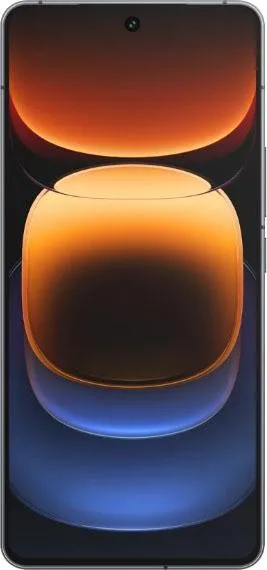
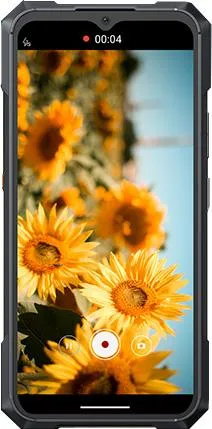
| Dimensions (mm) | 163.2 x 75.9 x 8.1 | 170.9 x 82.2 x 18.7 | iQOO 12 is significantly slimmer and lighter, making it more pocketable and comfortable for one-handed use. KingKong X is much larger and heavier, likely more rugged. |
| Weight (g) | 198.5 | 388 | |
| Build Materials | Not specified | Not specified | Build materials impact durability and premium feel. Lack of information limits comparison. |
| Display | |||
| Display Type | LTPO AMOLED, 1B colors | IPS LCD | iQOO 12's AMOLED offers superior contrast, deeper blacks, and potentially better power efficiency. KingKong X's IPS LCD is generally less vibrant. |
| Size (inches) | 6.78 | 6.58 | Negligible size difference. |
| Resolution | 1260 x 2800 | 1080 x 2408 | iQOO 12 boasts a sharper display with significantly higher pixel density (453 ppi vs 401 ppi), resulting in crisper text and images. |
| Refresh Rate (Hz) | 144 | 120 | iQOO 12's higher refresh rate provides smoother animations and scrolling, especially noticeable in gaming and fast-paced content. |
| Peak Brightness (nits) | 3000 | Not specified | iQOO 12's exceptionally high peak brightness ensures excellent outdoor visibility even in direct sunlight. Lack of data for KingKong X prevents comparison. |
| Performance | |||
| Chipset | Snapdragon 8 Gen 3 | MediaTek Dimensity 7050 | iQOO 12's Snapdragon 8 Gen 3 offers significantly higher performance in demanding tasks like gaming and multitasking compared to the Dimensity 7050. |
| CPU | Octa-core (1x3.3 GHz Cortex-X4 & 3x3.2 GHz Cortex-A720 & 2x3.0 GHz Cortex-A720 & 2x2.3 GHz Cortex-A520) | Octa-core (2x2.6 GHz Cortex-A78 & 6x2.0 GHz Cortex-A55) | The 8 Gen 3's newer architecture and higher clock speeds will deliver a substantial performance advantage to the iQOO 12. |
| GPU | Adreno 750 | Mali-G68 MC4 | Adreno 750 provides superior graphics performance compared to the Mali-G68 MC4, resulting in smoother gaming and faster rendering. |
| RAM | 16GB | 16GB | Both offer ample RAM for multitasking. |
| Storage | 512GB/1TB | 512GB | Similar storage options. |
| Camera | |||
| Rear Camera | Not specified | Not specified | Insufficient data to compare camera quality and features. |
| Video Capabilities | 8K@30fps, 4K@60fps, etc. | 4K@30fps, 1080p@30fps | iQOO 12 supports higher resolution and frame rate video recording, including 8K. |
| Battery | |||
| Capacity (mAh) | 5000 | 10200 | KingKong X offers significantly larger battery capacity, likely resulting in much longer battery life. iQOO 12 might charge faster due to superior chipset. |
2. Key Differences Analysis
iQOO 12 Advantages:
- Significantly higher performance (chipset, CPU, GPU).
- Superior display quality (AMOLED, higher resolution, refresh rate, brightness).
- Slimmer and lighter design.
- More advanced video recording capabilities.
Cubot KingKong X Advantages:
- Much larger battery capacity, potentially leading to significantly longer battery life.
- Potentially more rugged due to larger size and weight (although build materials are not specified).
3. User Profiles & Recommendations
iQOO 12: Users who prioritize performance, a premium display, and a sleek design. Ideal for gaming, content creation, and demanding tasks.
Cubot KingKong X: Users who prioritize extremely long battery life and potential ruggedness. Suitable for outdoor activities, extended travel, and users who value battery life above all else.
4. Decision Framework
Key Questions:
- What is your budget? Both are mid-range, but specific pricing is needed for accurate comparison.
- What are your performance needs? Gamers and power users will prefer the iQOO 12.
- What is your priority: battery life, portability, or performance? KingKong X excels in battery life, iQOO 12 in performance and portability.
My Choice: vivo iQOO 12
While the Cubot KingKong X's massive battery is tempting, the vivo iQOO 12's superior performance, stunning display, and sleek design are more aligned with my personal preferences. I prioritize a smooth and responsive user experience, high-quality visuals, and a comfortable device to hold. The significant difference in processing power and display quality would outweigh the battery life advantage for my usage, which involves gaming, media consumption, and productivity tasks. I am also willing to charge more frequently for a more pocketable and visually appealing device. The lack of specific camera details for both phones makes a complete assessment difficult, but the iQOO 12's superior video recording capabilities hint at a potentially better overall camera system.
