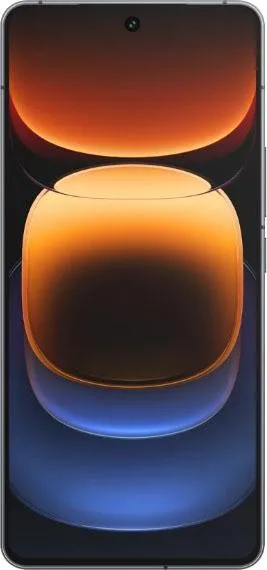
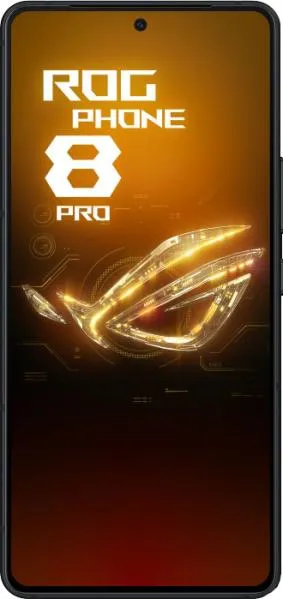
1. Specifications Comparison
| Feature | vivo iQOO 12 | Asus ROG Phone 8 Pro | Practical Impact |
|---|---|---|---|
| Design | |||
| Dimensions | 163.2 x 75.9 x 8.1 mm | 163.8 x 76.8 x 8.9 mm | ROG Phone 8 Pro is slightly larger and thicker. iQOO 12 might feel slightly more compact in hand. |
| Weight | 198.5 g | 225 g | Significant weight difference; iQOO 12 is noticeably lighter and more comfortable for extended use. |
| Colors | Black, Red, White (BMW M branding) | Phantom Black | More color options with the iQOO 12. Aesthetic preference. |
| Display | |||
| Size | 6.78" | 6.78" | Identical screen sizes. |
| Type | LTPO AMOLED | LTPO AMOLED | Both offer excellent color accuracy and power efficiency. |
| Resolution | 1260 x 2800 | 1080 x 2400 | Higher resolution on the iQOO 12 results in sharper text and images. Noticeably higher pixel density. |
| Refresh Rate | 144Hz | 165Hz | ROG Phone 8 Pro offers a slightly smoother experience in fast-paced games, though the difference might not be perceptible to all users. |
| Peak Brightness | 3000 nits | 2500 nits | iQOO 12 offers significantly better visibility in direct sunlight. |
| Performance | |||
| Chipset | Snapdragon 8 Gen 3 | Snapdragon 8 Gen 3 | Identical chipsets, expecting similar performance. |
| CPU | Octa-core (1x3.3 GHz Cortex-X4 & 3x3.2 GHz Cortex-A720 & 2x3.0 GHz Cortex-A720 & 2x2.3 GHz Cortex-A520) | Octa-core (1x3.3 GHz Cortex-X4 & 3x3.2 GHz Cortex-A720 & 2x3.0 GHz Cortex-A720 & 2x2.3 GHz Cortex-A520) | Identical CPU configurations, indicating comparable processing power. |
| GPU | Adreno 750 | Adreno 750 | Identical GPUs; gaming performance should be very similar. |
| RAM | 16GB | 24GB | More RAM in the ROG Phone 8 Pro allows for more apps to run in the background without reloading, beneficial for heavy multitaskers and gamers. |
| Storage | 512GB/1TB | 1TB | Comparable storage options, although iQOO offers a 512GB option for potentially lower cost. |
| Battery | |||
| Capacity | 5000 mAh | 5500 mAh | Larger battery in the ROG Phone 8 Pro likely translates to longer battery life. |
| Other | |||
| OS | Android 14 | Android 14 | Both run the latest version of Android. |
| USB | USB Type-C 2.0, OTG | USB Type-C (side), DisplayPort 1.4; USB Type-C (bottom), OTG | ROG Phone 8 Pro offers DisplayPort for connecting to external displays, a significant advantage for productivity and gaming on a larger screen. |
2. Key Differences Analysis
vivo iQOO 12 Advantages:
- Lighter and More Compact: Significantly lighter and slightly smaller, leading to better one-handed usability and comfort.
- Sharper Display: Higher resolution display provides a more detailed viewing experience.
- Brighter Display: Much brighter display ensures better visibility outdoors.
Asus ROG Phone 8 Pro Advantages:
- Higher Refresh Rate: Smoother scrolling and animations, especially noticeable in games.
- Larger Battery: Longer battery life for extended usage.
- More RAM: Better multitasking performance and smoother handling of demanding applications.
- DisplayPort: Enables connection to external displays for a desktop-like experience. This is a major differentiator for specific use cases.
Trade-offs:
- ROG Phone 8 Pro: Heavier and bulkier for the larger battery and enhanced cooling. The higher refresh rate might minimally impact battery life compared to the iQOO 12's 144Hz.
- iQOO 12: Smaller battery capacity despite a lower refresh rate screen.
3. User Profiles & Recommendations
vivo iQOO 12: Users prioritizing a lightweight and compact phone with a beautiful, bright, and sharp display. Suitable for everyday use, media consumption, and moderate gaming.
Asus ROG Phone 8 Pro: Power users, mobile gamers, and content creators who demand top-tier performance, extended battery life, and the flexibility of connecting to external displays.
4. Decision Framework
Key Questions:
- What is your primary use case? (Gaming, productivity, everyday use)
- How important is portability and comfort?
- What is your budget? (While both are mid-range, the ROG Phone 8 Pro with its higher specs might command a higher price.)
Scenario-Based Recommendations:
- Heavy gamer: ROG Phone 8 Pro for its performance, larger battery, and DisplayPort.
- Everyday user prioritizing comfort: vivo iQOO 12 for its lighter weight, compact design, and bright, sharp display.
- Professional needing mobile workstation capabilities: ROG Phone 8 Pro for DisplayPort functionality.
My Choice: vivo iQOO 12
While the ROG Phone 8 Pro boasts impressive specs for gaming and productivity, the vivo iQOO 12's significantly lighter weight, brighter and sharper display, and more compact form factor are more appealing to me. I prioritize comfortable daily use and a great visual experience. The ROG Phone 8 Pro's extra RAM and DisplayPort are valuable, but not essential for my typical usage. The weight difference is substantial, and for me, that outweighs the benefits offered by the ROG Phone 8 Pro. I also appreciate the higher resolution display on the iQOO 12 for sharper text and images. Finally, the significantly brighter display on the iQOO 12 is a major advantage for outdoor usage.
