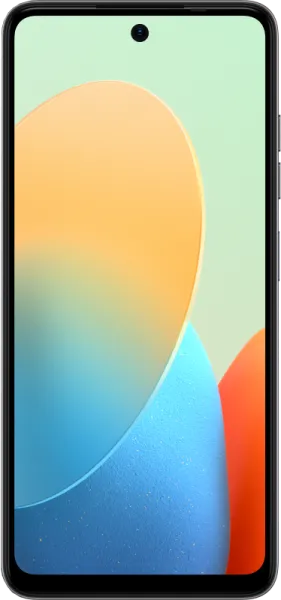
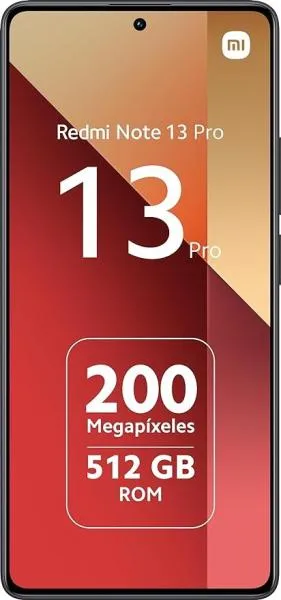
Let's dive into a user-centered comparison of the Tecno Spark Go 2024 and the Xiaomi Redmi Note 13 Pro 4G. Instead of a dry recitation of specs, we'll explore how these devices translate into real-world experiences.
1. Design and Usability Assessment:
| Feature | Tecno Spark Go 2024 | Xiaomi Redmi Note 13 Pro 4G | User Experience Impact |
|---|---|---|---|
| Display | 6.6" IPS LCD, 90Hz | 6.67" AMOLED, 120Hz | Redmi's AMOLED offers richer colors and deeper blacks, resulting in a more vibrant visual experience. The higher refresh rate ensures smoother scrolling. |
| Resolution | 720x1612 (HD+) | 1080x2400 (FHD+) | Redmi's sharper resolution provides significantly more detail in images and text, enhancing clarity and readability. |
| Brightness | Unspecified | Up to 1300 nits Peak | Redmi excels in outdoor visibility, ensuring the screen remains clear even in bright sunlight. |
| Fingerprint Sensor | Side-mounted | Under-display | Both offer convenient unlocking, but the under-display sensor on the Redmi contributes to a more modern, sleek aesthetic. |
| Build | Plastic | Likely Glass (Material Unspecified) | Redmi likely provides a more premium feel with potentially better durability, although this needs confirmation. |
| Weight & Dimensions | Lighter (Unspecified), slightly wider | Heavier (188g), slightly narrower | Tecno might be more comfortable for extended single-hand use due to its lighter weight. |
2. Narrative-Driven Feature Exploration:
Imagine a student using each phone: With the Spark Go, they might struggle to read detailed research papers on the smaller, lower-resolution screen. The Redmi's sharper display would make those papers crisper and easier on the eyes. While watching a video outdoors, the Redmi's superior brightness would ensure a clear picture even under the sun, where the Spark Go might appear washed out.
3. Inclusive Technology Evaluation:
For budget-conscious users, the Spark Go offers essential smartphone functionality. However, for users who prioritize visual quality, consume a lot of media, or require excellent outdoor visibility, the Redmi Note 13 Pro 4G provides a significant upgrade. The Redmi also offers NFC for contactless payments, a feature absent on the Spark Go.
4. Design-Centric Decision Framework:
The Redmi Note 13 Pro 4G clearly prioritizes a premium visual experience with its AMOLED display, high refresh rate, and impressive brightness. The Tecno Spark Go 2024 focuses on providing core functionality at an accessible price point.
My Choice: Xiaomi Redmi Note 13 Pro 4G
While the Tecno Spark Go 2024 offers a budget-friendly option, the Xiaomi Redmi Note 13 Pro 4G provides a significantly enhanced user experience. The superior display quality, higher performance ceiling (implied by the chipset), and inclusion of NFC for contactless payments make it a more versatile and future-proof device. The likely premium build materials and under-display fingerprint sensor further contribute to a more refined and modern experience. While heavier, the differences in dimensions are negligible, and the benefits in screen quality and performance outweigh the slight increase in weight for me. In short, the Redmi offers a more compelling and enjoyable user experience for a relatively small price jump (within the "medium price" range).
