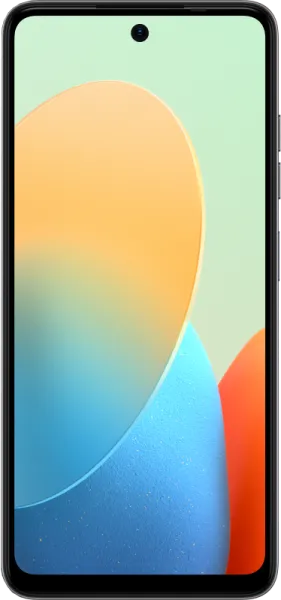
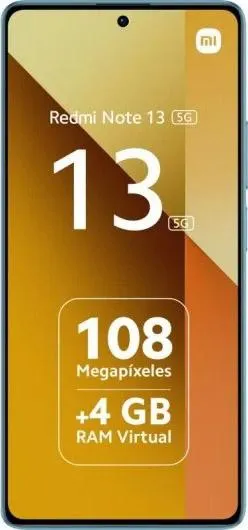
Tecno Spark Go 2024 vs. Xiaomi Redmi Note 13: A Deep Dive
Let's dissect the Tecno Spark Go 2024 and Xiaomi Redmi Note 13, going beyond the spec sheet to uncover what truly matters for everyday use.
1. Specifications Breakdown
| Feature | Tecno Spark Go 2024 | Xiaomi Redmi Note 13 | Real-World Implications | |
|---|---|---|---|---|
| Design | ||||
| Dimensions | 163.7 x 75.6 x 8.6 mm | 161.1 x 75 x 7.6 mm | Redmi Note 13 is slightly more compact and thinner. | |
| Weight | 0g (Data Missing) | 174.5g | Redmi Note 13's weight suggests a more premium build, but we need the Spark Go's weight for comparison. | |
| Display | ||||
| Type | IPS LCD, 90Hz | AMOLED, 120Hz | Redmi Note 13 offers richer colors, deeper blacks, and smoother scrolling. | |
| Size | 6.6" | 6.67" | Negligible difference in screen real estate. | |
| Resolution | 720x1612 | 1080x2400 | Redmi Note 13 boasts significantly sharper visuals. | |
| Brightness | N/A | 1000 nits peak | Redmi Note 13 ensures better visibility in sunlight. | |
| Performance | ||||
| Chipset | Unisoc T606 (12nm) | Dimensity 6080 (6nm) | Redmi Note 13's more efficient and powerful chip promises smoother multitasking and gaming. | |
| CPU | Octa-core (2x1.6 GHz Cortex-A75 & 6x1.6 GHz Cortex-A55) | Octa-core (2x2.4 GHz Cortex-A76 & 6x2.0 GHz Cortex-A55) | Redmi Note 13 has faster and more powerful CPU cores, resulting in snappier performance. | |
| GPU | Mali-G57 MP1 | Mali-G57 MC2 | Redmi Note 13's GPU offers better graphics performance for gaming. | |
| RAM | 4GB | 8GB/12GB | Redmi Note 13 provides significantly more RAM for smoother multitasking. | |
| Storage | 128GB | 256GB | Redmi Note 13 offers double the storage capacity. | |
| Other | ||||
| Battery | 5000 mAh | 5000 mAh | Similar battery capacities, but real-world battery life depends on optimization and usage. | |
| OS | Android 13 | Android 13 | Both run on the latest Android version. | |
| NFC | No | Yes | Redmi Note 13 supports contactless payments and data transfer. |
2. Key Insights
The Redmi Note 13 clearly outperforms the Spark Go 2024 across almost all categories. Its AMOLED display, faster processor, larger RAM, and higher storage capacity contribute to a significantly better user experience. The Spark Go 2024, however, likely aims for a lower price point. The missing weight for the Spark Go suggests potential cost-cutting measures in materials.
3. User Profiles and Recommendations
Spark Go 2024: This phone is likely suitable for budget-conscious users who prioritize basic communication, social media, and light browsing. It's a potential option for first-time smartphone users or as a secondary device.
Redmi Note 13: This phone caters to users seeking a well-rounded experience with smooth performance, a vibrant display, and ample storage. It's ideal for gaming, media consumption, multitasking, and photography enthusiasts.
4. Buying Decision Framework
- What's your budget? The Spark Go 2024 is aimed at the budget market, while the Redmi Note 13 offers more premium features for a higher price.
- What are your primary phone usage patterns? For basic tasks, the Spark Go might suffice. If you demand performance and a richer multimedia experience, the Redmi Note 13 is the better choice.
- How important are features like NFC and a high-quality display? If these are essential, the Redmi Note 13 is the clear winner.
My Choice: Xiaomi Redmi Note 13
If I were choosing between these two, I'd go for the Redmi Note 13. The superior display, faster processor, increased RAM, larger storage, and the inclusion of NFC make it a far more compelling device. While pricing information isn't available, even if the Redmi Note 13 is slightly more expensive, the significant performance and feature upgrades justify the investment for a more enjoyable and future-proof smartphone experience. The Spark Go 2024, with missing data points and lower specs, feels like a compromise I wouldn't be willing to make. I value a smooth, responsive device with a great screen, and the Redmi Note 13 delivers on those fronts.
