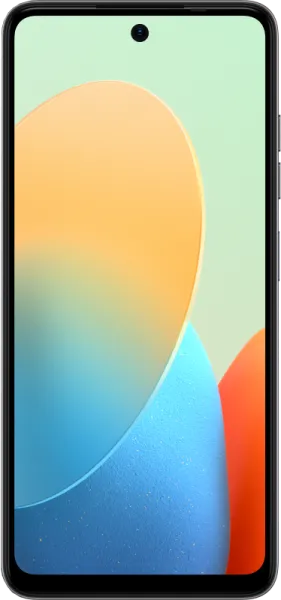
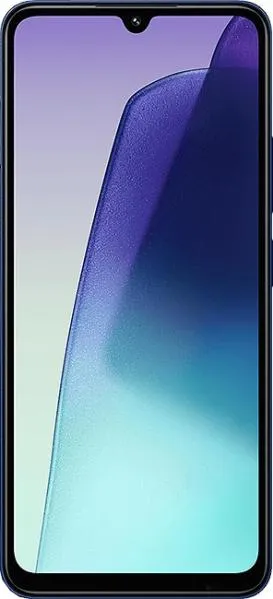
Tecno Spark Go 2024 vs. Xiaomi Redmi 14C: A Deep Dive
Let's dissect the Tecno Spark Go 2024 and Xiaomi Redmi 14C, two contenders vying for a spot in your pocket. We'll go beyond the spec sheet, translating those numbers into real-world experiences to help you decide which phone fits your life best.
1. Specifications Breakdown
| Feature | Tecno Spark Go 2024 | Xiaomi Redmi 14C | Real-World Implications |
|---|---|---|---|
| Design | |||
| Dimensions | 163.7 x 75.6 x 8.6 mm | 171.9 x 77.8 x 8.2 mm | Redmi 14C is noticeably larger; Spark Go 2024 is more compact and potentially easier to handle. |
| Weight | 0g (Likely incorrect) | 211g | Redmi 14C has a substantial feel; Spark Go's listed weight is erroneous and needs verification. |
| Display | |||
| Size | 6.6" | 6.88" | Redmi 14C offers a larger viewing area for media consumption. |
| Type | IPS LCD, 90Hz | IPS LCD, 120Hz | Both are LCDs; Redmi 14C's 120Hz offers smoother scrolling and animations. |
| Resolution | 720 x 1612 | 720 x 1640 | Negligible difference in sharpness at this size. |
| Performance | |||
| Chipset | Unisoc T606 | Helio G81 Ultra | Redmi 14C boasts a more powerful processor for demanding tasks and gaming. |
| CPU | Octa-core (2x1.6 GHz A75 & 6x1.6 GHz A55) | Octa-core (2x2.0 GHz A75 & 6x1.8 GHz A55) | Redmi 14C has a performance edge due to higher clock speeds. |
| RAM | 4GB | 6GB/8GB | Redmi 14C's larger RAM enables smoother multitasking and app switching. |
| Storage | 128GB | 128GB | Equivalent storage capacity. |
| Battery | |||
| Capacity | 5000 mAh | 5160 mAh | Similar battery capacities; real-world endurance depends on optimization. |
| Other | |||
| OS | Android 13 | Android 14 | Redmi 14C ships with a newer Android version, potentially offering more features. |
| NFC | No | Yes | Redmi 14C supports contactless payments and data transfer via NFC. |
2. Key Insights
The Redmi 14C emerges as the more powerful device. Its Helio G81 Ultra chipset, coupled with more RAM, delivers a noticeable performance advantage for gaming and multitasking. The 120Hz display, while still LCD, offers a smoother visual experience. The inclusion of NFC adds convenient functionalities.
The Spark Go 2024's strength lies in its potentially more compact form factor (assuming the weight specification is incorrect), making it easier to handle for some users. It positions itself as a more budget-friendly option for basic tasks.
3. User Profiles and Recommendations
Redmi 14C: Suited for users who prioritize performance, smoother visuals, and features like NFC. Gamers, multitaskers, and those who use their phone for demanding applications will appreciate the extra power.
Spark Go 2024: Ideal for budget-conscious users who prioritize essential communication, web browsing, and light media consumption. Its smaller size may appeal to those who prefer a more pocketable device.
4. Buying Decision Framework
Questions to Consider:
- What's your budget? The Spark Go 2024 likely comes at a lower price point.
- What's your primary phone usage? Heavy gaming or multitasking? Redmi 14C. Basic communication and light usage? Spark Go 2024.
- Do you need NFC for contactless payments? If yes, the Redmi 14C is the only option.
My Choice: Xiaomi Redmi 14C
While I appreciate the potential compactness of the Spark Go 2024, the Redmi 14C's superior performance, smoother display, NFC functionality, and newer Android version make it the clear winner for me. I value a responsive and feature-rich experience, and the Redmi 14C delivers on those fronts. The performance headroom ensures the phone remains usable for a longer period without feeling sluggish. The inclusion of NFC is a practical convenience I utilize frequently. Even if the Spark Go 2024 offers a price advantage, the Redmi 14C represents a better long-term investment in terms of usability and features.
