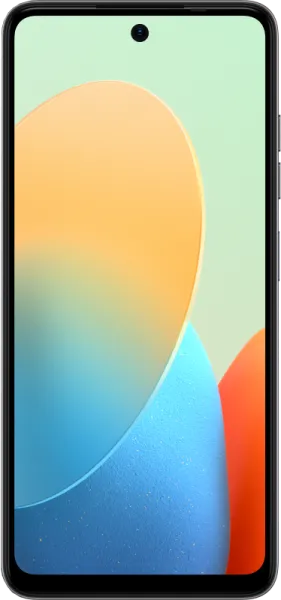
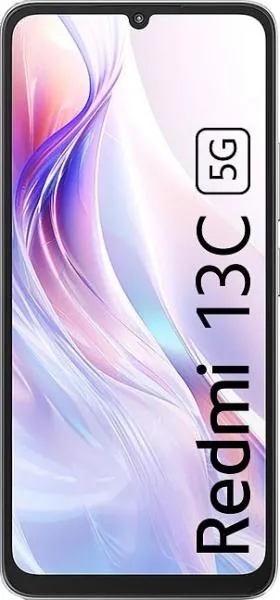
Let's dive into a comparative analysis of the Tecno Spark Go 2024 and the Xiaomi Redmi 13C 5G, dissecting their specifications and uncovering what they truly offer the everyday user.
1. Specifications Breakdown
| Feature | Tecno Spark Go 2024 | Xiaomi Redmi 13C 5G | Real-World Implications |
|---|---|---|---|
| Design | |||
| Dimensions | 163.7 x 75.6 x 8.6 mm | 168 x 78 x 8.1 mm | Redmi 13C is slightly larger and heavier; Spark Go might be more pocketable. |
| Weight | 0g (Likely incorrect) | 192g | Significant weight difference; Redmi feels more substantial, Spark Go's listed weight is erroneous. |
| Display | |||
| Size | 6.6" | 6.74" | Redmi offers a slightly larger viewing area. |
| Type | IPS LCD, 90Hz | IPS LCD, 90Hz | Both offer smooth scrolling and animations thanks to the 90Hz refresh rate. |
| Resolution | 720 x 1612 | 720 x 1600 | Negligible difference in sharpness; both are HD+ displays. |
| Performance | |||
| Chipset | Unisoc T606 (12nm) | Mediatek Dimensity 6100+ (6nm) | Redmi's 6nm chipset will likely offer significantly better performance and power efficiency. |
| CPU | Octa-core (2x1.6 GHz A75 & 6x1.6 GHz A55) | Octa-core (2x2.2 GHz A76 & 6x2.0 GHz A55) | Redmi boasts faster and more powerful CPU cores, leading to smoother multitasking and app loading. |
| GPU | Mali-G57 MP1 | Mali-G57 MC2 | Redmi's GPU should provide a noticeable advantage in gaming and graphics-intensive tasks. |
| RAM | 4GB | 6GB | Redmi's larger RAM allows for more apps to run in the background without performance slowdown. |
| Storage | 128GB | 128GB | Both offer ample storage for apps, photos, and videos. |
| Battery | |||
| Capacity | 5000 mAh | 5000 mAh | Similar battery capacities suggest comparable battery life, but real-world usage will vary due to chipset differences. |
2. Key Insights
The Xiaomi Redmi 13C 5G emerges as the clear winner in terms of performance due to its superior Dimensity 6100+ chipset, larger RAM, and more powerful GPU. This translates to a smoother user experience, faster app loading, better multitasking, and improved gaming capabilities. The Tecno Spark Go 2024 might offer a slightly smaller, more pocketable form factor, but its outdated processor and lower RAM will likely result in noticeable performance limitations, especially with demanding tasks. The Redmi 13C 5G also boasts 5G connectivity, a significant advantage for future-proofing.
3. User Profiles and Recommendations
- Tecno Spark Go 2024: Best suited for budget-conscious users who prioritize basic communication (calls, texts, social media) and light web browsing. Not recommended for gaming or demanding applications.
- Xiaomi Redmi 13C 5G: Ideal for users seeking a balance of performance, affordability, and future-proof features like 5G. A good choice for moderate gaming, multitasking, and content consumption.
4. Buying Decision Framework
- What is your budget? Both phones target the mid-range market, but the Redmi 13C 5G might be slightly more expensive.
- What is your primary use case? For basic tasks, the Spark Go 2024 might suffice. However, for anything beyond that, the Redmi 13C 5G is the better choice.
- How important is future-proofing? The Redmi 13C 5G's 5G connectivity makes it a more future-proof investment.
My Choice: Xiaomi Redmi 13C 5G
If I were choosing between these two phones, I would opt for the Xiaomi Redmi 13C 5G. While the Tecno Spark Go 2024 might offer a slightly smaller form factor, the Redmi's significantly superior performance, thanks to the Dimensity 6100+ chipset and larger RAM, is the deciding factor. The inclusion of 5G connectivity also ensures the phone remains relevant for longer. In the long run, the smoother user experience, faster speeds, and future-proof features of the Redmi 13C 5G would outweigh the marginal difference in size. The Spark Go's significantly lower weight (if accurate) raises concerns about build quality and overall feel. The Redmi 13C 5G provides a more robust and well-rounded package for a slightly higher price, making it the more sensible choice in my opinion.
