1. Specifications Comparison
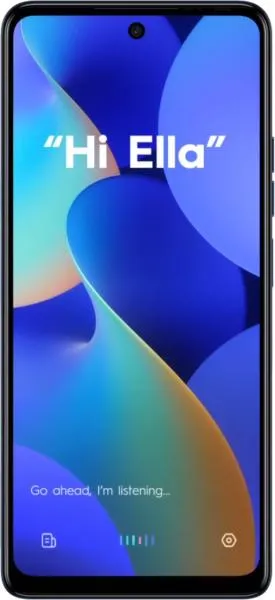
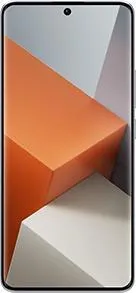
| Feature | Tecno Spark 10 Pro | Xiaomi Redmi Note 13 Pro+ | Practical Impact |
|---|---|---|---|
| Design | |||
| Dimensions (mm) | 168.4 x 76.2 x 8.4 | 161.4 x 74.2 x 8.9 | Redmi is slightly shorter and narrower, but a bit thicker. Negligible difference in hand feel. |
| Weight (g) | 208 | 199 | Redmi is slightly lighter, barely noticeable in real-world use. |
| Display | |||
| Display Type | IPS LCD, 90Hz | AMOLED, 120Hz | Redmi offers significantly better contrast, colors, and smoother scrolling due to AMOLED and higher refresh rate. |
| Display Size (inches) | 6.8 | 6.67 | Negligible difference in screen real estate. |
| Resolution | 1080 x 2460 | 1220 x 2712 | Redmi has a sharper display with higher pixel density. |
| Peak Brightness (nits) | Not specified | 1800 | Redmi's much higher peak brightness ensures better outdoor visibility. Missing Spec for Tecno limits comparison. |
| HDR | No | HDR10+, Dolby Vision | Redmi supports HDR content, resulting in a more dynamic and visually appealing experience. |
| Performance | |||
| Chipset | Mediatek Helio G88 (12nm) | Mediatek Dimensity 7200 Ultra (4nm) | Redmi's significantly more powerful and efficient chipset enables smoother multitasking, gaming, and overall faster performance. |
| CPU | Octa-core (2x2.0 GHz A75 & 6x1.8 GHz A55) | Octa-core (2x2.8 GHz A715 & 6x2.0 GHz A510) | Redmi boasts faster CPU cores, translating to quicker app launches and smoother operation. |
| GPU | Mali-G52 MC2 | Mali-G610 MC4 | Redmi's superior GPU provides a much better gaming experience and handles graphically demanding tasks more efficiently. |
| RAM (GB) | 8 | 8/12/16 | Redmi offers configurations with more RAM, improving multitasking capabilities for power users. |
| Camera | |||
| Main Camera (MP) | 50 | 200 | Redmi offers much higher resolution, potentially capturing more detail. However, megapixels alone don't guarantee image quality. |
| Video Recording | 1440p@30fps | 4K@30fps with EIS | Redmi offers higher resolution video recording with Electronic Image Stabilization for smoother footage. |
| Front Camera (MP) | 32 | 16 | Tecno has a higher resolution front camera, but image quality depends on various factors beyond megapixels. |
| Battery | |||
| Capacity (mAh) | 5000 | 5000 | Both phones have the same battery capacity. |
| Fast Charging | 18W | 120W | Redmi offers significantly faster charging, minimizing downtime. |
2. Key Differences Analysis
Redmi Note 13 Pro+ Advantages:
- Significantly superior performance: The Dimensity 7200 Ultra chipset outperforms the Helio G88 in every aspect.
- Much better display: AMOLED with 120Hz refresh rate offers vibrant colors, deeper blacks, and smoother scrolling. HDR support enhances visual quality.
- Faster Charging: 120W fast charging dramatically reduces charging time.
- Higher resolution main camera: Potentially capturing more detail in photos.
- Better video recording capabilities: 4K resolution and EIS provide superior video quality.
Tecno Spark 10 Pro Advantages:
- Potentially lower price: Given the "medium price" range, the Tecno is likely more affordable. Specific pricing information is required for a definitive comparison.
- Higher resolution front-facing camera: Possibly better for selfie enthusiasts, but image quality needs further assessment.
3. User Profiles & Recommendations
Tecno Spark 10 Pro: Budget-conscious users who prioritize basic functionality, casual social media usage, and light gaming.
Xiaomi Redmi Note 13 Pro+: Users who demand high performance for gaming, demanding applications, multimedia consumption, and value a premium display and fast charging.
4. Decision Framework
Key Questions for Buyers:
- What is your budget? The Redmi is likely more expensive.
- What are your primary use cases? (Gaming, photography, social media, etc.)
- How important is display quality and performance? Redmi excels in these areas.
My Choice: Xiaomi Redmi Note 13 Pro+
While lacking specific pricing, the Redmi Note 13 Pro+ is the clear winner due to its significantly superior performance, vastly improved display, and incredibly fast charging. The performance difference between the Dimensity 7200 Ultra and the Helio G88 is substantial and will impact daily usage. The AMOLED display with 120Hz is a game-changer for media consumption and overall user experience. Even if the Redmi is more expensive, the value proposition based on these key features makes it the preferable choice for most users except those extremely constrained by budget. The Tecno Spark 10 Pro might be a suitable option for extremely budget-conscious buyers who prioritize basic functionality over performance and premium features.
