1. Specifications Comparison
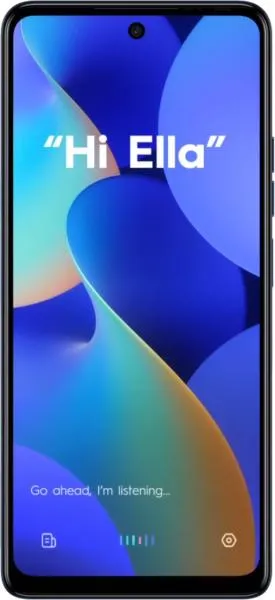
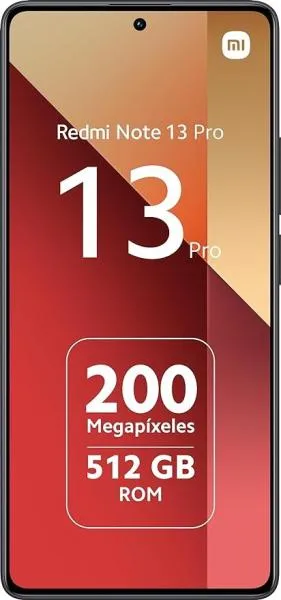
| Feature | Tecno Spark 10 Pro | Xiaomi Redmi Note 13 Pro 4G | Practical Impact |
|---|---|---|---|
| Design | |||
| Dimensions (mm) | 168.4 x 76.2 x 8.4 | 161.1 x 75 x 8 | Redmi is slightly smaller and more compact. |
| Weight (g) | 208 | 188 | Redmi is noticeably lighter, improving one-handed use. |
| Build | Not specified | Not specified | Build quality comparison is impossible without more data. |
| Display | |||
| Display Type | IPS LCD | AMOLED | AMOLED offers deeper blacks, better contrast, and potentially lower power consumption. |
| Display Size (inches) | 6.8 | 6.67 | Negligible size difference. |
| Resolution | 1080 x 2460 | 1080 x 2400 | Virtually identical resolution; sharpness will be similar. |
| Refresh Rate (Hz) | 90 | 120 | Redmi's 120Hz offers smoother scrolling and animations. |
| Peak Brightness (nits) | Not specified | 1300 | Redmi's higher peak brightness ensures better visibility in sunlight. |
| Performance | |||
| Chipset | Mediatek Helio G88 | Mediatek Helio G99 Ultra | G99 Ultra offers better CPU and potentially GPU performance. |
| CPU | Octa-core (2x2.0 GHz Cortex-A75 & 6x1.8 GHz Cortex-A55) | Octa-core (2x2.2 GHz Cortex-A76 & 6x2.0 GHz Cortex-A55) | Redmi's CPU has faster and more efficient cores, resulting in smoother multitasking and app performance. |
| GPU | Mali-G52 MC2 | Mali-G57 MC2 | Redmi's GPU should offer better gaming performance. |
| RAM (GB) | 8 | 8/12 | Redmi offers a 12GB RAM option for even more demanding multitasking. |
| Camera | |||
| Main Camera (MP) | 50 | 200 | Redmi's higher resolution main camera potentially captures more detail but megapixels alone don't guarantee image quality. |
| Sensor | Not specified | Samsung ISOCELL HP3 | Redmi's known sensor allows for evaluation of its characteristics; Spark's sensor remains unknown. |
| Aperture | Not specified | f/1.65 | Redmi's wider aperture allows more light, improving low-light performance. |
| Video Recording | 1440p@30fps | 1080p@60fps | Redmi lacks 1440p recording but offers smoother 1080p@60fps. |
| Battery | |||
| Capacity (mAh) | 5000 | 5000 | Identical battery capacity. |
| Fast Charging | 18W | 67W | Redmi's significantly faster charging drastically reduces charging time. |
2. Key Differences Analysis
Tecno Spark 10 Pro Advantages:
- Potentially Lower Price: Given the specifications, the Spark 10 Pro is likely more affordable.
- Higher Resolution Video Recording: Offers 1440p video recording.
Xiaomi Redmi Note 13 Pro 4G Advantages:
- Superior Display: AMOLED with 120Hz refresh rate and higher brightness.
- Significantly Better Performance: More powerful CPU and GPU.
- Faster Charging: 67W fast charging.
- More RAM Options: Offers a 12GB RAM variant.
- Better Camera Hardware: Higher resolution main sensor with a wider aperture and Optical Image Stabilization (OIS).
- More Connectivity Features: Bluetooth 5.2, WiFi 6.
3. User Profiles & Recommendations
Tecno Spark 10 Pro: Budget-conscious users who prioritize basic functionality and occasional 1440p video recording.
Xiaomi Redmi Note 13 Pro 4G: Users who value a smooth and responsive experience, excellent display, fast charging, and better camera capabilities, especially for gaming and photography enthusiasts.
4. Decision Framework
Key Questions for Buyers:
- What is your budget? The Spark 10 Pro is likely much cheaper.
- What are your primary use cases? (e.g., gaming, photography, social media).
- How important is display quality and performance? The Redmi significantly outperforms the Spark in these areas.
My Choice: Xiaomi Redmi Note 13 Pro 4G
While the Tecno Spark 10 Pro might offer a lower price point, the Xiaomi Redmi Note 13 Pro 4G provides a significantly superior overall experience. The AMOLED display with a 120Hz refresh rate, the powerful Helio G99 chipset, the faster 67W charging, and the potentially better camera system make it a much more compelling device. The difference in performance, display, and charging alone justifies the likely price difference for most users. The Redmi Note 13 Pro 4G offers a more future-proof and enjoyable user experience in the long run.
