1. Specifications Comparison
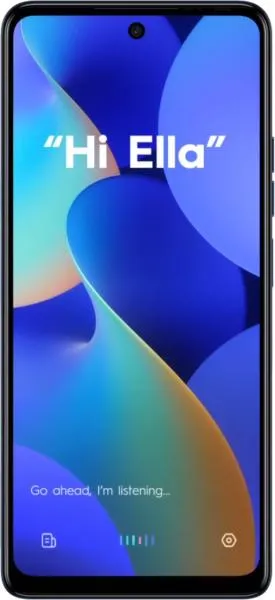
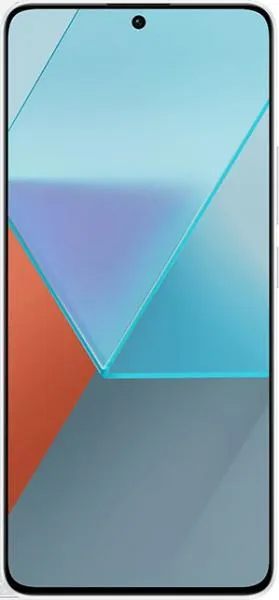
| Feature | Tecno Spark 10 Pro | Xiaomi Redmi Note 13 Pro | Practical Impact |
|---|---|---|---|
| Design | |||
| Dimensions (mm) | 168.4 x 76.2 x 8.4 | 161.2 x 74.2 x 8.0 | Redmi Note 13 Pro is slightly smaller and more compact. |
| Weight (g) | 208 | 187 | Redmi Note 13 Pro is noticeably lighter, improving one-handed use. |
| Build | Not specified | Not specified | Build quality and materials cannot be compared due to missing information. |
| Display | |||
| Display Type | IPS LCD, 90Hz | AMOLED, 120Hz | Redmi Note 13 Pro offers superior contrast, deeper blacks, and smoother scrolling with its AMOLED display and higher refresh rate. It also supports Dolby Vision for enhanced HDR content. |
| Size (inches) | 6.8 | 6.67 | Negligible difference in screen size. |
| Resolution | 1080 x 2460 | 1220 x 2712 | Redmi Note 13 Pro has a sharper display with higher pixel density (446 ppi vs 396 ppi). |
| Peak Brightness | Not specified | 1800 nits | Redmi Note 13 Pro's significantly higher peak brightness ensures better visibility in sunlight. Spark 10 Pro's brightness is unknown. |
| Performance | |||
| Chipset | Mediatek Helio G88 (12nm) | Snapdragon 7s Gen 2 (4nm) | Redmi Note 13 Pro boasts a significantly more powerful and efficient processor, resulting in smoother multitasking, faster app loading, and better gaming performance. |
| CPU | Octa-core (2x2.0 GHz A75 & 6x1.8 GHz A55) | Octa-core (4x2.4 GHz A78 & 4x1.95 GHz A55) | Redmi Note 13 Pro's CPU utilizes faster and more modern cores, resulting in a substantial performance advantage. |
| GPU | Mali-G52 MC2 | Adreno 710 | Redmi Note 13 Pro offers considerably better graphics performance, beneficial for demanding games and graphic-intensive tasks. |
| RAM | 8GB | 8GB/12GB/16GB | Redmi Note 13 Pro offers configurations with more RAM, enabling better multitasking and handling of demanding applications. |
| Camera | |||
| Main Camera | 50MP | 200MP (Samsung HP3) | Redmi Note 13 Pro has a much higher resolution sensor with larger pixel size and advanced features like pixel binning, potentially leading to significantly better image quality. |
| Video Recording | 1440p@30fps | 4K@30fps with EIS | Redmi Note 13 Pro supports higher resolution video recording with Electronic Image Stabilization (EIS) for smoother footage. |
| Battery | |||
| Capacity | 5000 mAh | 5100 mAh | Negligible difference in battery capacity. |
| Fast Charging | 18W | 67W | Redmi Note 13 Pro offers drastically faster charging speeds, minimizing downtime. |
2. Key Differences Analysis
Redmi Note 13 Pro Advantages:
- Significantly better performance: The Snapdragon 7s Gen 2 chipset, faster CPU and GPU, and larger RAM options provide a much smoother and more responsive user experience.
- Superior display: The AMOLED display with a 120Hz refresh rate offers vibrant colors, deeper blacks, and smoother scrolling compared to the Spark 10 Pro's IPS LCD. Dolby Vision support further enhances HDR content.
- Faster charging: 67W fast charging significantly reduces charging time compared to the Spark 10 Pro's 18W.
- Higher resolution main camera: The 200MP sensor with advanced features potentially delivers significantly better image quality.
- 4K video recording with EIS: Enables capturing higher quality and more stable videos.
Tecno Spark 10 Pro Advantages:
- Potentially lower price: Depending on the specific region and retailer, the Spark 10 Pro may be more affordable. However, given the substantial performance and feature differences, the Redmi Note 13 Pro likely offers better value.
3. User Profiles & Recommendations
Tecno Spark 10 Pro: Budget-conscious users who prioritize basic functionality for everyday tasks like calling, texting, and social media browsing. Users who are not concerned with high performance gaming or photography.
Xiaomi Redmi Note 13 Pro: Users who demand a smooth and responsive experience for multitasking, gaming, and media consumption. Photography enthusiasts who want a capable camera with advanced features. Users who value a vibrant and high-quality display. Users who prioritize fast charging.
4. Decision Framework
Key Questions for Buyers:
- What is your budget? The Redmi Note 13 Pro is more expensive, but likely offers better value in the long run due to its superior performance and features.
- What are your primary smartphone usage patterns? For basic tasks, the Spark 10 Pro may suffice. However, for demanding tasks like gaming or photography, the Redmi Note 13 Pro is a much better choice.
- How important are display quality and charging speed? The Redmi Note 13 Pro excels in both these areas.
My Choice: Xiaomi Redmi Note 13 Pro
The Redmi Note 13 Pro offers a significantly better overall package. While the Tecno Spark 10 Pro might be more budget-friendly, the Redmi Note 13 Pro's superior performance, display, camera, and charging capabilities make it a much more compelling device for most users. The investment in the Redmi Note 13 Pro is likely to provide a more satisfying and future-proof smartphone experience. The faster processor, smoother display, higher quality camera, and drastically quicker charging outweigh the potential price difference. The performance gap alone makes the Redmi Note 13 Pro a far more enjoyable device to use on a daily basis.
