1. Specifications Comparison
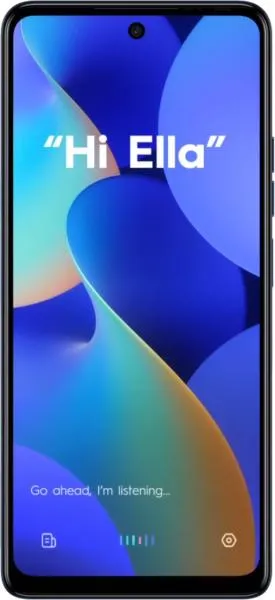
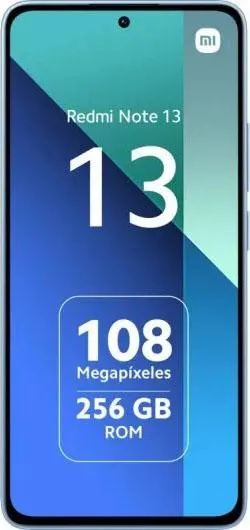
| Feature | Tecno Spark 10 Pro | Xiaomi Redmi Note 13 4G | Practical Impact |
|---|---|---|---|
| Design | |||
| Dimensions (mm) | 168.4 x 76.2 x 8.4 | 162.3 x 75.6 x 8.0 | Redmi Note 13 is slightly smaller and more compact. |
| Weight (g) | 208 | 188.5 | Redmi Note 13 is noticeably lighter, improving one-handed use. |
| Fingerprint Sensor | Side-mounted | Under-display | Preference-based; under-display feels more modern. |
| Display | |||
| Display Type | IPS LCD | AMOLED | AMOLED offers deeper blacks, vibrant colors, and better power efficiency. |
| Refresh Rate (Hz) | 90 | 120 | 120Hz provides smoother scrolling and animations. |
| Peak Brightness (nits) | Not specified | 1800 | Redmi Note 13's higher brightness ensures better outdoor visibility. Missing spec for Spark 10 Pro limits comparison. |
| Performance | |||
| Chipset | Mediatek Helio G88 (12nm) | Qualcomm Snapdragon 685 (6nm) | Snapdragon 685 generally offers better performance and efficiency due to smaller process node. |
| CPU | Octa-core (2x2.0 GHz A75 & 6x1.8 GHz A55) | Octa-core (4x2.8 GHz A73 & 4x1.9 GHz A53) | Redmi Note 13 has faster and more powerful CPU cores, leading to better multitasking and app performance. |
| GPU | Mali-G52 MC2 | Adreno 610 | Adreno 610 offers better gaming performance. |
| RAM (GB) | 8 | 8 | Both offer sufficient RAM for smooth multitasking. |
| Camera | |||
| Main Camera (MP) | 50 | 108 | Redmi Note 13's 108MP sensor potentially offers higher resolution and detail; however, megapixels alone don't guarantee image quality. |
| Selfie Camera (MP) | 32 | 16 | Spark 10 Pro has a higher resolution selfie camera. |
| Video Recording | 1440p@30fps, 1080p@30fps | 1080p@30fps | Spark 10 Pro can record at higher resolution (1440p). |
| Battery | |||
| Capacity (mAh) | 5000 | 5000 | Both have the same battery capacity. |
| Fast Charging (W) | 18 | 33 | Redmi Note 13 supports significantly faster charging. |
2. Key Differences Analysis
Tecno Spark 10 Pro Advantages:
- Higher Resolution Video Recording: Captures more detailed videos.
- Higher Resolution Selfie Camera: Potentially better for video calls and self-portraits.
Xiaomi Redmi Note 13 4G Advantages:
- Superior Display: AMOLED offers better colors, contrast, and power efficiency. Higher refresh rate (120Hz) provides smoother visuals. Higher peak brightness improves outdoor visibility.
- Better Performance: More powerful CPU and GPU for smoother multitasking and gaming. More efficient 6nm chipset.
- Faster Charging: Significantly reduces charging time.
- More Modern Design: Lighter and slightly smaller. Under-display fingerprint sensor.
Trade-offs:
- Redmi Note 13: Lower resolution selfie camera compared to Spark 10 Pro.
- Spark 10 Pro: Slower performance, less vibrant display, and slower charging compared to Redmi Note 13.
3. User Profiles & Recommendations
Tecno Spark 10 Pro: Budget-conscious users prioritizing basic tasks, casual photography, and high-resolution video recording.
Xiaomi Redmi Note 13 4G: Users seeking a well-rounded experience with a good display, performance, fast charging, and modern design. Suitable for gaming, media consumption, and multitasking.
4. Decision Framework
Key Questions:
- What is your budget? Both are mid-range, but price differences might exist.
- What are your primary use cases? (Gaming, media consumption, photography, basic tasks).
- Which features are most important to you? (Display quality, performance, battery life, camera).
Scenario-Based Recommendations:
- Heavy gamer: Redmi Note 13 due to better performance.
- Social media enthusiast: Redmi Note 13 due to superior display and camera.
- Budget-conscious user with basic needs: Tecno Spark 10 Pro.
My Choice: Xiaomi Redmi Note 13 4G
The Redmi Note 13 4G offers a significantly better overall package. The AMOLED display, faster performance (CPU/GPU and 6nm process), and quicker charging are major advantages. While the Spark 10 Pro has a higher resolution front camera and video recording capability, the Redmi Note 13's superior display, performance, and faster charging outweigh these benefits for me. The more modern design with an under-display fingerprint sensor is also appealing. In a practical sense, the day-to-day usability enhancements offered by the Redmi Note 13 would make a more noticeable difference in my user experience.
