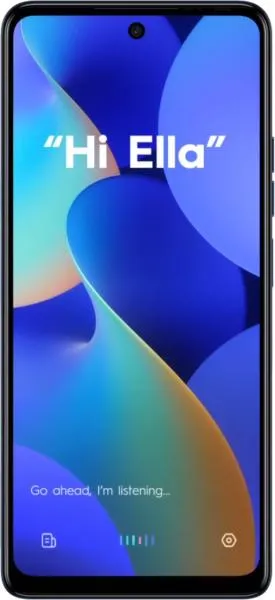
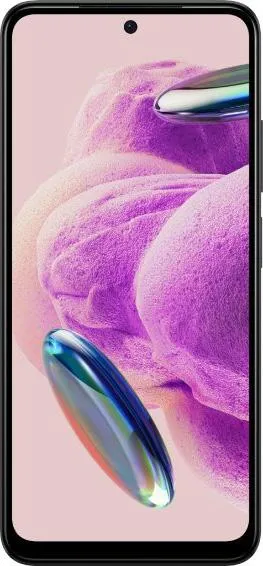
1. Specifications Comparison
| Feature | Tecno Spark 10 Pro | Xiaomi Redmi Note 12S | Practical Impact |
|---|---|---|---|
| Design | |||
| Dimensions (mm) | 168.4 x 76.2 x 8.4 | 159.9 x 73.9 x 8.1 | Redmi Note 12S is noticeably smaller and might feel more comfortable in hand. |
| Weight (g) | 208 | 176 | Redmi Note 12S is lighter, reducing hand fatigue during extended use. |
| Display | |||
| Display Type | IPS LCD, 90Hz | AMOLED, 90Hz | Redmi Note 12S's AMOLED offers deeper blacks, vibrant colors, and potentially better power efficiency. |
| Size (inches) | 6.8 | 6.43 | Spark 10 Pro provides a larger screen for media consumption but might be less pocketable. |
| Resolution | 1080 x 2460 | 1080 x 2400 | Virtually identical sharpness; minimal real-world difference. |
| Peak Brightness (nits) | Not specified | 1000 | Redmi Note 12S offers superior outdoor visibility. Missing peak brightness for Spark 10 Pro limits comparison. |
| Performance | |||
| Chipset | Mediatek Helio G88 | Mediatek Helio G96 | Helio G96 generally offers slightly better CPU and GPU performance, resulting in smoother multitasking and gaming. |
| CPU | Octa-core (2x2.0 GHz Cortex-A75 & 6x1.8 GHz Cortex-A55) | Octa-core (2x2.05 GHz Cortex-A76 & 6x2.0 GHz Cortex-A55) | Redmi Note 12S has a slightly more powerful CPU architecture. |
| GPU | Mali-G52 MC2 | Mali-G57 MC2 | Redmi Note 12S has a significantly more powerful GPU, leading to better gaming performance. |
| RAM | 8GB | 6GB/8GB | 8GB RAM on both high-end models ensures smooth multitasking. The base 6GB model of the Redmi Note 12S might show slight performance limitations with heavy multitasking. |
| Camera | |||
| Main Camera | 50MP | 108MP | Redmi Note 12S boasts higher resolution, potentially capturing more detail. However, megapixels alone don't guarantee image quality. |
| Sensor | Unspecified | Samsung S5KHM2 ISOCELL | Redmi Note 12S's known sensor allows for more informed analysis of its capabilities, but practical image quality comparison requires real-world samples. |
| Video Recording | 1440p@30fps | 1080p@30fps | Spark 10 Pro can record at a higher resolution, but Redmi Note 12S offers 120fps slow-motion, which the Spark 10 Pro lacks. |
| Battery | |||
| Capacity | 5000 mAh | 5000 mAh | Identical battery capacity suggests similar battery life, but real-world usage may vary depending on other factors. |
| Fast Charging | 18W | 33W | Redmi Note 12S charges significantly faster. |
2. Key Differences Analysis
Tecno Spark 10 Pro Advantages:
- Larger Display: Better for media consumption and gaming.
- Higher Resolution Video Recording: Captures more detail in videos.
Xiaomi Redmi Note 12S Advantages:
- AMOLED Display: Superior contrast, colors, and potentially better power efficiency.
- More Powerful Performance: Smoother multitasking and gaming due to better CPU and significantly better GPU.
- Faster Charging: Significantly reduced charging times.
- Brighter Display: Enhanced outdoor visibility.
- More established brand recognition and support
Trade-offs:
- Spark 10 Pro: Larger display for better media consumption but less pocketable; higher resolution video but lacks slow-motion capabilities.
- Redmi Note 12S: Smaller display but more pocketable; lower video resolution but offers slow-motion; potentially higher price.
3. User Profiles & Recommendations
Tecno Spark 10 Pro: Users prioritizing a large display for media consumption on a budget. Suitable for casual gaming and video watching.
Xiaomi Redmi Note 12S: Users prioritizing performance, a vibrant display, and faster charging. Suitable for mobile gaming, photography enthusiasts, and those who use their phones extensively.
4. Decision Framework
Key Questions:
- What is your budget? Compare prices for similar storage configurations.
- What is your primary use case? (e.g., media consumption, gaming, photography)
- Which display technology do you prefer? (IPS LCD vs. AMOLED)
My Choice: Xiaomi Redmi Note 12S
While the Tecno Spark 10 Pro offers a larger display and higher resolution video recording, the Xiaomi Redmi Note 12S presents a more compelling overall package. Its AMOLED display, significantly superior performance due to the better GPU, and faster charging are significant advantages for everyday use. The brighter display is crucial for outdoor readability. While I acknowledge the Spark 10 Pro's strengths, the Redmi Note 12S's advantages in key areas like performance and display quality, combined with generally better brand recognition and support, make it the better choice for me. The slightly smaller size is also preferable for one-handed use. Finally, the price difference is often negligible between comparable models.
