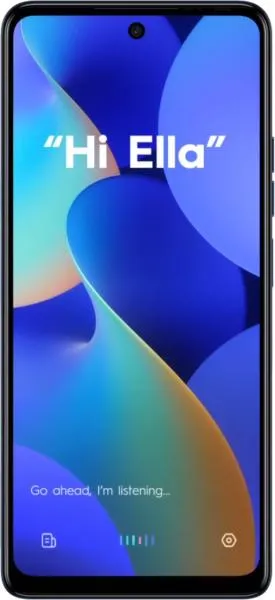
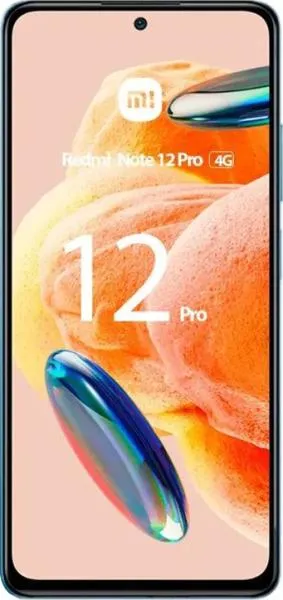
1. Specifications Comparison
| Feature | Tecno Spark 10 Pro | Xiaomi Redmi Note 12 Pro 4G | Practical Impact |
|---|---|---|---|
| Design | |||
| Dimensions (mm) | 168.4 x 76.2 x 8.4 | 164.2 x 76.1 x 8.1 | Redmi is slightly smaller and may feel more comfortable in hand. |
| Weight (g) | 208 | 201.8 | Negligible weight difference. |
| Display | |||
| Display Type | IPS LCD | AMOLED | AMOLED offers deeper blacks, vibrant colors, and potentially better power efficiency. |
| Refresh Rate (Hz) | 90 | 120 | Redmi's 120Hz display provides smoother scrolling and animations. |
| Dolby Vision | No | Yes | Redmi offers better HDR video playback quality. |
| Peak Brightness (nits) | Not specified | 1200 | Redmi's higher peak brightness ensures better visibility in sunlight. Missing spec for Spark limits comparison. |
| Performance | |||
| Chipset | Mediatek Helio G88 (12nm) | Qualcomm Snapdragon 732G (8nm) | Snapdragon 732G generally offers better performance and efficiency due to its more advanced manufacturing process. |
| CPU | Octa-core (2x2.0 GHz Cortex-A75 & 6x1.8 GHz Cortex-A55) | Octa-core (2x2.2 GHz Kryo 470 Gold & 6x1.8 GHz Kryo 470 Silver) | Redmi's CPU architecture likely delivers superior performance in demanding tasks. |
| GPU | Mali-G52 MC2 | Adreno 618 | Redmi's GPU is expected to provide a significantly better gaming experience. |
| RAM (GB) | 8 | 8 | Both phones offer ample RAM for multitasking. |
| Camera | |||
| Main Camera (MP) | 50 | 108 | Redmi boasts a higher resolution main sensor, potentially capturing more detail. |
| Sensor Type | CMOS | Samsung S5KHM2 ISOCELL | Redmi's sensor specifics suggest potentially better low-light performance. Missing details for Spark limit in-depth comparison. |
| Video Recording | 1440p@30fps | 4K@30fps | Redmi allows for higher resolution video recording. |
| Battery | |||
| Capacity (mAh) | 5000 | 5020 | Negligible difference in battery capacity. |
| Fast Charging (W) | 18 | 67 | Redmi offers significantly faster charging. |
2. Key Differences Analysis
Tecno Spark 10 Pro Advantages:
- Potentially Lower Price: While price isn't specified in the data, Tecno phones generally target a more budget-conscious market.
Xiaomi Redmi Note 12 Pro 4G Advantages:
- Superior Display: AMOLED with 120Hz refresh rate and Dolby Vision provides a more visually appealing and responsive experience.
- Significantly Better Performance: The Snapdragon 732G and Adreno 618 offer a noticeable performance advantage for gaming and demanding tasks.
- Faster Charging: 67W fast charging drastically reduces charging times.
- Higher Resolution Main Camera: 108MP sensor potentially captures more detail. More detailed sensor information suggests better overall camera performance.
3. User Profiles & Recommendations
Tecno Spark 10 Pro:
- Ideal User: Budget-conscious users prioritizing basic smartphone functionality.
- Use Cases: Casual web browsing, social media, light gaming, calling, and texting.
Xiaomi Redmi Note 12 Pro 4G:
- Ideal User: Users seeking a well-rounded phone with a great display, good performance, and fast charging.
- Use Cases: Mobile gaming, media consumption, photography, multitasking, and users who value a premium display.
4. Decision Framework
Key Questions for Buyers:
- What is your budget? The Tecno Spark 10 Pro is likely more affordable.
- What are your primary use cases? For demanding tasks, the Redmi is superior. For basic use, the Spark may suffice.
- How important is display quality? The Redmi's AMOLED display is a major differentiator.
Scenario-Based Recommendations:
- Tight Budget, Basic Use: Tecno Spark 10 Pro
- Balanced Performance and Price: Xiaomi Redmi Note 12 Pro 4G
- Prioritizing Gaming and Media: Xiaomi Redmi Note 12 Pro 4G
My Choice: Xiaomi Redmi Note 12 Pro 4G
Reasons:
The Redmi Note 12 Pro 4G offers a significantly better user experience due to its superior display, performance, and faster charging. While the Tecno Spark 10 Pro might be cheaper, the Redmi's advantages in key areas like performance, display quality, and charging speed are crucial for a satisfying long-term user experience. The improved camera capabilities, backed by specific sensor details, also contribute to making the Redmi a more compelling choice. The slightly smaller dimensions of the Redmi are also more appealing for comfortable one-handed use. Even if the Redmi comes at a price premium, the enhancements justify the investment for a more enjoyable and versatile smartphone experience.
