1. Specifications Comparison
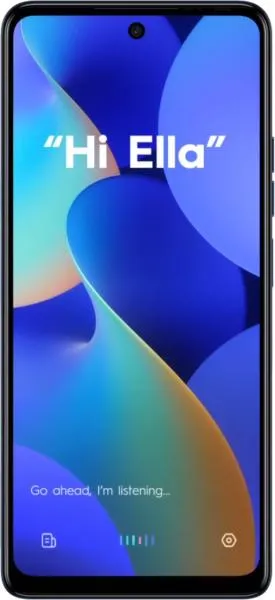
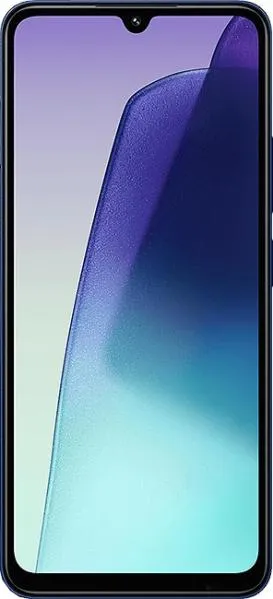
| Feature | Tecno Spark 10 Pro | Xiaomi Redmi 14C | Practical Impact |
|---|---|---|---|
| Design | |||
| Dimensions (mm) | 168.4 x 76.2 x 8.4 | 171.9 x 77.8 x 8.2 | Redmi 14C slightly larger |
| Weight (g) | 208 | 211 | Negligible weight difference |
| Build Material | Not specified | Not specified | Cannot compare build quality |
| Display | |||
| Size (inches) | 6.8 | 6.88 | Redmi 14C slightly larger |
| Resolution (pixels) | 1080 x 2460 | 720 x 1640 | Spark 10 Pro significantly sharper (396 ppi vs 260 ppi), impacting clarity of text and images |
| Refresh Rate (Hz) | 90 | 120 | Redmi 14C smoother for scrolling and animations, but may consume more battery |
| Display Type | IPS LCD | IPS LCD | Similar color accuracy and viewing angles expected |
| Performance | |||
| Chipset | Mediatek Helio G88 | Mediatek Helio G81 Ultra | Minor performance differences expected. G81 Ultra may offer marginal power efficiency improvements. |
| CPU | Octa-core (2x2.0 GHz Cortex-A75 & 6x1.8 GHz Cortex-A55) | Octa-core (2x2.0 GHz Cortex-A75 & 6x1.8 GHz Cortex-A55) | Identical CPU configuration |
| GPU | Mali-G52 MC2 | Mali-G52 MC2 | Similar graphics performance |
| RAM (GB) | 8 | 4/6/8 (Variant Dependent) | Spark 10 Pro's 8GB RAM ensures smoother multitasking compared to the base 4GB RAM of Redmi 14C. |
| OS | Android 13 | Android 14 | Redmi 14C has a newer OS version with potential feature and security updates. |
| Camera | |||
| Rear Camera (MP) | 50 + 2 + 0.3 | 50 + 0.8 | Similar main camera resolution, but Spark 10 Pro has a dedicated depth sensor for better portrait mode. Redmi 14C's secondary sensor is practically useless. |
| Front Camera (MP) | 32 | 13 | Spark 10 Pro significantly better for selfies and video calls |
| Video Recording | 1440p@30fps | 1080p@30fps | Spark 10 Pro capable of higher resolution video recording. |
| Battery | |||
| Capacity (mAh) | 5000 | 5160 | Negligible difference in battery capacity. Redmi 14C's higher refresh rate display might offset the slightly larger battery. |
| Fast Charging | 18W | 18W | Similar charging speeds |
2. Key Differences Analysis
Tecno Spark 10 Pro Advantages:
- Higher Resolution Display: Sharper visuals for a better multimedia experience.
- More RAM: Smoother multitasking and app performance.
- Better Front Camera: Superior selfie quality.
- Higher Resolution Video Recording: Ability to capture more detailed videos.
- Dedicated Depth Sensor: Potentially better portrait mode photos.
Xiaomi Redmi 14C Advantages:
- Higher Refresh Rate Display: Smoother scrolling and animations.
- Newer Android Version: Access to latest features and security updates.
- Slightly Larger Battery: Potentially longer battery life, depending on usage.
- More Color Options: Wider aesthetic choices.
3. User Profiles & Recommendations
Tecno Spark 10 Pro: Users who prioritize display quality, camera performance (especially selfies), and multitasking. Suitable for:
- Social media enthusiasts
- Mobile photographers
- Casual gamers
Xiaomi Redmi 14C: Budget-conscious users who prefer a smooth display and the latest Android features. Suitable for:
- Basic users focused on communication and web browsing
- Users sensitive to price
4. Decision Framework
Key Questions for Buyers:
- How important is display sharpness and resolution?
- Do you prioritize multitasking and overall performance or smoother animations?
- What is your budget and how important is the latest Android version?
My Choice: Tecno Spark 10 Pro
While the Redmi 14C offers a 120Hz display and newer Android version, the Spark 10 Pro's significantly sharper display, higher RAM, and superior camera setup are more compelling to me. The difference in resolution (1080p vs 720p) will have a much larger impact on daily use than the difference in refresh rate (90Hz vs 120Hz), especially considering the size of the displays. The better front-facing camera and the inclusion of a dedicated depth sensor further solidify the Spark 10 Pro as the better overall device for my needs. I value a crisp, clear display and good camera performance over a slightly smoother refresh rate and a marginally newer Android version.
