1. Specifications Comparison
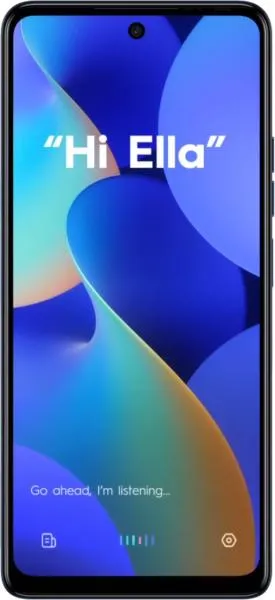
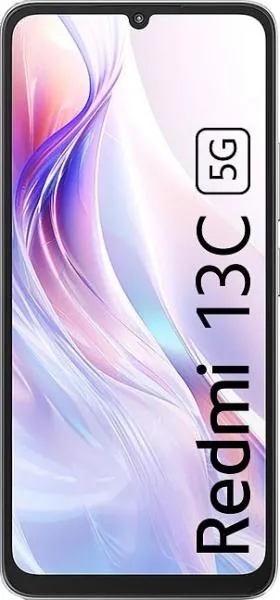
| Feature | Tecno Spark 10 Pro | Xiaomi Redmi 13C 5G | Practical Impact |
|---|---|---|---|
| Design | |||
| Dimensions (mm) | 168.4 x 76.2 x 8.4 | 168 x 78 x 8.1 | Redmi 13C is slightly wider. Negligible difference in overall size. |
| Weight (g) | 208 | 192 | Redmi 13C is noticeably lighter, improving one-handed use. |
| Display | |||
| Size (inches) | 6.8 | 6.74 | Negligible size difference. |
| Resolution (px) | 1080 x 2460 | 720 x 1600 | Spark 10 Pro has a much sharper display, resulting in clearer text and images. |
| PPI | 396 | 260 | Spark 10 Pro's significantly higher PPI results in a crisper, more detailed display. |
| Refresh Rate (Hz) | 90 | 90 | Both offer smooth scrolling and animations. |
| Display Type | IPS LCD | IPS LCD | Similar display technology, expect comparable color accuracy and viewing angles. |
| Performance | |||
| Chipset | Mediatek Helio G88 (12nm) | Mediatek Dimensity 6100+ (6nm) | Redmi 13C's 6nm chipset should offer significantly better performance and power efficiency. |
| CPU | Octa-core (2x2.0 GHz A75 & 6x1.8 GHz A55) | Octa-core (2x2.2 GHz A76 & 6x2.0 GHz A55) | Redmi 13C has a more powerful CPU architecture, leading to faster app loading and multitasking. |
| GPU | Mali-G52 MC2 | Mali-G57 MC2 | Redmi 13C boasts a more modern and capable GPU, delivering smoother gaming and graphics performance. |
| RAM (GB) | 8 | 4/6/8 (Variant Dependent) | Spark 10 Pro's reviewed variant has more RAM than the base Redmi 13C, potentially enabling better multitasking. However, Redmi offers higher RAM variants. |
| Camera | |||
| Rear Camera (MP) | 50 + 2 + 0.3 | 50 + 0.8 | Main camera resolution is similar, but Redmi 13C lacks a dedicated depth sensor. Impact on depth sensing capabilities is unclear without further testing. |
| Front Camera (MP) | 32 | 5 | Spark 10 Pro has a significantly higher resolution front camera, likely producing better selfies. |
| Video Recording | 1440p@30fps | 1080p@30fps | Spark 10 Pro can record higher resolution video. |
| Battery | |||
| Capacity (mAh) | 5000 | 5000 | Both have the same battery capacity. Real-world battery life will depend on usage and chip efficiency. |
| Fast Charging | 18W | 18W | Both offer similar charging speeds. |
2. Key Differences Analysis
Tecno Spark 10 Pro Advantages:
- Higher Resolution Display: Sharper visuals for media consumption.
- Higher Resolution Front Camera: Better quality selfies.
- Higher Resolution Video Recording: Ability to capture more detailed videos.
Xiaomi Redmi 13C 5G Advantages:
- More Powerful Processor: Smoother performance for demanding tasks and gaming.
- More Power Efficient Chipset: Potentially longer battery life.
- 5G Connectivity: Faster mobile data speeds in areas with 5G coverage.
- Lighter Weight: More comfortable for extended use.
3. User Profiles & Recommendations
Tecno Spark 10 Pro: Users who prioritize display quality and selfie camera performance, primarily for social media and content consumption. Budget-conscious users who don't need 5G.
Xiaomi Redmi 13C 5G: Users who value performance, future-proofing with 5G, and all-around smoother user experience. Best for gaming, multitasking, and areas with 5G coverage.
4. Decision Framework
Key Questions for Buyers:
- Is 5G connectivity essential? If yes, Redmi 13C is the only option.
- Which is more important: display sharpness or overall performance? Spark 10 Pro excels in display, Redmi 13C in performance.
- What is your budget and which variant offers the best value? Consider RAM and storage options for each phone within your budget.
My Choice: Xiaomi Redmi 13C 5G
While the Spark 10 Pro has a beautiful display and a great selfie camera, the Redmi 13C 5G's superior performance, power efficiency due to the 6nm architecture, and 5G connectivity make it a more compelling choice for long-term use. The lighter weight is a bonus. Even if choosing the base 4GB RAM variant, the significantly more powerful processor of the Redmi 13C 5G will provide a noticeable improvement in daily use compared to the Spark 10 Pro. The performance difference will likely outweigh the benefits of the Spark's higher resolution display in practical usage.
